The Rohingya: How the IRC is Helping Myanmar
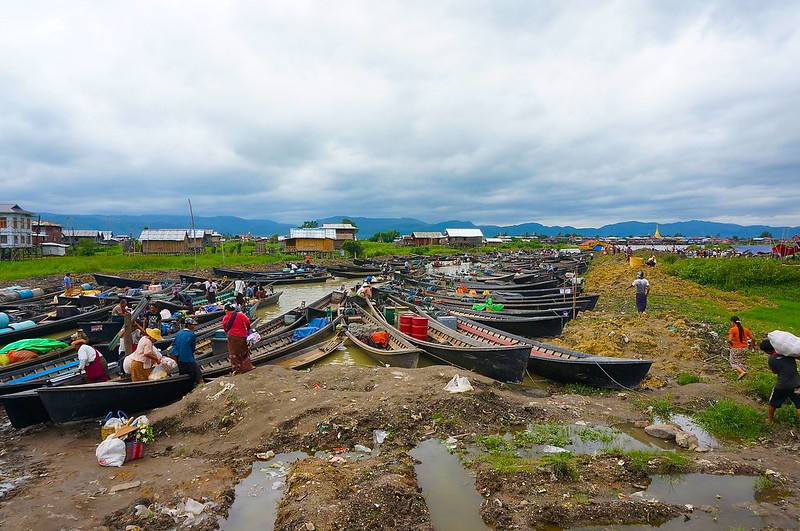 Since the 2021 military coup, Myanmar, especially the Rohingya has faced severe restrictions on freedoms of speech and assembly and has witnessed mass killings, arbitrary arrests, torture, sexual violence and other crimes against humanity. Currently, more than 2.7 million citizens are internally displaced, with more than 2.3 million of those displaced since the coup. Additionally, 15 million people face food insecurity. In total, 18.6 million people across Myanmar struggle to meet basic needs. This crisis is the latest in nearly half a century of military control, extreme poverty and natural disasters that have plagued the country.
Deterioration of Public Services and Infrastructure
The military junta in Myanmar has deteriorated living conditions, increased food insecurity and obstructed humanitarian aid, resulting in the collapse of health care and public services in conflict-ridden regions. Conflict often disrupts communication and blocks transport routes, enforcing martial law in most parts of the country. Myanmar suffers from significant infrastructure damage, including prolonged communication and electricity blackouts. With a severe shortage of health care workers, many facilities are shut down. This leaves a large number of the 2.7 million internally displaced who reside in rural areas to take lengthy journeys to access basic and critical health care.
Intensifying Conflict and Climate Challenges
Violence escalated in Oct. 2023 when multiple nonstate groups attacked Myanmar’s central government in the Northern Shan State. Since then, the fighting has spread across the country, jeopardizing civilian safety. Poverty and inflation continue to worsen as Myanmar faces ongoing climate shocks to its agriculture sector. Cyclone Mocha in 2023 damaged crops and food production, affecting the livelihoods of more than 3.4 million people. Now, with the impact of El Niño, including erratic rainfall and high temperatures, the already stressed agriculture sector faces further challenges.
The Rohingya in Myanmar
The Rohingya people, a predominantly Muslim ethnic group of about 1.1 million, have resided in Buddhist-majority Myanmar for centuries but remain among the most vulnerable groups. Myanmar does not recognize the Rohingya as one of its 135 official ethnic groups and has denied them citizenship since 1982, rendering them stateless. Most Rohingya reside in Rakhine State, where they cannot leave without government permission. They live in one of the country’s poorest states, confined to ghetto-like camps with limited access to basic public services and opportunities.
When Myanmar gained independence from Great Britain in 1948, it enacted the Union Citizenship Act, which identified 135 ethnic groups eligible for citizenship. Although the Rohingya were omitted, families residing in Myanmar for two generations could apply for identity cards and, in some instances, citizenship. Following the first military coup in 1962, the government restricted Rohingyas from carrying foreign identity cards, severely limiting their access to employment and educational opportunities. A 1982 law further exacerbated their plight by officially declaring the Rohingya stateless.
Persecution and Exodus of the Rohingya
Rohingya people have been fleeing Myanmar since the ‘70s due to “government crackdowns,” which often include rape, torture, arson and murder, but many families remain in the country. Currently, much of the internal violence targets the Rohingya, who are often unfairly blamed by the government for violent acts carried out by nonstate groups. Accusations of ethnic cleansing against the Rohingya by the government persist, which the government denies. Residents and activists report troops firing unprovoked at unarmed Rohingya men, women and children.
In 2018, the Associated Press released a video showing a massacre and five undisclosed mass graves of Rohingya people in Myanmar. Due to ongoing violence and persecution, not only by the junta military but also by past government powers, hundreds of thousands of Rohingya have fled to neighboring countries such as Bangladesh. Recently, tens of thousands of Rohingya refugees in Bangladesh have started protesting, calling for an end to the violence and persecution in Myanmar.
Advocacy and Aid: The IRC’s Role
Communities rely on humanitarian aid and community networks for social services such as health care and education. The International Rescue Committee (IRC) is helping Myanmar by responding to the needs of the current coup, but the nongovernmental organization has been working in the country for far longer. In 2008, the IRC entered Myanmar after Cyclone Nargis for emergency response and recovery efforts. It has since stayed in the country and expanded to programs focused on improving health, protection, water, sanitation, hygiene, career training and support for community development projects.
The organization runs shelter programs for internally displaced and crisis-affected communities, significantly expanding since the 2021 coup. Currently, the IRC is particularly focused on supporting those affected by the escalating conflict, marginalized communities and individuals displaced before 2021. It emphasizes partnerships with local organizations to deliver support effectively and also operates in Bangladesh, where hundreds of thousands of Rohingya refugees from Myanmar have sought refuge.
Community Support and Developing Local Capabilities
The IRC is helping Myanmar to recover from ongoing conflict and natural disasters, focusing on the most remote areas, including Rakhine, Chin and Shan States. Across these regions, the IRC trains community health workers, supports mobile health clinics and partners with local communities to enhance access to clean drinking water, improve sanitation and prevent disease. It also educates farmers on modern agricultural techniques and technology, empowers communities to identify their own needs and develops unique recovery plans. Furthermore, the IRC operates skills training and support centers specifically for women and girls and manages nine refugee camps along the Thailand border, which provide shelter to nearly 140,000 refugees.
Looking Ahead
As conflict and displacement continue to escalate in Myanmar, the need for humanitarian assistance remains critical. Organizations like the IRC are working to address the urgent needs of displaced populations by providing health care, clean water and shelter. Their focus on local partnerships and community empowerment has helped deliver essential services to remote areas most affected by violence and natural disasters. With continued efforts, these ongoing initiatives aim to improve the lives of those impacted by ongoing conflict and instability.
– Anna Thibodeau
Anna is based in Omaha, NE, USA and focuses on Good News and Politics for The Borgen Project.
Photo: Flickr
