The Impact of AI on Agriculture in Kenya and Nigeria
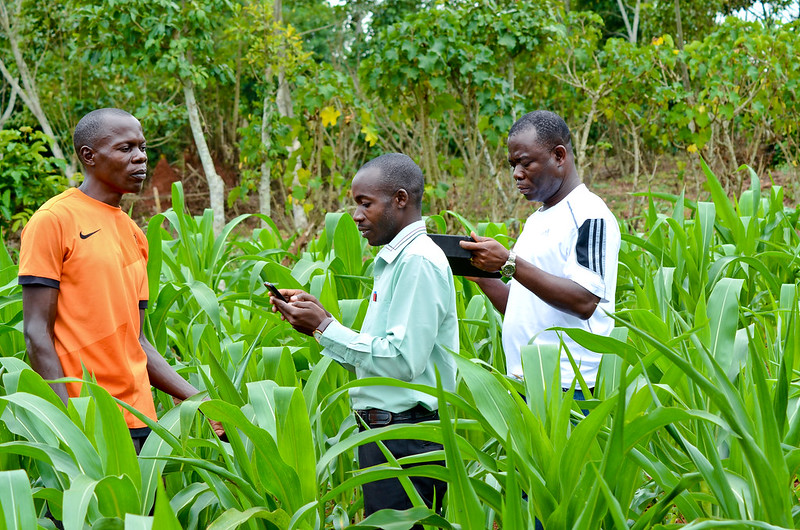 Artificial intelligence (AI) holds considerable promise for redefining agriculture in Kenya and Nigeria, two of Africa’s leading tech hubs. Recent estimates suggest AI could markedly improve Africa’s economy, potentially adding up to $2.9 trillion by 2030. In 2023, African tech startups attracted approximately $4 billion in investments, with Kenya’s AI sector receiving $15 million and Nigeria’s $2.9 million, making them two of the leading recipients. A substantial portion of these funds is being directed to the agricultural sector.
Kenya
Kenya, with a population of about 55 million, has enjoyed relative economic and political stability recently, with a projected growth rate of 5.2% from 2024 to 2026. Despite these positivities, the country faces ongoing issues such as poverty, inequality and natural disasters.
Agriculture, which employs more than 40% of Kenya’s workforce and contributes 33% to GDP, is central to the economy. Smallholder farmers, making up more than 70% of the farming population, are essential for both economic stability and food supply. However, farmers battle unpredictable weather, limited access to information and insufficient resources to cope with the effects of natural disasters.
In 2023, approximately 4.4 million Kenyans experienced severe food insecurity, reflecting the sector’s difficulties with financing, quality inputs and crucial information such as weather forecasts and market prices, according to the 2024 GSMA report.
Nigeria
Nigeria, Africa’s most populous nation with more than 220 million people, is experiencing rapid growth at an annual rate of more than 2.6%. Despite this, the nation faces substantial economic and social challenges, including stagnant GDP per capita, high poverty rates, and inadequate infrastructure. Agriculture, which employs 40% of the workforce and contributes 24% to GDP, is critical to the economy, yet only 35% of arable land is actively farmed.
Nigerian farmers deal with erratic weather, security issues, poor infrastructure as well as problems like poor seeds, labour shortages, and the loss of farmland to urbanisation, according to ICT Works.
In July 2023, Nigeria declared a food insecurity emergency, forecasting that 26.5 million people could face acute hunger in 2024 due to frequent droughts and floods impacting food production.
The Impact of AI on Agriculture in Kenya
Launched in 2023, Digital Green’s Farmer Chat improves farming advice by offering personalized support to extension workers. It uses information from videos, call logs and factsheets to provide real-time assistance, having already sent more than 134,000 messages in Swahili and English, according to the 2024 GSMA report. Plans are underway to expand its coverage to more crops and regions.
Founded in 2023, Amini addresses the lack of environmental data – such as soil quality and rainfall patterns – which the World Bank identified in 2022. Amino’s platform uses AI and satellite technology for crop monitoring, yield predictions and risk assessments.
Partnering with TensorFlow technology, PlantVillage U.S. nonprofit has developed an AI-powered app to identify plant diseases. The app detects issues on plant leaves such as and recognizes patterns indicating disease outbreaks, helping to combat the 33% crop loss Kenyan farmers face each year due to pests and diseases. The app has attracted more than 10,000 users, who have reported an average 40% increase in crop yields.
The Impact of AI on Agriculture in Nigeria
Crop2Cash offers FarmAdvice, a hotline that gives farming advice via a toll-free number. Since its launch in July 2024, FarmAdvice has provided personalized recommendations in local languages to more than 500,000 farmers across 13 states, helping them increase their incomes and crop yields, according to the 2024 GSMA report.
AirSmart provides AI-driven solutions by collecting and analyzing data from drones, satellites, soil sensors and loT devices. The insights help manage water, fertilizer, and pesticide usage, predict yields and offer data-driven farm management recommendations, according to ICT Works.
The World Food Program (WFP) has developed a predictive model that forecasts food shortages up to 30 days in advance, according to the 2024 GSMA report. By looking at past food consumption data alongside market prices and weather conditions, this tool helps provide early warnings of potential food shortages.
Staying on Track
The impact of AI on agriculture is already being felt in Kenya and Nigeria, but keeping an eye on persistent issues is essential to fully realize its potential. AI is advancing especially in data-driven advisory and financial services, but the high costs of precision tools like loT sensors and drones are problematic. Making these technologies more accessible is important for maximizing the impact of AI on agriculture. While generative AI could assist farmers with low literacy or disabilities, improving digital literacy and ensuring AI services are accessible on affordable mobile devices will enable wider adoption of new agricultural practices among smallholder farmers.
– Georgia O’Keeffe
Georgia is based in Wiltshire, UK and focuses on Technology and Politics for The Borgen Project.
Photo: Flickr
