ARIDA: Tackling Childhood Pneumonia
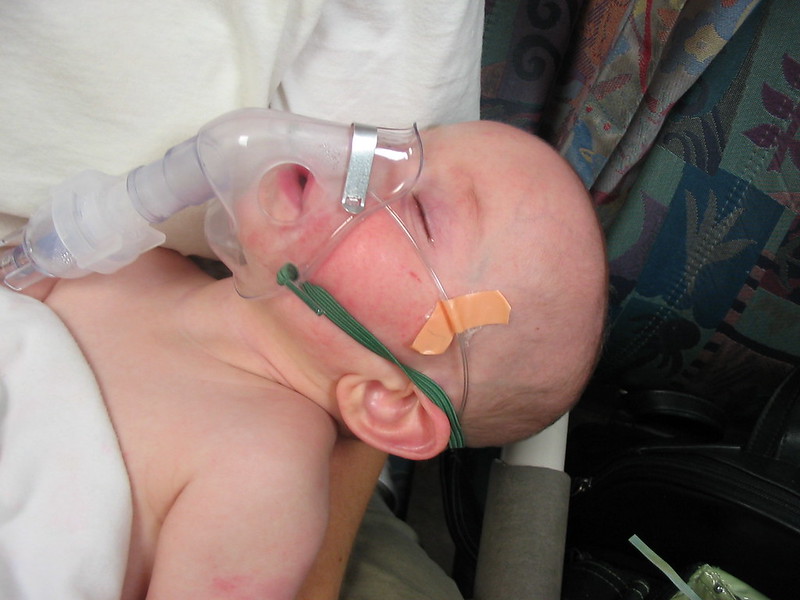 The World Health Organization (WHO) identifies pneumonia as the leading cause of mortality among children under five, attributing more than 700,000 child deaths to the disease in 2019. Consistently, UNICEF estimates that pneumonia annually claims the lives of 800,000 children under five worldwide, marking it as the top cause of child morbidity from infectious diseases globally. Pneumonia can be contracted through various agents, including viruses, bacteria or fungi. It affects the lungs, specifically the alveoli—small sacs where air exchange occurs. Normally, these sacs expand with air when inhaling. In cases of pneumonia, the alveoli fill with fluid or pus, making breathing painful and limiting the ability to take deep breaths.
Typical Barriers to Treating Pneumonia
Pneumonia is often misdiagnosed as a disease like malaria or tuberculosis, complicating early detection efforts. The WHO reports that in remote areas with limited health facilities, health workers rely on manual counts of respiratory rates (RR) to diagnose pneumonia. However, manually counting a child’s breaths is challenging and subjective, with variations in what different health workers consider a single breath. This inconsistency makes it difficult to obtain an accurate RR, hindering effective diagnosis.
ARIDA
In 2014, UNICEF launched the Acute Respiratory Infection Diagnostic Aid (ARIDA) program to develop technology that would enable health workers to diagnose pneumonia more accurately. This initiative introduced two new devices: the Philips ChARM, which stands for Children’s Automatic Respiratory Monitor and the Masimo Rad G, both designed to improve the assessment of respiratory rates in children.
The Philips ChARM, priced at $44 per unit, automatically counts a child’s respiratory rate when strapped around the torso, designed for use while the child lies horizontally. The Masimo Rad G, costing $250 per unit, uses a clip-like monitor attached to the child’s finger to calculate respiratory rate and simultaneously measure blood oxygen levels. Using devices to calculate respiratory rates has enabled health workers to adhere more closely to WHO guidelines for diagnosing pneumonia quickly and accurately. More than one million children gained access to life-saving antibiotic treatments due to the ARIDA devices and an additional 300,000 received enhanced care services.
The Future of ARIDA
The trials of the ARIDA devices took place in Bolivia, Nepal and Ethiopia from 2017 to 2019, significantly advancing Ethiopia’s health goals for women and children. These ongoing efforts are part of a broader commitment to the Global Action Plan for Pneumonia and Diarrhoea, aiming to eliminate all treatable pneumonia and diarrhea-related deaths by 2025. The plan includes expanding the range of ARIDA products available for government purchase. However, the scaling of ARIDA products faces challenges such as unit costs, though countries may offset these costs through funding from UNICEF’s development partners. This initiative also supports the United Nations (U.N.) goal to end preventable deaths of newborns and children under five by 2030.
Looking Ahead
The ARIDA initiative has made significant strides in diagnosing and treating pneumonia, particularly in remote areas. Trials in Bolivia, Nepal and Ethiopia have already enabled more than a million children to access life-saving treatments. Despite cost challenges, the expansion of ARIDA products aligns with global health goals, aiming to reduce child mortality rates and improve health care outcomes by 2030.
– Naomi Finapiri
Naomi is based in London, UK and focuses on Good News and Global Health for The Borgen Project.
Photo: Flickr
