The Traditional Midwives of Ecuador
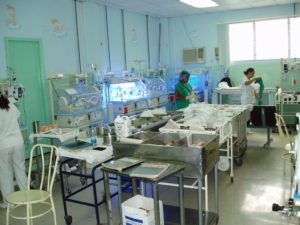 In the Amazonian regions of Ecuador, traditional midwives receive formal medical training and modern equipment to overcome the challenges posed by geographic isolation in rural communities. This integration of ancestral knowledge with contemporary medical practices enhances prenatal care, boosting the midwives’ abilities and encouraging rural residents to seek medical assistance when needed.
Geographical and Economic Challenges
The geographic isolation of rural areas in Ecuador often makes it difficult for residents to access hospitals. Approximately 36% of Ecuadorians, more than 6 million people, reside in these rural regions where 43% live below the poverty line. These areas are notably underserved, with 86% of public and 96% of private medical practices located in urban areas. Consequently, many pregnant women in these rural areas lack access to formal medical assistance during pregnancy.
The Role of Traditional Midwives in Prenatal Care
Traditional midwives in Ecuador, notably the Kichwa women in the Archidona region, are crucial for prenatal care and childbirth. Many inhabitants of the Ecuadorian Amazon lack formal education, with a 6% illiteracy rate among the rural population, which may limit their awareness of modern medical practices. By integrating traditional and modern medical approaches, this strategy can potentially alleviate skepticism about vital care and encourage more Ecuadorians to seek formal medical services, ultimately aiming to lower maternal and newborn mortality rates.
Empowering Midwives through AMUKAPIN
Despite the cultural significance of their services, Ecuador’s traditional midwives have observed a lack of recognition and inequality in the formal health care system. To address these ongoing challenges, these women established the Association of Kichwa Midwives of the Upper Napo (AMUKAPIN). Mamma Ofelia, the association’s president, has stated that they are often dismissed as “silly women” rather than acknowledged as legitimate caregivers. In the Archidona region of the Amazon, where 30% of deliveries occur at home, the necessity of these midwives is evident, as many women lack hospital access. The establishment of AMUKAPIN has started to garner recognition for its essential role in providing health care in rural Ecuadorian communities.
Training and Recognition by Health Organizations
Since 2021, the Pan American Health Organization (PAHO) has been enhancing the skills of Ecuador’s traditional midwives to boost prenatal care in the country’s most remote areas. Recognizing that midwives understand the risk factors for birth complications, PAHO has supplemented their traditional methods with medical knowledge and equipment. This initiative equips them with tools like stethoscopes and precise measuring tapes, enhancing their ability to monitor pregnancies while respecting cultural practices. Bremen De Mucio, PAHO’s Regional Advisor on Maternal Health, emphasizes the importance of trust and the integration of modern medical practices with traditional methods, which has proven successful in bridging the gap between traditional and modern health care in Ecuador.
Emergency Response and Cultural Integration
The women of AMUKAPIN, an organization of Amazonian midwives, have embraced cooperation with formal medical institutions. In cases of emergency or severe pregnancy complications, these midwives now organize ambulance services to transport mothers to hospitals. This improved response stems from their enhanced medical knowledge and a recognition of the importance of professional care in critical situations.
The integration of traditional and modern medical practices has brought numerous advantages to Ecuador’s rural communities. Previously, the contentious relationship between these two approaches often left patients confused and skeptical, sometimes deterring them from seeking necessary hospital care. The blending of these practices has lessened these issues, particularly for those in remote areas, fostering greater trust in the nation’s medical services. In Otovalo, traditional midwives can now accompany mothers into delivery rooms, enhancing their comfort and encouraging more hospital births, which could lead to lower maternal and infant mortality rates in Ecuador.
Looking Ahead
The integration of traditional and modern medical practices in Ecuador’s Amazonian regions has significantly improved prenatal care. This collaboration not only enhances the skills of traditional midwives but also fosters greater trust in formal medical services among rural residents. With continued support and training, these ongoing initiatives aim to reduce maternal and infant mortality rates, ensuring better health care outcomes for Ecuador’s remote communities.
– Ben Kane
Ben is based in London, UK and focuses on Global Health for The Borgen Project.
Photo: Flickr
