The Relationship Between Waste Management and Poverty
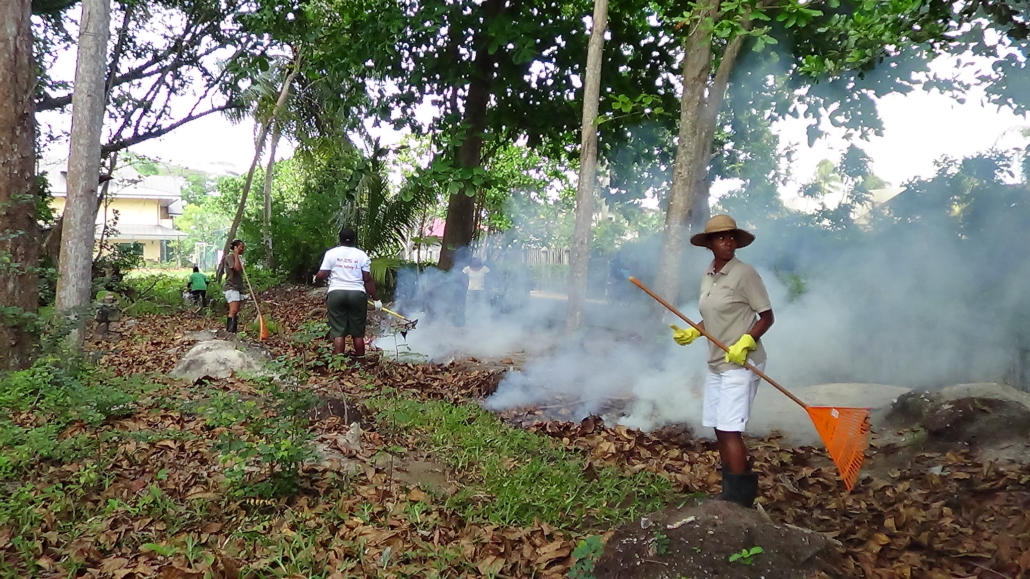 Several factors contribute to keeping communities around the world in poverty. Even waste management can be one of these contributing factors.
Understanding the link between waste management and poverty is essential for addressing global sanitation issues and improving living conditions. When exploring the relationship between waste management and poverty, it becomes clear that inadequate systems disproportionately affect impoverished communities. Delve into how waste management impacts these areas and what actions can mitigate its effects.
Health Implications of Poor Waste Management
Inadequate waste management has severe health repercussions for impoverished communities. Poorly managed waste leads to the proliferation of disease vectors such as rodents and insects. These pests spread illnesses, contributing to high morbidity and mortality rates. For example, deficiencies in India’s waste management systems are contributing to tuberculosis cases for residents near landfills.
Moreover, open dumpsites release harmful toxins and pollutants into the air and water, exacerbating respiratory and gastrointestinal illnesses. According to the World Health Organization (WHO), exposure to improperly managed waste, including medical waste, significantly increases the risk of infectious diseases in vulnerable populations.
Economic Burden of Ineffective Waste Systems
Communities struggling with poverty often face an economic burden due to ineffective waste management systems. The costs associated with healthcare for waste-related illnesses can be overwhelming for families already living below the poverty line. Additionally, inadequate waste disposal infrastructure can hinder economic development by making areas unattractive for investment and tourism. For instance, comprehensive liquid waste management requires different types of sewer pipes, some of which might be unaffordable for impoverished regions. The lack of proper sewer systems can lead to environmental contamination, further degrading the quality of life and economic prospects.
Differences in Liquid and Solid Waste Management
The management of liquid and solid waste presents unique challenges for impoverished communities. Liquid waste, such as sewage and industrial effluents, requires advanced infrastructure, such as sewage treatment plants. In contrast, solid waste management involves the collection, transportation and disposal of household and commercial garbage. Impoverished areas frequently lack access to these necessary facilities and resources. Consequently, liquid waste often contaminates water sources, while solid waste accumulates in public spaces, posing significant health hazards. Addressing these disparities is crucial for improving overall waste management practices.
Community-Based Waste Management Solutions
Community-based solutions offer hope for mitigating waste management issues in impoverished areas. Local initiatives focusing on recycling, composting and waste segregation can significantly reduce the volume of waste requiring disposal. Education and awareness campaigns can empower communities to adopt sustainable practices and hold authorities accountable for maintaining proper waste management systems.
Moreover, partnerships with non-governmental organizations (NGOs) and international bodies can bring much-needed resources and expertise to implement effective waste management strategies. For example, the Global Alliance for Incinerator Alternatives (GAIA) has been instrumental in promoting zero-waste solutions in low-income communities.
Since 2002, the GAIA has connected communities striving towards policy change in 90 different countries. GAIA has contributed 2.6 million annually to member organizations focused on zero-waste. This organization continues to grow its impact.
The relationship between waste management and poverty is complex but undeniable. Poor waste management exacerbates health risks, imposes economic burdens, and highlights the stark disparities in infrastructure between affluent and impoverished regions. However, community-based initiatives and international cooperation offer promising avenues for addressing these challenges. By understanding and addressing the relationship between waste management and poverty, we can take significant steps toward creating healthier, more sustainable environments for all.
– Kelly Schoessling
Kelly focuses on Global Health and Technology and Solutions for The Borgen Project.
Photo: Flickr
