CIRCLE Alliance: Increasing Circular Plastic Economies
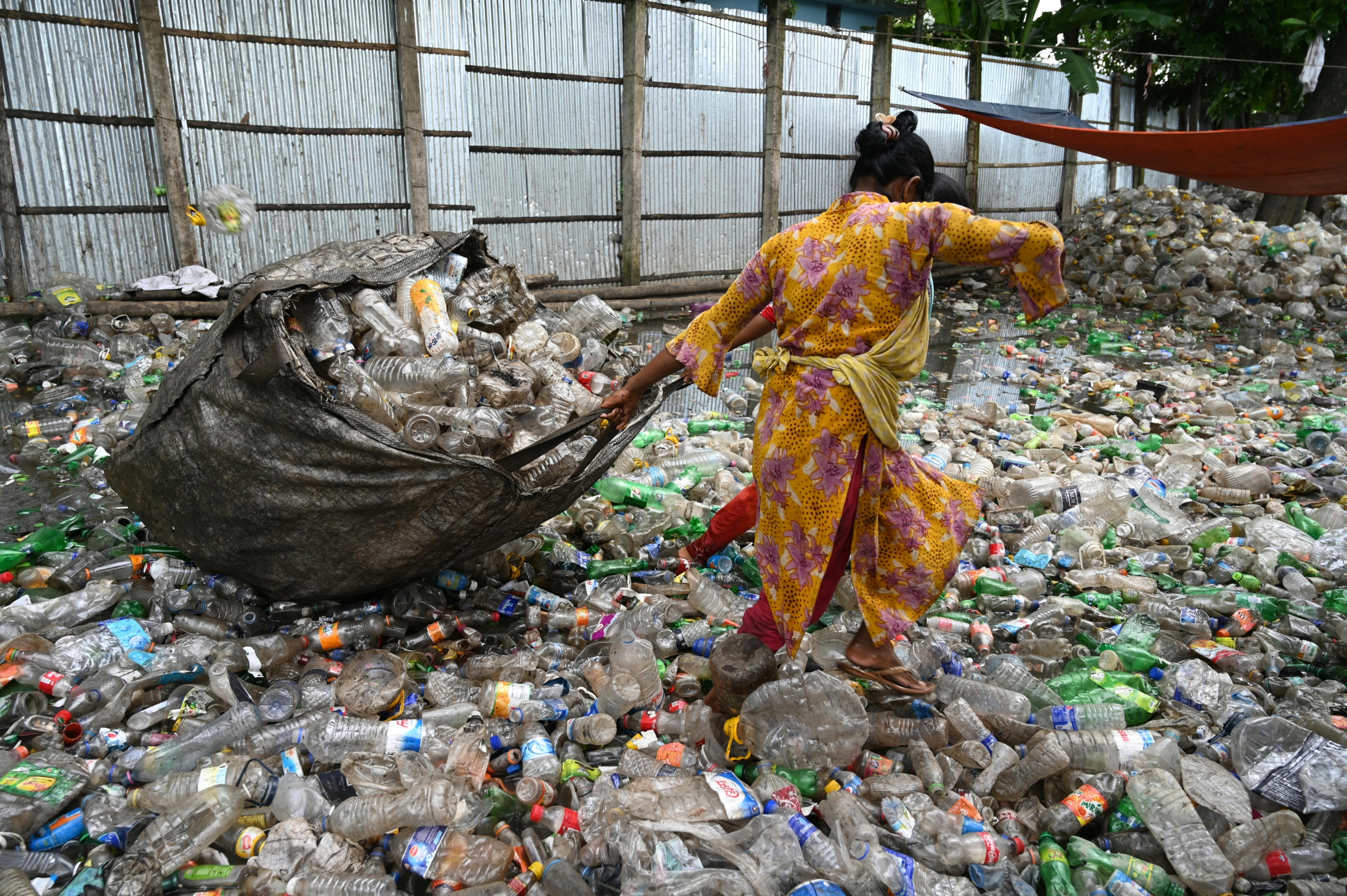 June 6, 2024, marked the launch of the new CIRCLE Alliance collaboration. The public company Unilever, the United States Agency for International Development (USAID) and the private organization Ernst and Young (EY) have all partnered to create the CIRCLE Alliance. These organizations are working with entrepreneurs and small businesses that are already established in the plastic waste sector.
They aim to find solutions to scale the work already being done through their $21 million investment. Through this and by focusing on increasing circular plastics economies, CIRCLE will work to reduce the use and waste of plastic products. CIRCLE’s initial plan is to launch projects in four key countries: India, Indonesia, Vietnam and the Philippines. Within these countries, CIRCLE will focus efforts on those who already perform most of the collection and disposal of waste – women.
Plastic in CIRCLE’s Key Countries
- India produces the most plastic waste in the world, behind the United States (U.S.) and the European Union (EU), with 26,000 tons generated daily. It is also the leader in polymer production, the substance used to create plastic.
- Indonesia generates just more than 21,000 tons of plastic waste daily. Most of the waste comes from rural locations without proper waste management systems. Most of the waste ends up in waterways, floating down rivers. Only 17% of the waste that makes it into rivers either washes up or is removed.
- Vietnam’s recent economic growth contributes to the plastic waste problem. The nation produces almost 8,500 tons of plastic waste daily and if it continues on its current path, this amount is projected to double by 2030.
- The Philippines produces just less than 8,000 tons of plastic waste daily and the country’s coastlines are suffering. Much of the country’s economy is based on coastal work—fishing, tourism and shipping. With 20% of all plastic waste finding its way to the ocean, these industries are being impacted.
What Are Circular Plastic Economies?
In circular plastic economies, plastic waste is reduced by finding solutions to recycle and reuse plastic products that are currently being thrown away. Plastic, a material used globally, is estimated to double in production in the next 20 years. We are creating and producing new plastics daily and therein lies the problem. The world currently creates more plastic than is recycled for reuse. Currently, 84% of all plastic created is disposed of in landfills, fires or the ocean.
Globally, plastics are mostly operating in a “linear take-make-waste model,” a term coined by the Ellen MacArthur Foundation, a leader in circular economy creation and research. With the introduction of circular plastic economies, the economic value of production is recouped. Additionally, the material does not find its way into the environment.
CIRCLE Alliance’s Investment in Entrepreneurs
CIRCLE Alliance has already shown its dedication to the cause and displayed how circular plastic economies promote poverty reduction. In the Philippines, for example, lives Riza Santoyo. Her inspiring story starts with a self-funded waste-collecting business in her small town. She used the resources available to her to collect waste, making about $2 a day. CIRCLE Alliance’s investment in equipment for Santoyo allowed her to increase not only her efficiency and productivity in waste collection but also her income. The efforts that the CIRCLE Alliance is making in these key countries are at the intersection of sustainability and poverty reduction.
Expand Producer Responsibility
Another initiative to increase circular plastic economies is to expand producers’ and companies’ responsibility for the aftermath of their products. To combat the myth that single-use plastic is the most cost-effective method, USAID, EY and Unilever are working to promote systems of use called Extended Producer Responsibility (EPR Systems). These systems flip the responsibility of waste removal from the consumer to the producer. It forces the producer to evaluate the true cost of their single-use product. This has encouraged companies to make their plastic recyclable and to think of solutions outside of plastic for their products.
– Carlee Unger
Carlee is based in Pembroke, NC, USA and focuses on Global Health and Politics for The Borgen Project.
Photo: Pexels
