Unveiling the Realities of Elderly Poverty in Jamaica
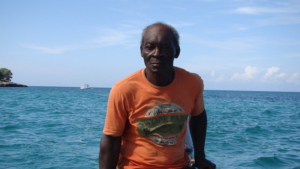 Among the vibrant rhythms of reggae music, the serene sound of the Caribbeans’ turquoise water lapping at Jamaica’s shores, lies the harsh reality of elderly poverty. Behind a picturesque view of the island lives a significant portion of Jamaica’s elderly population, grappling with economic hardship, often unseen and overlooked.
Elderly Poverty in Jamaica
Despite Jamaica’s strides in economic development and poverty reduction, elderly poverty in Jamaica remains a pressing issue. The Planning Institute of Jamaica states more than 18% of Jamaicans older than 60 live below the poverty line. Unveiling this silent crisis affecting Jamaica’s elderly in their twilight years, the statistic reveals how vulnerable and marginalized these senior citizens are.
There is not a singular root cause of the prevalence of elderly poverty in Jamaica. Several factors contribute to its pervasiveness: pension insecurity, limited access to health care and high unemployment rates among older adults. Moreover, Jamaican senior citizens lack the familial support required to have a safety net in times of need. This is due to either familial breakdowns or migration of younger generations.
Hearing from the Elderly
Basil Parchment, 74, was regularly sighted sitting on the side of the road in St. Catherine, Jamaica. Upon The Gleaner, a Jamaican magazine approached him, he explained that the people of the house he was caretaking kicked him out without even a dollar in compensation for his eight years of working for them. Parchment went on to express that the side of the road he sat at was a spot he would often frequent upon taking breaks from work. That side of the road was all he had to call home. Parchment even explained that real poverty is when going to the doctor is impossible and that catching a sickness turns into living with it. He even confided that he has a family who does not bother to support or check up on him.
Many Jamaican families care for their elderly at home. However, while the cost of living increases, salaries remain constant and unemployment increases, younger generations search for opportunities abroad. This may result in further challenges for the elderly in Jamaica moving forward.
Taking Action
Notable achievements have been made due to the implementation of the Madrid International Plan of Action on Ageing. The plan includes revising national policies for senior citizens creating a responsive framework that acknowledges and facilitates the enjoyment of human rights by older citizens. The establishment of a non-contributory social pension for persons 75 years and older allows senior citizens to live productively and free of any stress and anxieties included with financial status. A national health promotion campaign called “Jamaica Moves” to prevent and reduce non-communicable diseases for the elderly and the pensionable age adjusted to 65 years for both men and women which focuses on preventing rather than treating, allowing elderly Jamaicans access to the healthcare they require.
Elderly poverty remains an issue in Jamaica. However, the Jamaican government has implemented new strategies and succeeded in the decline of elderly poverty. With further awareness and the attention of policymakers, a rapid decrease in elderly poverty rates in Jamaica can be achieved.
– Rika Mokal
Rika is based in London, UK and focuses on Global Health for The Borgen Project.
Photo: Flickr
