Traditional Health Systems Combatting Poverty
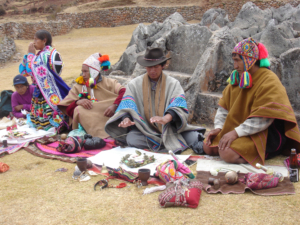 Different conventional systems exist worldwide, from herbal and Indigenous traditional medicine to acupuncture and naturopathy. Traditional Health Systems (THS) are defined by the World Health Organization (WHO) as the “sum total of the knowledge, skill and practices based on the theories, beliefs and experiences indigenous to different cultures, whether explicable or not, used in the maintenance of health as well as in the prevention, diagnosis, improvement or treatment of physical and mental illness.”
Despite their global prevalence and influence on Western medicine, THS has constantly been ignored and uncredited by government-recognized health systems in the era of globalization. However, with escalating health care costs, chronic pain and illness and lack of opportunity for thorough examinations and one-to-one medical attention, interest in traditional health systems and their integration into primary health care has had a resurgence as an innovative path towards poverty reduction and increased affordable public health.
Health Promotion and Poverty Reduction
There is no question that poverty and ill health are mutually reinforcing forces. Two kinds of poverty exist: Expense-induced poverty and income-induced poverty. The former is caused by sudden events such as diseases or medical emergencies. Moreover, “catastrophic health expenditure” refers to health care costs exceeding a certain percentage of a household’s income. Therefore, the risk of ailment involves much uncertainty, which can negatively impact capital.
Roughly half of the population in developing countries lacks adequate access to public health services. Despite this shortfall, many nations have rich traditions of indigenous medicine deeply intertwined with their history and culture. In regions where conventional health care is scarce, local traditional medicine often serves as a primary form of health care, highlighting its enduring cultural and social significance in addressing community health needs. THS, therefore, brings a ray of hope filled with indigenous knowledge and traditional ways of life to rural populations and low-income peoples across the globe.
Bringing Traditional Health Systems Back to the Forefront
While the Modern Western medicine (MWM) approach is rooted in pure scientific inquiry and evidence, focusing on treating the symptoms of a disease, THS tends to have a more holistic, integrative understanding of the body. It encapsulates knowledge, practices and beliefs acquired over generations to prevent, diagnose and treat physical and mental illness.
Fortunately, with traditional health medicines prevalent in most countries, the WHO has acknowledged their importance and groundbreaking potential contribution to enhancing modern health practices and systems. According to WHO’s Traditional Medicine Strategy Report (2014-2023), the integration of THS can help pave the way to achieve groundbreaking health coverage. They aid and overcome existing barriers faced by the accessibility of health care services -whether this is geographical, cultural, or organizational- and its lack of “patient-centredness.”
– Irene Suvillaga
Irene is based in Ontario, Canada and focuses on Technology and Solutions and Global Health for The Borgen Project
Photo: Flickr
