Participatory Photography and Poverty Documentation
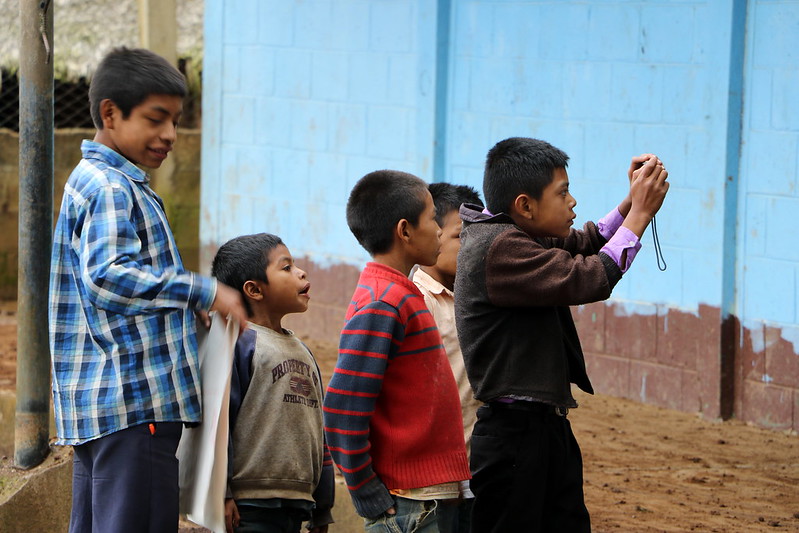 Participatory photography emerged in the last 20 years as a response to the ethical inquiries posed by advocacy photography. It reflects and proposes a solution to the promises expressed by advocacy and documentary photography. Participatory photography recognizes the medium’s potential as a strong tool for advocacy and documentation of the world’s poor.
The idea, however, is to place the cameras in the hands of those you wish to document. Participatory photography and poverty documentation seek more organic results, as they represent not just the livelihoods of the participants but also the specific needs and issues that they deem important. Participatory photography often yields results that de-dramatize livelihoods and offer depictions that leave the aesthetic narrative of victimization.
The emphasis is also placed on ownership and control of the dissemination of photographs. Not only are participants meant to be in control of their image and what they want to show, but they also become active actors in the economic benefits mediatization might offer.
Organizing Participatory Photographic Projects
Photovoice, founded in 1999, based its practice on the 1997 research paper written by Wang and Burris, which highlighted participatory photography as an effective research method to document needs as perceived by a community. With its methodological approach and ethical statement, Photovoice blends advocacy and research insight to promote social change for marginalized and poor communities. Although the organization started with projects in the United Kingdom (U.K.), it has now branched out internationally. It has worked with the likes of Save The Children and Oxfam.
In 2017, Photovoice trained rural impoverished communities in Zimbabwe in participatory photographic and poverty documentation methods as part of a joint project with the British Red Cross and the Zimbabwean Red Cross to evaluate the impact of the Food Security and Livelihood (FSL) program. With the help of participatory photographic methods, the community was empowered to identify key program areas that mattered greatly to their well-being, such as the development of micro-finance institutions or livestock security.
Most participants also highlighted the positive impact the project had on the community’s cohesion and cooperation environment. All participants also agreed that the project had successfully raised awareness about best practices and important issues in their community.
The Future of Participatory Photography
Participatory photography and poverty documentation fit right together. The practice’s development is already granting local impoverished communities worldwide more and better agency to voice their situations and concerns that are particularly important to them. Participatory photography is confined to policy evaluation and programs that work in NGOs, needing more reach and impact than traditional photography has in media coverage. However, the ethical benefits and effectiveness in raising awareness for the right issues show that participatory photography has a bright future in advocating for the world’s poor.
– Felix Stephens
Felix is based in London, UK and focuses on Business and Politics for The Borgen Project.
Photo: Flickr
