Facts You Did Not Know about Period Poverty in the CAR
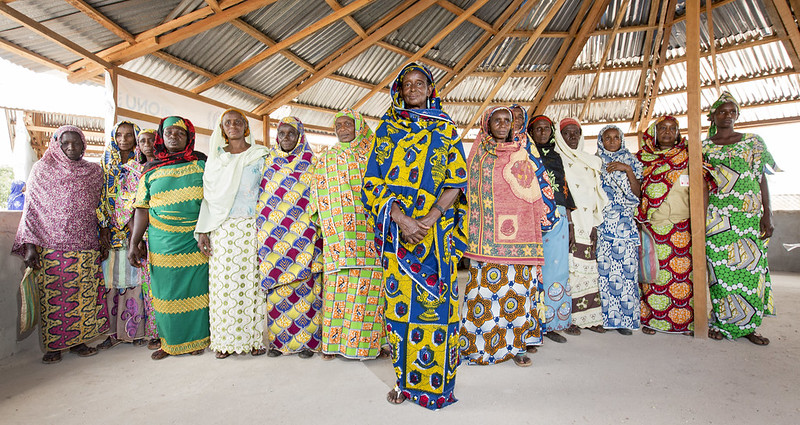 Period poverty constitutes a pressing global public health challenge many have often disregarded. It encompasses a lack of access to menstrual products, education and proper sanitation facilities. Although Period Poverty may sound cliché, its implications are far-reaching and often unrecognized. Despite significantly impacting millions of girls worldwide annually, the issue remains largely unaddressed by the media. Nowhere is this issue more acute than in the Central African Republic (CAR), where it compounds existing obstacles to accessing essential resources such as education and health care services. This article explores key facts about period poverty in the CAR. It highlights its harsh realities and stresses the urgent need for support and intervention.
Limited Access To Menstrual Products
Limited access to menstrual products in the CAR exacerbates challenges faced by women and girls, hindering their ability to manage their menstrual health effectively. The United Nations Children’s Fund (UNICEF) warned ahead of Menstrual Hygiene Day in 2014, highlighting the dire consequences of stigma, poverty and inadequate access to essential services such as toilets and water on menstrual health and hygiene for women and girls.
Particularly affected are the poorest, ethnic minorities, refugees and individuals with disabilities. Although menstrual materials are widespread, ranging from 81% to 100% across most countries surveyed, some rely on inadequate substitutes like paper or nothing. Additionally, access to private spaces for washing and changing varies greatly, with significant disparities between rural and urban areas and ethnic groups facing even more critical challenges and limitations in emergency settings.
The Educational Barriers
CAR significantly impedes educational opportunities for young women. One in four miss school due to substandard facilities for menstruation and a lack of menstrual education. This absence of proper menstrual hygiene management not only hampers students’ education but also perpetuates the stigma and shame surrounding menstruation.
Health Implications
The deficient management of menstrual hygiene poses significant health risks for young women. Insufficient menstrual hygiene increases the likelihood of infections and reproductive health issues, potentially leading to long-term health complications. Furthermore, poor menstrual hygiene can contribute to social stigma and discrimination, exacerbating the mental and emotional well-being challenges faced by young women.
Cultural taboos surrounding menstruation persist in the CAR, exacerbating challenges for women and girls. The enduring stigma attached to this issue fosters silence, further complicating the establishment of effective policies concerning menstrual health.
Additionally, economic disparities worsen period poverty, particularly affecting women and girls from low-income households. Affording menstrual products becomes a challenge, perpetuating a cycle of poverty that obstructs their opportunities for advancement.
NGO Interventions and Future Prospects
Nonprofit organizations (NGOs) actively assist girls and women in the CAR who face challenges due to period poverty. NGOs like Days for Girls are at the forefront, educating about menstrual health, distributing hygiene products and challenging stigmatizing beliefs surrounding menstruation.
Period poverty in the CAR is a multifaceted challenge demanding attention, awareness and unified action. Despite progress, sustained efforts and partnerships with local communities and the government are essential for lasting change.
– Jayde Andrews
Photo: Flickr
