Đổi Mới: Vietnam’s Rapidly Evolving Healthcare System
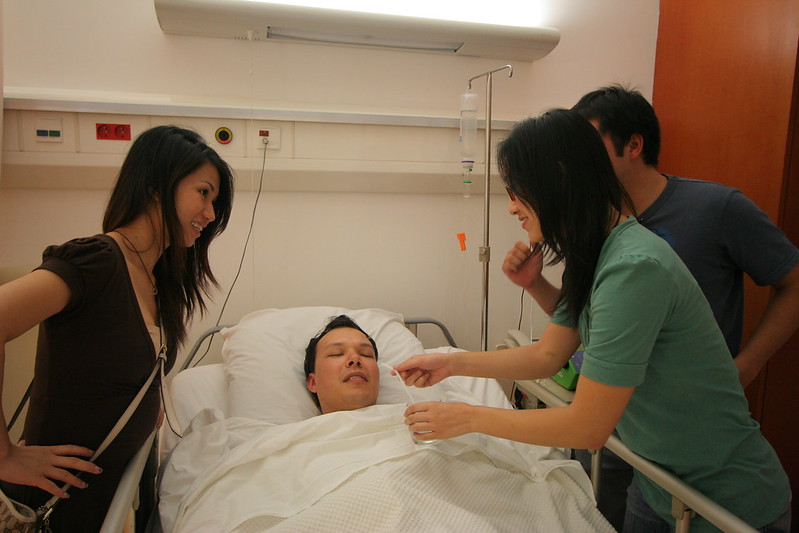 Following the economic development precipitated by the launch of Đổi Mới in 1986, Vietnam has achieved status as a “middle-income economy in one generation.” The heightened demand for improved health care services has prompted a rapidly developing health care system transforming lives in Vietnam.
How the Health Care System Has Developed
The Vietnamese Ministry of Health provides services at three levels: the district and commune levels, the provincial level and national institutions under central government control. This hierarchical system is employed to efficiently distribute services, extending them effectively from the grassroots level. As a result of such comprehensive progressions, there are many notable successes of the rapidly developing health care system transforming lives in Vietnam:
- Hospital Infrastructure: The modernization and renovation of facilities in both public and private hospitals have created a myriad of opportunities for the establishment of new departments specializing in advanced treatments. This progress has not only led to improvements in addressing fundamental health issues like nutrition, immunization and hygiene but has also extended to more advanced areas of research. Consequently, Vietnam has successfully developed its vaccines for COVID-19, which have undergone clinical trials.
- Medical Equipment: The rapidly developing health care system transforms lives in Vietnam through life-changing technologies, allowing for “breakthroughs in diagnostics, medical devices, medicines and nutrition.” By implementing “Alinity,” a system designed for simplifying diagnoses, in 18 hospitals, the Chicago-based company Abbott has made high level treatment accessible to the entire population.
- Universal Health Coverage (UHC):UHC aims to provide affordable, high-quality services to all levels of society. Offering a “spectrum of services,” UHC goes beyond health promotion through education, treatment and rehabilitation, incorporating a “legal framework” and other interdisciplinary approaches. Through these comprehensive measures, the rapidly advancing health care system in Vietnam continues to bring about transformative changes in people’s lives.
- Education: Vietnam’s commitment to health care development extends beyond providing treatment. It has also led to the establishment of a new medical school. Founded in 2018, VinUniversity achieved a “5-star QS rating in seven categories” within two years of operation, making it the “youngest university in the Asia-Pacific region” to accomplish this feat. Entering into a “formal alliance with the University of Pennsylvania in 2018,” VinUniversity is evidence of Vietnam’s efforts to utilize globalization and international support to bolster its health care services.
How Health Care Developments Help To Overcome Poverty in Vietnam
Health care is one of the most significant factors that affects poverty rates in any country. Given that “poor health is disproportionately concentrated among the poor,” Vietnam can seldom achieve poverty reduction without improved health care. Through its efforts to revolutionize the health care system, Vietnam has expanded high-quality services to those most impacted by poor health nationwide. This initiative not only improves the overall health of the population but also enhances economic opportunities for those severely affected by poverty, increasing their “ability to work” and potential for “educational attainment.”
Vietnam, significantly assisted by its rapidly developing health care system, has “attained its Millennium Development Goal (MDG) of halving its poverty rate 10 years before the deadline set by the U.N.” Poverty reduction has occurred so rapidly that, whereas in 2021, 4.4% of the population lived below the national poverty line, by 2023, this figure has dropped to 2.93%.
Challenges Facing Vietnam’s Health Care
Although the rapidly developing health care system is transforming lives in Vietnam, many areas require further attention, evidencing the need for continued funding and support from both within the country and outside.
Vietnam’s health care system continues to operate through “manual, paper-based reporting systems.” Consequently, data integration and distribution are currently inefficient processes.
Despite a significant increase in the number of health care workers, rising from 15,000 in 1986 to 109,500 by 2021, the distribution of workers is not “relative to population density,” resulting in the neglect of more rural populations by the rapidly developing system.
However, strategies are in place to tackle this issue, including the increased implementation of “telemedicine,” offering consultation and diagnosis online. This, however, requires technological improvements in the rural communities themselves, demanding increased funding and subsequent international support.
Underfunding
The Vietnamese health care system faces challenges in sustainability and further development without an augmentation of funding. “In particular, insufficient resources are allocated to health care infrastructure, equipment and staff training.” Therefore, many patients have no choice but to resort to “out-of-pocket payments,” which can be a “significant financial burden for low-income families.” Increased international aid is necessary to support the health care system, supporting the Vietnamese government in achieving UHC and reducing the need for low-income patients to subsidize their own medical demands.
Conclusion
The rapidly developing health care system transforms lives in Vietnam by providing innovative, highly advanced treatments and financing research into preventative methods. Largely government-funded, Vietnamese health care is now accessible to all demographics and can tackle both basic health needs and more complex issues.
– Chloe Thomas
Photo: Flickr
