USAID’s Investment in West Bank Women’s Education
 West Bank, named for its association with the Jordan River, constitutes one of the two main Palestinian regions, the other being the Gaza Strip. Geographically enclosed and located near the Mediterranean Sea in the Levant region of West Asia, this territory has been under Israeli occupation since 1967.
With a poverty rate of 13.9% among its population, the West Bank faces significant challenges, largely attributed to the absence of stable and beneficial employment opportunities. Additionally, the lack of effective transportation, influenced by its geographical location, further hampers residents’ access to areas where such opportunities may be more abundant. Even if the needed transportation was in order, low levels of education hold its people back from getting jobs with salaries above the poverty line.
Education in the West Bank
The energy crisis in Gaza has severely impacted education, leaving students to study without adequate light or internet access. Restrictions in “Area C” of the West Bank have led to a shortage of schools and constant threats of demolition. Movement barriers, including checkpoints and the Separation Wall, hinder Palestinians’ access to education. Israeli travel bans and the Gaza blockade prevent students from attending universities in the West Bank. Without access to schools directly within the West Bank area, its people cannot move freely to find the education they are searching for.
Saffa Girls School
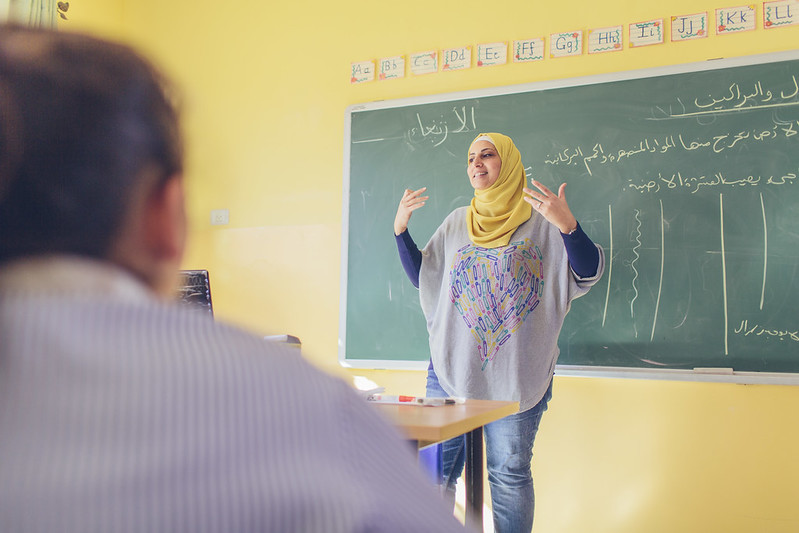
The Saffa Girls School in Ramallah Governorate, West Bank, was established in 1992. Since then, it has only continued to expand positively through implementing programs such as the United States Agency for International Development (USAID) Model School Network Program. This USAID initiative, implemented by the America-Mideast Educational and Training Services (AMIDEAST), aims to improve the quality of West Bank women’s education.
Saffa Girls’ School and 56 other schools have benefited from the program, receiving training for teachers and administrators. This program has contributed to the construction or rehabilitation of schools and various infrastructure projects, benefiting almost one million people. This has allowed schools to reduce class sizes and eliminate the need for students to learn in shifts. Between 2008 and 2009, the nonprofit organization Anera constructed two new floors within the Saffa Girls’ School. The new floors hold eight classrooms and a science lab. Not only does this give students more space and opportunity for learning, but this construction also opens up new job opportunities for adults living within the community.
Empowering Women Through Education
The Saffa Girls’ School is portrayed as a haven for learning, growth and empowerment. The girls attending the school are expected to become women who contribute significantly to their families, as breadwinners and mothers who prioritize education for their children. When you can properly educate the women of the world, it causes a pattern of positive change to flow throughout the entirety of the communities they reside within. West Bank women’s education is a growing entity that will soon change the trajectory of everyone residing within the region.
The Impact
Abeer Ali Badran, the school’s principal, took the initiative to collaborate with USAID to extend improvements made to the school’s facilities and educational resources throughout the community. This effort reached a total of 93 schools similar to hers in the West Bank.
Students in USAID-supported schools, including Saffa School, scored 7% higher on standardized tests compared to other students in their districts. This outcome underscores the significant impact of the dedicated efforts of USAID and Badran on the lives of students in the Middle East, with the promise of continued positive influence in the future.
Conclusion
Investing in the education of women in the West Bank is not only an investment in their progress but also in the overall advancement of society. When women receive education at the primary level, it opens doors for them to pursue higher education, providing access to valuable information. This access empowers them to break the continuous cycle of poverty embedded in their surrounding community.
– Tristen Jerkins
Photo: Flickr
