Poverty Levels and Remittances in South Korea
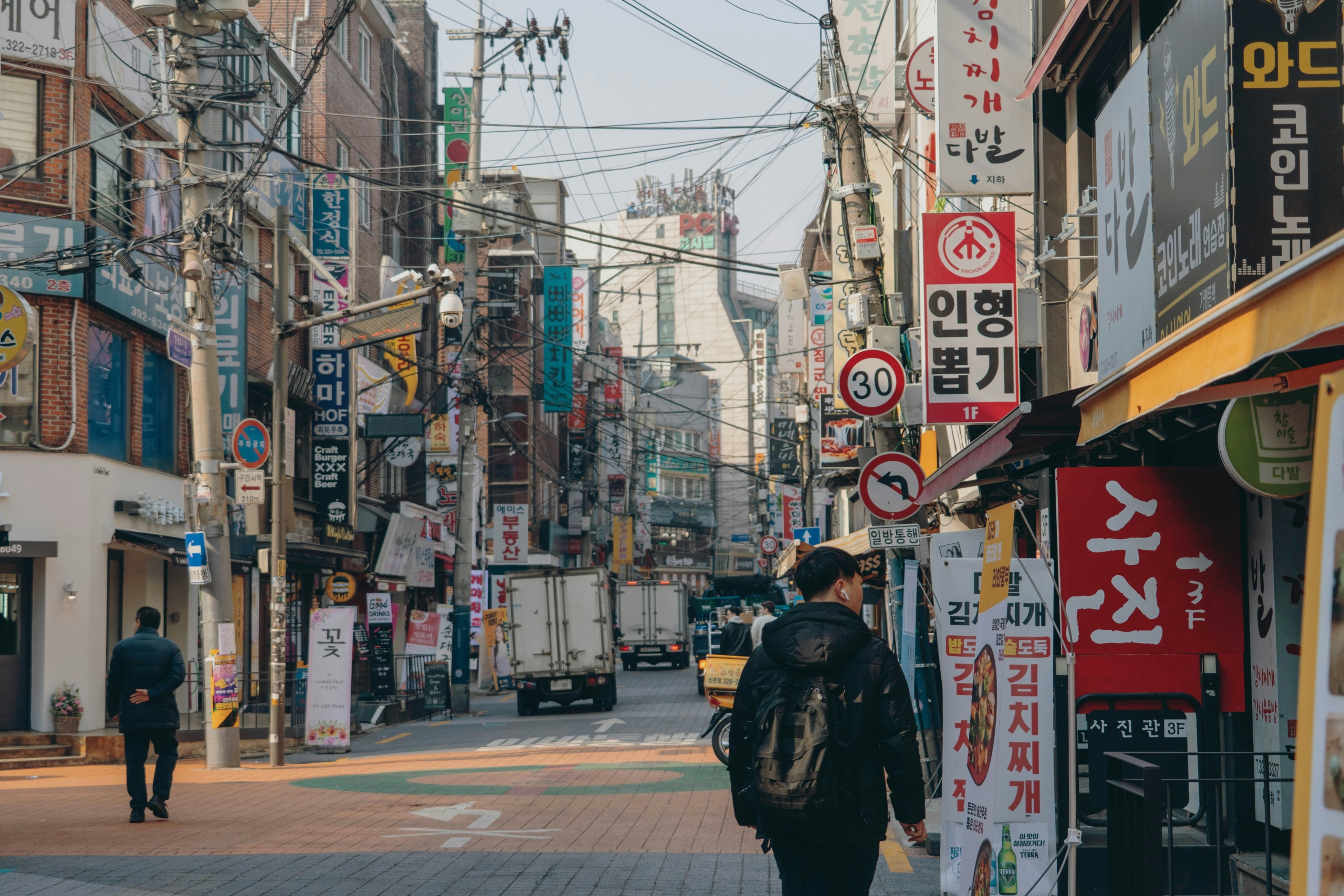 Economic growth and globalization have transformed South Korea, symbolized by its thriving urban centers and technological advancements. While the country continues to make impressive strides in economic progress, a new concern has emerged – the intricate relationship between remittances in South Korea and poverty levels. As the nation undergoes unprecedented development, the dynamics of remittance flows have become a focal point for researchers and economists seeking to unravel their far-reaching implications on the well-being of the South Korean population.
Poverty as a Result of Remittance Fund Disparity
Despite the transaction value of $4.9 billion projected in South Korea’s Digital Remittances market in 2024 — typically coming from developed countries — the distribution of these funds raises concerns about economic disparities and potential implications for poverty. Though the market is anticipated to expand, the average transaction value per user is estimated at $320,440, suggesting a concentration of larger remittances among a certain segment of the population. With a total of 176,400 users expected by 2027, there is a risk that a significant portion of South Korea’s population might not benefit from these remittance transactions.
According to the Organization for Economic Cooperation and Development (OECD), South Korea has the fourth-highest wealth disparity out of 38 developing global economies measured. OECD reports that in 2018-2019, the relative poverty rate in South Korea reached 16.7%, meaning one in six South Koreans lives on less than half the median income for the country. A large portion of those living in poverty are over the age of 65 and thus unable to find adequate employment. Many have little to no savings and reside in rural areas.
Unequal Distribution Among Population Centers
Disparities in accessibility and distribution of remittances means that certain regions benefit more readily than others, amplifying existing inequalities. Urban centers often become primary recipients, leaving rural and less affluent areas with fewer resources to combat poverty. This geographical imbalance underscores the importance of investigating not only the overall impact of remittances but also their specific regional implications.
The symbiotic relationship between economic progress, remittances and poverty levels requires a comprehensive and empathetic approach. As the economic landscape evolves, policymakers, economists and communities must collaboratively address the multifaceted nature of poverty. By acknowledging the interplay between urban prosperity and rural challenges, South Korea can craft targeted strategies that uplift the entire nation, ensuring that the benefits of economic success are shared equitably among all citizens.
Challenges of Unequal Access to Remittance Funds
The challenge of unequal distribution of remittances in South Korea is not solely geographic but also demographic. Certain demographic groups, such as migrant workers and marginalized communities, may face barriers to accessing the benefits of remittances in South Korea.
Discrimination, lack of financial infrastructure and limited awareness of available support mechanisms can impede the equitable distribution of remittance funds, perpetuating social and economic disparities. While the research around reducing remittances disparity has yet to produce a solution, several non-government organizations (NGOs) are dedicated to addressing the issue in South Korea.
ChildFund Korea started in 1948 as a prominent international NGO. It has been instrumental in addressing the challenges of poverty in South Korea, particularly those stemming from the uneven distribution of remittances. Through its multiple regional headquarters, community welfare centers, foster care centers, child protection agencies and Hansarang Welfare Institutes for the Disabled, ChildFund Korea provides sustainable financial, physical and emotional support to help vulnerable children and families. The organization’s commitment to child protection and rights is widely recognized both within the Republic of Korea and internationally.
The Korea Trust Fund (KTF), in partnership with the World Bank Group (WBG), committed $15 million over three years to address fragility, conflict and violence (FCV), particularly in Asia and the Pacific. Established in 2009 with a primary emphasis on investment lending, the KTF facilitates project preparation and implementation support in key development sectors through catalytic grant projects. Additionally, the fund promotes innovative engagements for development in FCV by strengthening knowledge exchanges, cutting-edge analytics and capacity building, including partnerships with non-traditional actors like tech companies, in an effort to increase the distribution of remittances in South Korea.
Conclusion
As South Korea continues its journey toward economic prosperity, the impact of remittances on poverty levels is imperative to track. By acknowledging the challenges posed by unequal access and incorporating remittance considerations into planning, the nation can strive for a more equitable distribution of resources and a reduction in poverty levels for the well-being of its citizens.
Collaboration between government entities, financial institutions and non-profit organizations is paramount in creating a comprehensive strategy that not only recognizes the pivotal role of remittances in alleviating poverty but actively works toward fostering inclusive economic development.
– Mahima Bhat
Photo: Unsplash
