East African Ports Surge Ahead: Closing the Gap with West Africa
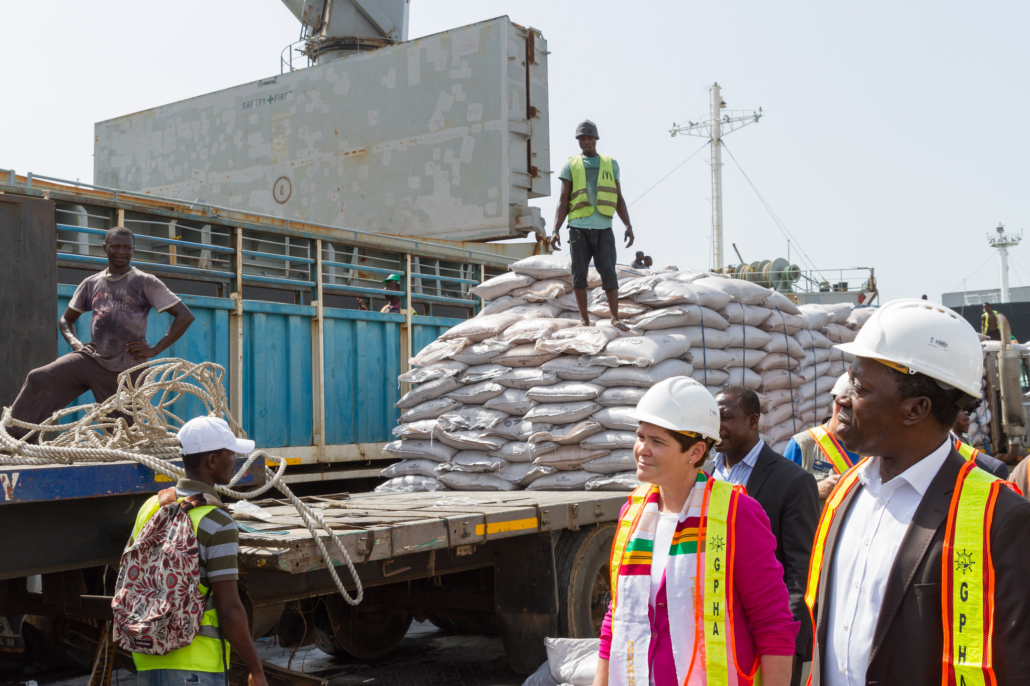 As of 2023, East Africa’s efforts to revitalize its ports have catapulted the region into a new era of economic betterment, closing the gap with its West African counterparts. This maritime resurgence has not only transformed the transportation sector but has also become a driving force behind the region’s job creation and economic growth.
Revitalization Efforts and Implementation
Recognizing the need to modernize to compete globally, East Africa initiated strategic plans to revitalize its ports. Investments in infrastructure and technology were needed to streamline the processes of rejuvenating and creating new and more modern ports. The objective was clear: to develop efficient and competitive ports capable of handling increased trade volumes.
Collaborations with international partners and private investors fueled the implementation, setting the stage for a transformative process. In cities like Mombasa, foreign investors like Japan have shown a serious long-term commitment to modernizing the East African ports. In 2016, Japan spent $10 billion on African infrastructure to create new ports and in 2020, Japan showed support to Mombasa’s $193 million budget to update their container terminals.
Job Creation and Economic Impact
As East African ports surge, their economic activities have translated into a significant increase in job opportunities for neighboring communities. In a recent deal made with the United Arab Emirates (UAE), the expansion of port projects in Kenya is anticipated to bring about job creation and business opportunities.
The African Report has also found that even though the population of people is more prominent in the West, the traffic of goods coming into ports is 60% in the East while the West has 50%. East African ports have played a pivotal role in connecting businesses to global markets, thereby lifting communities from poverty.
Ports as Catalysts for Poverty Reduction
The revitalization of East African ports has become a potent weapon in the fight against poverty. According to a recent report by Konrad Adenauer Stiftung, East African ports “generate revenue, create jobs and stimulate infrastructure development.”
In nations like Kenya, ports like Mombasa are still making deals with investors to revitalize their ports and, in doing so, stimulate job opportunities. In fact, Kenya’s efforts to rejuvenate its ports and stimulate economic growth are already showing progress. A Statista study in 2022 found that the extreme poverty rate in Kenya has dropped from 19% to 17% and predicted that it will drop to 11% by 2030.
Quantifying Success
Increased trade volumes and streamlined port operations have resulted in higher revenue for the countries involved. A port in Tanzania that handles 85% of the country’s maritime traffic on its own has ranked first among the African ports in terms of progress in 2022.
Terminals originally considered indecent in Northeast Africa, such as Tangier in Morocco and Port Said in Egypt, have overtaken Southeast ports like Durban, Mombasa and Djibouti in container traffic rankings among the top 10 African ports.
Kenya’s Mombasa received 1.32 million 20-foot equivalent units (TEUs) of containers, marking a 10.2% rise from the comparable period in 2022. This increase from 1.2 million TEUs occurred despite the challenging global economic conditions.
Local Leaders’ Perspectives
Local leaders play a crucial role in championing the transformative impact of revitalized ports. Olivier De Noray, Managing Director of Ports & Terminals at Africa Global Logistics, emphasizes, “It’s not a question of catching up with the West, but rather of starting a phase of port renewal.”
Looking Ahead
East African ports’ infrastructural growth is a testament to the transformative power of strategic investments. The revitalization of ports in the region has not only caught up with West Africa but has surpassed expectations, creating job opportunities, boosting economies and significantly contributing to poverty reduction. As East Africa continues to invest in its maritime infrastructure, the region is poised for sustained economic growth, promising a brighter future for its people.
– Quinn Higby
Photo: Flickr
