Smart Tattoos: The Future of Health Monitoring in Developing Countries
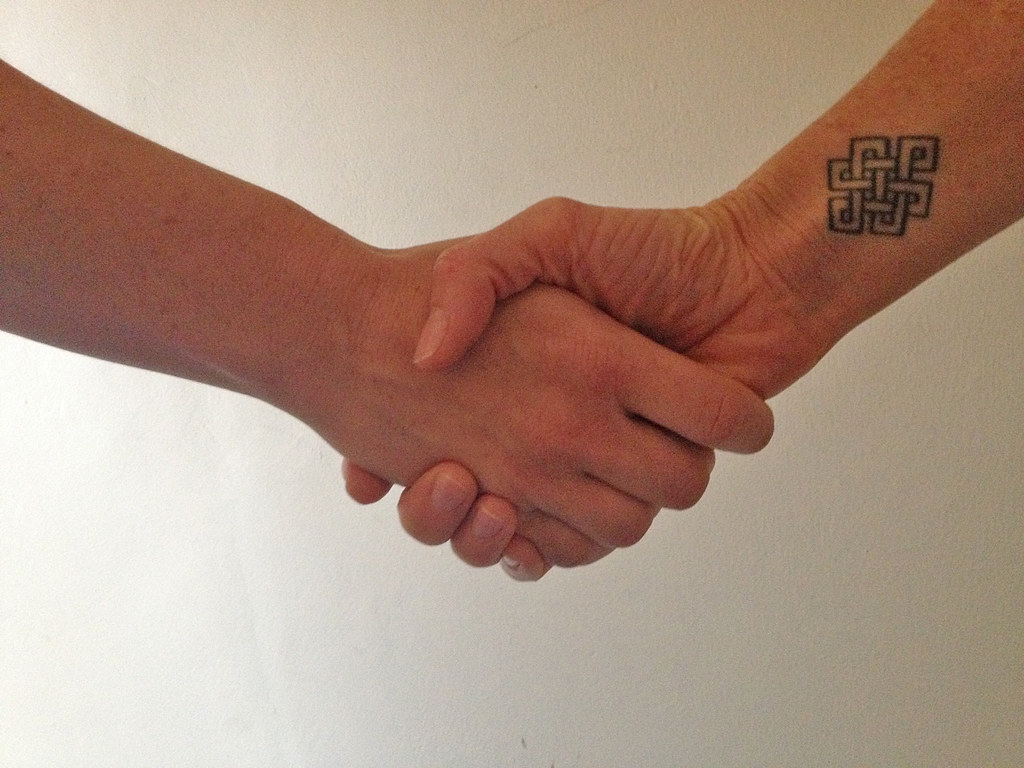 In the global battle against diabetes, a condition that directly caused 1.6 million deaths in 2015 and was associated with 4 million deaths in 2017, the revolutionary emergence of smart tattoos could mark a significant turning point, particularly for developing nations grappling with limited health care resources. These innovative devices could be the harbinger of a new era in health care, offering a low-cost, efficient method for real-time health monitoring.
The Escalating Health Crisis
The World Health Organization (WHO) has documented a staggering rise in diabetes cases, particularly in low- and middle-income countries. The number of people with diabetes soared from 108 million in 1980 to 422 million in 2014, and there was a notable 3% increase in diabetes-related mortality rates from 2000 to 2019. The disease is a leading cause of severe health complications, including blindness, kidney failure, heart attacks, stroke and lower limb amputation.
India, which has the highest number of children and adolescents living with type-1 diabetes — an estimated 229,400 — exemplifies the urgent need for innovative and accessible diabetes management tools. Similarly, Brazil, with 92,300 youth affected, reflects the widespread impact of this chronic condition in developing countries.
The incidence rates of type-1 diabetes in children also shed light on the disease’s reach within these nations. Algeria’s high incidence rate of 34.8 persons diagnosed per 100,000 people each year is proof of the growing need for effective diabetes care and education in Africa and developing countries worldwide.
In its 2018 guidelines on pharmacological agents for managing diabetes in low-resource settings, the WHO noted that “sulfonylureas are currently more affordable than newer oral anti-hyperglycaemic agents for people who pay ‘out of pocket’.” Consequently, they are likely to be more accessible. “This supports the South Asia consensus on diabetes management, which highlighted that cost is an important consideration in this region of the world, as a majority of patients are not covered under medical insurance.”
Smart Tattoos: A Technological Marvel
Historically, tattoos have served various purposes from symbols of cultural significance to marks of personal identity. However, recent research reveals that tattoos may have played a therapeutic role in ancient societies. The discovery of Ötzi the Iceman, a 5,300-year-old mummy with tattoos strategically placed over acupuncture points, suggests that people used tattoos for pain relief, a practice that mirrors modern acupuncture techniques.
In this modern context, health-monitoring ‘smart tattoos’ represent a significant medical breakthrough. As outlined in the British Journal of Nursing, these tattoos leverage nanotechnology to non-invasively monitor glucose levels. This advancement is crucial for diabetes management, where traditional methods are often invasive and painful, leading to poor adherence, especially in areas with limited health care resources.
A Glimpse into the Future of Health Monitoring
At the forefront of this pioneering innovation is the work that Dr. Ali Yetisen and Ph.D. student Rosalia Moreddu conducted at Imperial College London, coinciding with teams at the Korea Advanced Institute of Science and Technology, led by Steve Park. Their research delves into tattoos capable of detecting biomarkers such as glucose levels by interacting with the interstitial fluid beneath the skin. In essence, it is a tattoo that changes color in response to blood sugar levels, shifting from yellow to green as glucose rises — a critical indicator for those managing diabetes. This paves the way for a future in which the daily rigors of diabetes management are significantly eased, potentially replacing frequent and painful finger-prick tests.
A study in 2018 revealed a preference for wristband devices that monitor glucose. However, it also indicated a growing interest in tattoo sensors, especially among younger demographics and individuals with type 1-diabetes. This hints at a generational shift in health monitoring preferences.
Other Uses for Smart Tattoos
The scope of smart tattoos extends beyond glucose. The Imperial College team is also exploring the detection of albumin and pH levels, which can signal conditions ranging from kidney failure to lung disease. The technology’s adaptability suggests that it could potentially monitor hydration by measuring ion concentrations, a vital aspect of health maintenance.
Further collaboration between MIT and Harvard Medical School researchers resulted in optical biosensors that can be tattooed into the skin, reacting to changes in interstitial fluid. These biosensors are designed to detect various health indicators, including blood pressure, glucose, lactate, skin temperature and brain activity. The researchers envision that this technology will foster new partnerships between biotech companies and skin professionals, such as prosthesis experts and tattooists. Future research aims to explore new biosensors, body modification practices and interaction techniques.
Parallel to the work at Imperial College, researchers at the University of Colorado Boulder have made strides in developing tattoos that are only visible under UV light, making them timely reminders for sunscreen re-application. Another temperature-sensitive tattoo acts as a built-in thermometer, a tool that could be particularly useful in managing health in varying climates.
Adding a digital dimension, Google’s research into conductive ink opens up the possibility of turning body parts into a touchpad. This could enable interactions with devices through simple gestures, marrying the digital and physical aspects of our lives in an unprecedented way.
These technologies may provide a cost-effective, efficient solution for real-time health monitoring, crucial for countries where health care systems are overburdened and under-resourced.
Conclusion
These recent health monitoring innovations offer a glimpse into a future where managing chronic conditions like diabetes could be as simple as glancing at a tattoo. As this technology matures, it holds the promise of not just improving individual health outcomes, but also contributing to alleviating poverty by reducing health care costs and improving the quality of life for millions in developing countries.
– Jack Jones
Photo: Flickr
