The Role of Women in the Guatemalan Health Care System
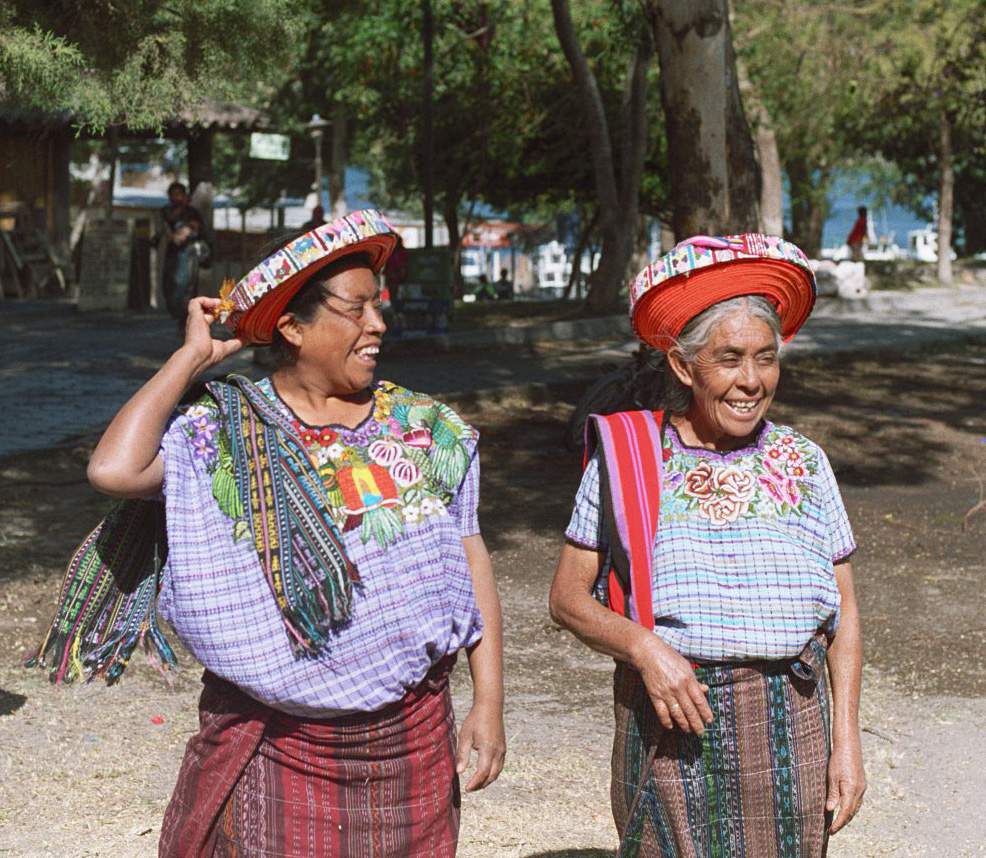
In many families and homes across the globe, people consider women the primary caregivers. In rural Guatemalan communities, where health care facilities are sparse or inaccessible, women’s roles often expand beyond their front doors and into the wider community.
The Guatemalan Health Care System
Guatemala has endured a long history of political and economic unrest in recent centuries. However, since the end of the most recent civil war in 1997, the country has celebrated a vast economic incline with 8% and 4.1% growth in 2021 and 2022 respectively. Furthermore, to date, Guatemala possesses the largest economy in Central America, including the neighboring countries of Belize, El Salvador, Honduras and Mexico. Despite its seemingly stable economy, the wealth disparity within the country is one of the highest in the Latin American and Caribbean region with more than half the Guatemalan population living below the poverty threshold. Health care in Guatemala reflects this disparity.
There are three primary branches of health care in Guatemala: the public sector, the profitable private sector and the nonprofit private sector. The largest of the three branches is the public sector, which covers 88% of the population. However, facilities within this sector are often lacking vital equipment and infrastructure. This is a result of the lack of funds that the Guatemalan government has allocated towards health care — the lowest amongst Central American countries. As per the Guatemalan constitution, health care in Guatemala is a universal right of every citizen. However, in reality, health care in Guatemala is not readily accessible to everyone, particularly those who reside in rural locations.
Women in Health Care
Indigenous Mayan communities inhabit rural Guatemalan regions, where health care facilities are not only sparse but entirely inaccessible. Despite women being the most active users of health care services across the world, one in three women in these communities has no access to health care services. As a result, many women take up prominent positions to fill this void.
One such role includes presiding over local health committees that bring together women from throughout the community, often for training sessions with international aid charities such as the International Federation of the Red Cross and Red Crescent Societies (IFRC). These training and educational sessions often involve promoting hygiene practices and knowledge of common diseases. In turn, the women present on these committees go on to spread and impart their knowledge to other women and future generations of women. The IFRC reports that through its support of these local health committees, it has been able to provide approximately 1,250 families in the Quetzaltenango region of Western Guatemala with vital health knowledge.
In exchange for the information and resources that the IFRC provides, local women provide key insights into life within these rural communities that can be passed on to national health care authorities in the hopes of improving local health care facilities.
Conclusion
While health care in Guatemala is ostensibly universal and possesses a prominent public sector, it lacks the resources and infrastructure to reach every citizen. In those cases, it is women who extend their caregiving roles into the community to provide physical health care as well as impart health awareness information. In doing so, they continue to support their community as well as improve the overall state of the health care system in Guatemala.
– Holly Coop
Photo: FreeImages
