How Foreign Aid in Afghanistan Helps
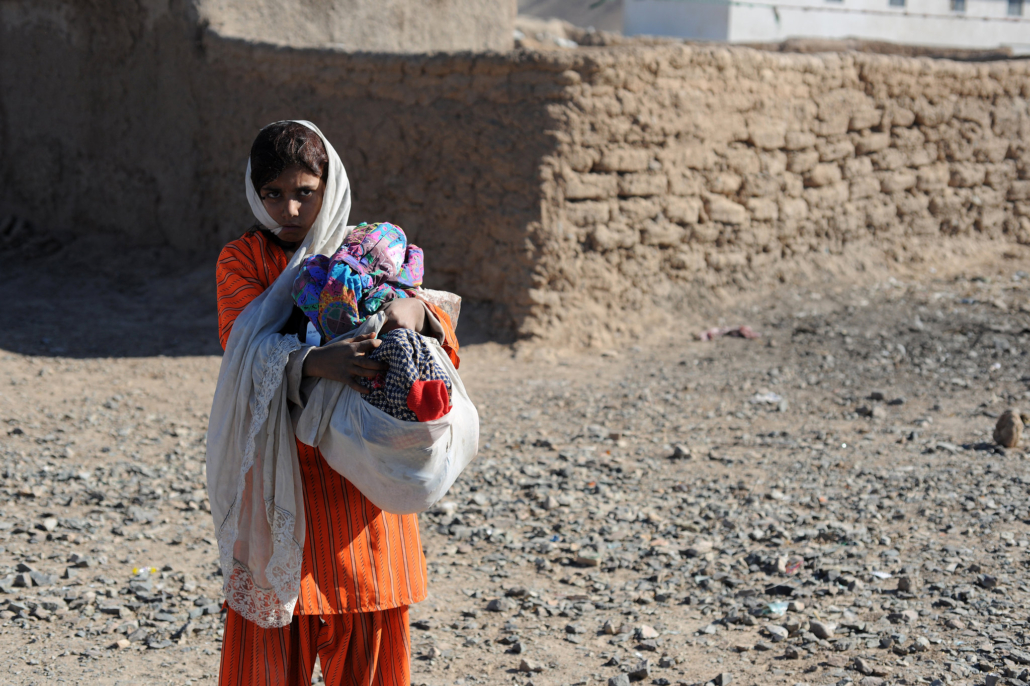
On October 7, 2023, a powerful earthquake hit the grounds of Afghanistan and wreaked havoc. Violent shakes hit the city of Herat three times. More than 2,000 people lost their lives due to the natural disaster. The quakes reduced whole villages to rubble, burying families and leaving many homeless as winter arrived. After the earthquakes in Afghanistan, global aid groups and rescue teams have issued warnings. With the recent seismic activity, an escalating humanitarian crisis amid war and a collapsed economy requires attention. What is even more concerning is the human recovery aspect. The earthquakes reduced entire villages to debris, and inadequate funding, coupled with limited global awareness, hampers foreign aid efforts in Afghanistan.
Afghanistan in Relentless Crisis
On August 15, 2021, Taliban rule looked over Afghanistan as NATO and U.S. forces left the country. This year, the country is entitled to no growth territory by the World Bank. The private sector appears weak, with no opportunity for growth. The industrial and agricultural sectors also saw sharp decreases in GDP. This decline is due to harmful gender policies that have shut down women-run businesses and weather conditions with no resources for the farmers to adjust.
Following the Taliban takeover, civilian and security aid abruptly ceased, amounting to more than $8 billion annually, roughly 40% of Afghanistan’s GDP. This sudden economic shock, compounded by sanctions, the freezing of Afghanistan’s foreign exchange reserves and the reluctance of foreign banks to engage with the country, placed an unparalleled strain on Afghanistan’s economy. Afghanistan’s GDP is a challenge, but estimates suggest a roughly 20% decrease in the aftermath of August 2021. Hunger and hardship are continuously increasing in Afghanistan.
How the Earthquake Has Worsened the Condition
The reduction in Afghanistan’s foreign aid after the occupation of the Taliban for two years and much international assistance has also stopped. This change had a dire effect on the country’s health care system. The consecutive earthquakes in Afghanistan have made this problem more grave.
Residents report that after the earthquakes in Afghanistan, Taliban fighters barricaded the streets leading to the hospital, preventing anyone from seeking medical assistance and subjecting those searching for loved ones to beatings with pipes and guns.
Within the hospital, survivors from homes reduced to rubble now occupy beds in the courtyard or sit on the floors. Fatigued health care personnel are making valiant efforts, but supplies are dwindling, and the oxygen reserves are nearly depleted. Patients endure agonizing waits of hours or even days for critical medical care without access to pain relief. In this case, Afghans desperately need foreign aid to survive.
Foreign Aid in Afghanistan Aids in Crisis
The first to respond and send immediate help after the earthquakes in Afghanistan was The Afghan Red Crescent Society (ARCS). Additionally, the IFRC and another partner Red Cross Red Crescent Societies also came. They worked rapidly and provided emergency medical aid, along with non-food supplies. The survivors received temporary shelter while rescue and search operations in the affected provinces also occurred.
The United States, via USAID, is offering $12 million in immediate humanitarian aid. Seeing the devastation, along with the International Organization for Migration (IOM), aid was supplied to earthquake-affected individuals with emergency shelter kits, cooking and water collection materials, blankets, solar lamps, clothing and household items. Considering the possibility of disease outbreaks like watery diarrhea, IOM is also working on rehabilitating water sources in villages with damaged infrastructure to ensure safe drinking water access.
Despite the challenges that Afghanistan has faced, these foreign aid efforts in Afghanistan are making a considerable impact. Through the work of The Afghan Red Crescent Society, USAID, IOM and more, quality of life for Afghanis should only improve.
– Asra Mairaj
Photo: Flickr
