Saving Lives: How Vaccine Campaigns Are Controlling Cholera in Kenya
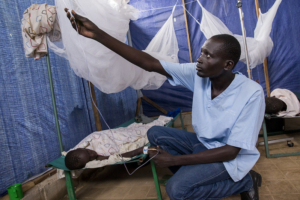 As of March 26, 2023, Kenyan authorities have reported more than 7,800 cholera cases and 122 deaths. The outbreak of cholera in Kenya started in October 2022. The severe drought in the region has exacerbated the spread of cholera. With support from the World Health Organization (WHO), Kenyan health officials began the country’s first cholera vaccine drive in February 2023.
How Cholera Is Spread
In cases of epidemics, such as the cholera outbreak in Kenya, the bacteria is typically found in food or water contaminated by feces from an infected person. Transmitted through contaminated water and food, cholera spreads quickly in places lacking sanitation, adequate water treatment and hygienic waste disposal. Poverty increases the likelihood of a cholera outbreak due to communities having little access to clean water and sanitation. Kenya’s ongoing drought has only made accessing any source of clean water even more difficult.
Kenya’s Cholera Vaccine Campaign
Health authorities aimed to vaccinate 1.59 million people in eight of the most high-risk counties in Kenya to control the spread of cholera. The vaccine campaign lasted ten days, from August 3 to August 12. In only ten days, the vaccine drive surpassed its goal. 1.67 million people received the oral cholera vaccine. Dr. Emmanuel Okunga, the head of the Health Ministry’s Disease Surveillance and Response Unit, attributes this success to their vaccination strategy
The Kenyan cholera vaccine drive deployed 1,886 vaccinators and 943 volunteers. These teams vaccinated community members in health facilities, churches, mosques, public water taps and settlements, and they even traveled from home to home. Another part of this successful vaccine drive is that the people in Kenya know the danger of a cholera infection, and they want to protect themselves. Many people crossed county boundaries to receive the vaccine. A single dose of the vaccine protects a person from contracting a cholera infection anywhere between six months and two years.
Improving Sanitation and Increasing Access to Clean Water
Efforts to improve sanitation and water in Kibera, a neighborhood in Nairobi, Kenya, have become part of an ongoing project to boost health and safety in the settlement. In Kibera, 20 ablution blocks, public washrooms with toilets, have been built in parks to give people access to toilets that utilize proper waste management techniques. Along with these governmental efforts, non-government organizations are helping out.
Shining Hope for Communities (SHOFCO) is building water ATMs throughout the 13 villages in Kibera. They have already placed 25 water ATMs with plans to build more. A single water ATM can provide safe and clean water to at least 100 households daily. Accessing water through these water ATMs is also cheap.
Most water vendors in the region charge up to 50 Kenyan shillings for a 20-liter can of water. This amount translates to receiving about five gallons of water for $0.37. Many members of the community are unable to afford that. At SHOFCO water ATMs, the same amount of water can be bought for only two Kenyan shillings, which is about $0.015. This water system has drastically changed the sanitation status in many villages because more people can access clean water for drinking, household use and toilets.
With continued vaccination efforts and access to clean water and sanitation facilities, there is a clear path to control the cholera outbreak in Kenya.
– Jacey Carey
Photo: Flickr
