How Karya is Helping Alleviate Poverty in India
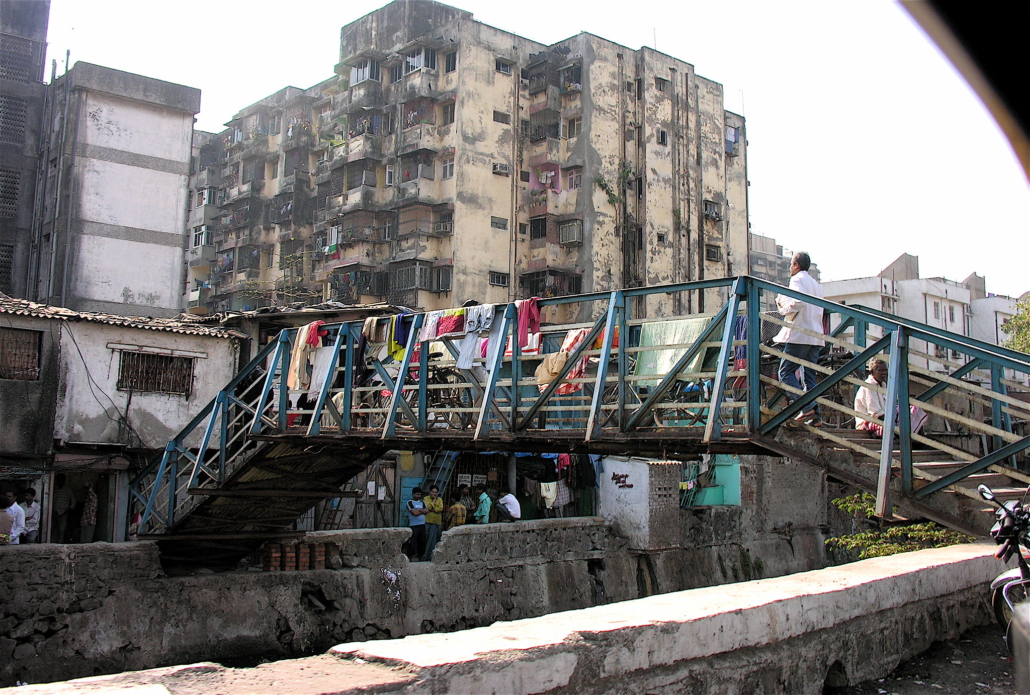
India is a developing country in Asia that has a complicated and vast financial history. For many centuries, India has struggled with poverty. From pre- to post-independence, India has seen much struggle and growth. To this day, India has one of the fastest-growing economies. Like many other countries, parts of India struggle more than others. Regional disparities are common in India and create economic gaps. Many organizations have been focusing on closing these gaps and targeting the less developed locations in India. Karya is a foundation focused on advancing citizens’ economic status in India. The foundation uses technology to create economic opportunities and promote growth. Karya is helping alleviate poverty in India.
The Karya Foundation
The Karya Foundation launched in 2021 to create a better India. Co-founders Manu Chopra and Vivek Seshadri saw the opportunity to change lives with technology. The foundation uses data cooperation to generate money for the citizens of India.
The Karya Foundation believes everyone deserves access to the skills, resources and opportunities that lead to a happy and fulfilling life. Living in poverty means there are few education opportunities. In India, the rural workforce needs more education to succeed in their professions. Karya pointed out that the rural workforce in India has less than 5% of its workers adequately trained and skilled. Fixing this statistic was Karya’s first step to alleviating poverty in India. As a result, it created an app.
How the App Works to Alleviate Poverty in India
Anyone who owns a smartphone can utilize the Karya app. Karya is an entirely digital tool used from anywhere, even without the internet. All someone has to do is speak their native language on the app. Karya captures this data and breaks it down. The data is then validated and synthesized into high-quality sets. These sets get sold to tech companies, and Karya receives profit. Karya prides itself in giving back the majority of this profit to the sender. The app helps Indians profit instead of big tech companies who hold most of the money. The app connects technology with innovation to transform people’s lives.
Karya prioritizes communities living below the poverty line to ensure the app reaches those who need it most. Developing communities in India are overlooked regarding economic opportunities, but Karya gives them a chance.
The app is a stepping stone for people. It has a cut-off of $1,500, which gives Indians the economic stability they need. Karya gives Indians the financial opportunity to create a better life for themselves. The app is changing the world for the better.
The Impact
Although a new technological advancement, Karya is already alleviating poverty in India. The hourly wage in India is about $2.14. Karya pays its employees a minimum of $5 per hour. On top of that, Karya employees make a profit anytime someone uses their recordings. This increase in economic opportunity helps alleviate poverty in India by allowing citizens to access more resources and advance their lives.
Since the start of Karya, Indians have completed 30 million paid digital tasks. These came from more than 30,000 workers who utilized the app’s opportunities. Karya has partnered with amazing organizations like the Bill & Melinda Gates Foundation, Bloomberg, Microsoft Research and many more. More than 100 districts in India have used Karya. In the upcoming years, this outreach is bound to expand.
Moving Forward
Karya continues to expand and reach new parts of India. The foundation is still working on clearing all citizens’ paths to gain economic stability. With organizations like Karya, people can make a change. With a vision and a dedicated staff, much good can happen. New languages and data sets are updated frequently on the website to reach new opportunities. Karya is raising awareness around poverty in India and making a difference in the world. The foundation looks to be an industry leader in ethical data collection today and in the future.
– Madison Rogers
Photo: Flickr
