Urban Gardens and Food Insecurity in the Dominican Republic
 The Dominican Republic’s global hunger index has been on a decline since 2000. While the Global Hunger Index report gave the country a score of 8.8 in 2022, which indicated a low level of hunger, food insecurity in the Dominican Republic remains a pressing issue.
In fact, as of April 2023, 287,000 people remain severely food insecure and 3.7 million people, or 35.5% of the population, are moderately food insecure. Food insecurity is broadly defined as a diet lacking in quality, variability or food intake. The phenomenon typically occurs in impoverished populations with no nutritional knowledge, minimal places to find food and limited finances to purchase produce. Both poverty and obesity are linked to food insecurity in the Dominican Republic. Individuals living in environments with reduced nutrition are more likely to have micronutrient deficiencies and a diet lacking in fruits and vegetables.
The factors driving more civilians into food insecurity include the socioeconomic impacts of COVID-19, the disruption of supply chains due to the war in Ukraine and the collapse of food systems from natural disasters. However, to improve the resiliency of the Dominican Republic’s food systems and to increase the accessibility of nutritious food, urban gardens could be the solution.
What Are Urban Gardens?
Cities are prime locations for food insecurity. Although the populations of urban landscapes are surrounded by different stores, their diets lack variety and nutrition. Not only is this the result of businesses selling unhealthy street foods to attract customers, but the buildings and concrete of cities make it hard to find arable land for growing produce.
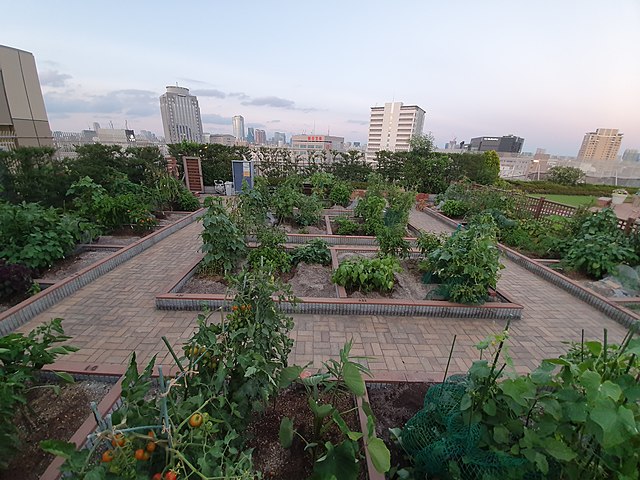
Nonetheless, agriculturalists have implemented urban gardens into city landscapes to ensure residents receive a healthy variety of fresh foods. As a result of food insecurity, urban dwellers in the Dominican Republic also face health issues. Anemia, a sign of chronic undernutrition, affects 61% of children aged 6 to 11. However, by increasing household food security and food consumption with the fruits and vegetables urban gardens provide, the micronutrient deficiencies impacting children can be combated.
Urban gardens diversify the diets of individuals that would not regularly have access to produce. While providing low-income individuals with sufficient nutrients, gardening also helps people save money — up to $84 per month — by growing their own food instead of purchasing meals. Therefore, these gardens mitigate the effects of poverty on nourishment by making fruits and vegetables accessible to people of all socioeconomic backgrounds.
A Future of Food Security
Individual farmers, city boards, or non-profit organizations begin urban gardens to mitigate the consequences of socioeconomic inequality in cities. With urbanization on the rise in Latin America, population growth puts more demand on food supply chains. Therefore, cities across Latin America have successfully used urban agriculture to reduce food insecurity.
For example, Havana, Cuba is leading the world in urban agriculture. Its rooftop farms and community gardens produce up to 100% of the city’s vegetables, which have increased public health. By making cheap produce more accessible, the city increased food security for its residents and boosted nutritional health.
The non-profit research institute RAND Corporation sees other opportunities to reduce food insecurity in the Dominican Republic. Since residents of cities like Santo Domingo identify economic instability as the main reason for their food insecurity, increasing access to cheap fruits and vegetables would bring variety to diets.
In 2015, Mission Alpha International established a community garden in Bella Vista, Dominican Republic. By providing families with 21 parcels of land, free seeds and gardening tools and educational services from experienced gardeners, the organization supplies low-income families with a diverse diet made up of fruits and vegetables like tomatoes, cucumbers, onions and eggplant.
Since the success of the Bella Vista garden, Mission Alpha International has distributed food to low-income families monthly. Through urban agriculture, the organization was able to deliver 3,500 kilograms of food to 132 families in 2019.
In the fight against hunger and food security, community gardens like those established by RAND and Bella Vista have proved to mitigate the effects of poverty on nutrition and food access. Urban dwellers are using their landscapes in creative ways to support the health and well-being of their communities.
– Meilyn Farina
Photo: Wikimedia Commons
