Strengthening Civil Society Through Bottom-Up Development
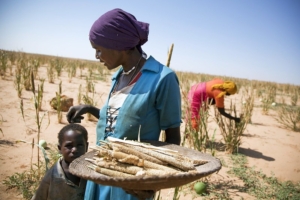 “Bottom-up” development is an approach to international development that places local communities at the center of the process. It empowers communities to identify their own development priorities, make decisions about how to allocate resources and implement projects that meet their specific needs. Bottom-up development builds the capacity of local actors to drive development in their own communities and nations. This approach stands in contrast to traditional “top-down” development, which is driven by outside actors such as governments, aid agencies or large multinational corporations, who typically dictate development agendas and priorities to local communities. Bottom-up development recognizes that local communities best understand their own needs and have valuable knowledge about the challenges and opportunities they face.
Available evidence suggests that when development involves local adaptation and ownership, it is more likely to lead to sustainable differences. According to reports, strengthening civil society is a vital aspect of bottom-up development because civil society organizations (CSOs) can act as intermediaries between communities and external actors such as international aid agencies or government institutions. Civil society comprises a diverse range of organizations that are independent of the government. This may include schools and universities, advocacy groups, professional associations, churches and cultural institutions.
Civil Society Organizations
CSOs play a critical role in promoting sustainable development and addressing social, economic and environmental challenges, often filling in where the government and the private sector fail to act. These organizations are well-positioned to represent the needs and interests of marginalized communities and are a foundational piece for sustainable development and national unity.
Typically, CSOs work in the following ways:
- Providing services and support to marginalized communities, including education, health care and economic empowerment programs.
- Advocating for policy reforms and increased transparency and accountability from governments and other stakeholders.
- Raising public awareness and mobilizing public support for development issues.
- Fostering social innovation and collaboration among stakeholders to identify and address development challenges.
- Supporting the capacity-building of local organizations and communities to drive development from the bottom up.
- Promoting the peaceful and fair resolution of local disputes.
- Increasing involvement in civic and public services by women, girls and other excluded groups.
It is not all talk or theory, as CSOs have made notable impacts around the world. Select examples include supporting vulnerable citizens following civil war in Uganda, helping in the global AIDs and malaria crises, sustaining democracy in Nigeria and reducing corruption in India.
Barriers to Civil Society Development
- Lack of funding: CSOs face a host of issues, such as a lack of funding and resources, limited capacity and government restrictions. Often, CSOs lack direct funding from donor organizations, with as little as 1% of bilateral aid going directly to CSO funding. Donors also tend to use CSOs as implementers instead of providing core funding for the organizations. For instance, out of the United States foreign aid budget, only about 15% went to funding CSO development objectives. Moreover, using local CSOs merely as implementers reinforces a paternalistic vision of development that prioritizes Western expertise over local expertise.
- Lack of required skills: CSOs may lack the required skills and capacity to carry out their work effectively. This can include skills in areas such as fundraising, program design and management, monitoring and evaluation and advocacy. Historically, CSOs have emphasized setting goals, defining objectives and acquiring the resources needed for growth and sustainability.
- Government threats: CSOs in numerous countries encounter government threats that impede operational effectiveness and autonomy. These threats encompass a range of obstacles, including legal constraints such as burdensome registration procedures, onerous reporting obligations and restrictions on foreign funding. Additionally, political pressures like harassment, intimidation, defamation and physical violence targeting CSO members and activists further compound the challenges. Moreover, economic hardships such as inadequate financial assistance, burdensome taxation, and asset seizures exacerbate the situation. Consequently, these threats foster an inhospitable environment for civil society, undermining its potential to contribute to democratic progress and social equity.
Breaking Through the Barriers
Key ways the international community can strengthen civil society to break through the barriers include:
- Providing financial and technical support to CSOs to enhance their capacity, sustainability, and advocacy skills
- Engaging in dialogue and partnership with CSOs to amplify their voice and influence in policymaking and implementation
- Promoting an enabling legal and regulatory environment for CSOs to operate freely and independently
- Protecting and defending CSOs from harassment, intimidation, and violence by governments or other actors
- Raising awareness and mobilizing public support for the role and value of civil society in development and democracy
What’s Next?
By prioritizing local communities and empowering them to drive their own development, the bottom-up approach holds promise for sustainable change. And CSOs play a vital role in promoting development, addressing challenges and advocating for marginalized communities. Increased financial and technical support, among other efforts, are crucial steps toward strengthening civil society and unlocking its full potential in driving positive change.
– Andrew Giganti
Photo: Flickr
