The Ugandan Entrepreneur Turning Waste into Water
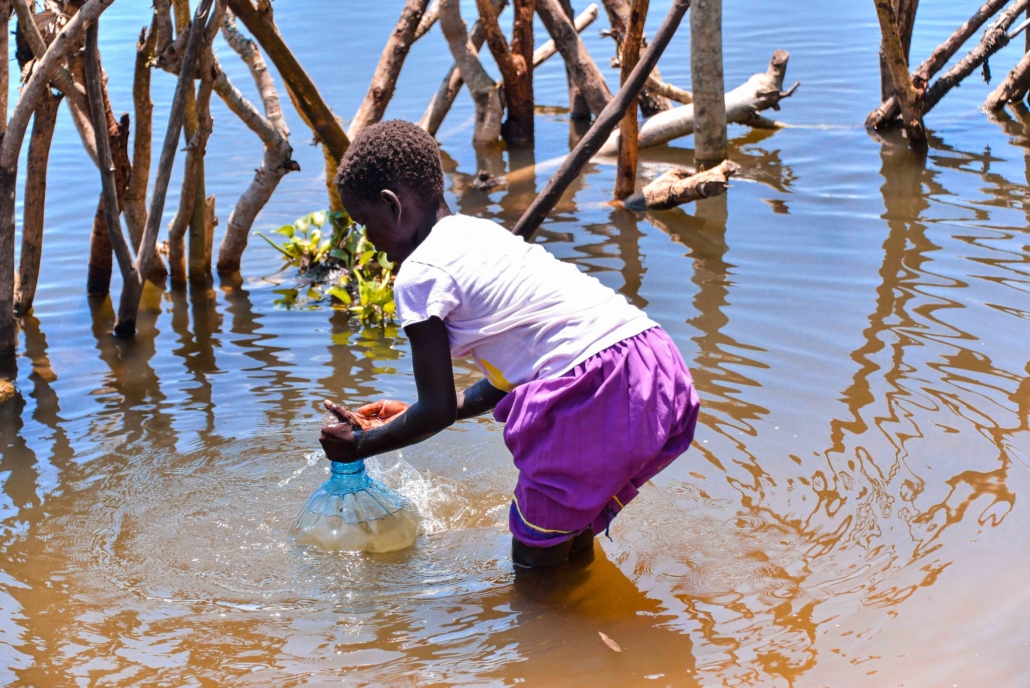
Uganda has experienced 20 years of economic growth and population relocation. Many Ugandan people have chosen to move from remote regions to areas around big towns and cities. Significant population growth has resulted in Uganda’s water supply and sanitation services facing exceptionally high demand. Limited supply and high demand mean that Uganda’s urban population faces high costs for access to water. Moreover, Ugandans that still live in rural areas continue to embark on long walks to collect water for their households. In light of this, a Ugandan entrepreneur, Timothy Kayondo, is turning waste into water. The following is a brief look into water quality and sanitation in Uganda.
Four Facts About Water Quality and Sanitation in Uganda
- Uganda has a population of 45 million people and 83% of the population do not have access to a clean and reliable source of drinking water.
- About 7 million people in Uganda, or around 17% of the population, do not have access to adequate sanitation facilities.
- Approximately 32% of Ugandans have to embark on a journey of more than 30 minutes to gain access to water that is not suitable for drinking.
- Roughly 19% of Uganda’s population only possess access to streams, ponds and hand-dug wells, all of which lack the necessary filtration to make the water safe to drink.
The Cost of Access to Water
Water.org has estimated that 72% of Uganda’s population “lives on less than $3.20 a day.” People living in the urban areas of Uganda use up to 22% of their income on maintaining access to water. A significant allocation of wages toward water access means that Ugandan households have less disposable income for other life necessities. Subsequently, it becomes challenging for the disadvantaged groups in Uganda’s population to break the current cycle of poverty.
Eco Water Purifier
In 2019, Timothy Kayondo demonstrated the Eco Water Purifier at the Global-NAMRIP’s conference in Uganda. Kayondo’s product serves as a solution to Uganda’s current water crisis. The Eco Water Purifier filters waste products such as animal bones and cassava peels to produce clean drinking water. The process involves the waste being “cleaned, fired in a vacuum-sealed furnace, soaked in acidic solution, washed in distilled water and then crushed into activated carbon.” The filter runs entirely off solar panel energy and has the capacity to purify up to 300 liters of water within the space of an hour.
Timothy Kayondo’s invention is affordable, portable and will be made accessible to all income demographics in the local population. However, public facilities, remote schools and clinics will be the main beneficiaries of the Eco Water Filter. As recognition of his achievement, Timothy Kayondo received the Africa Prize 2021 Alumni Grant. The grant was worth $19,700 and acknowledges the need to help “ambitious African innovators develop scalable engineering solutions to local challenges.”
Looking Ahead
Uganda’s struggle with access to drinkable water remains rife. However, efforts from individuals like Ugandan entrepreneur Timothy Kayondocontinue to highlight the need for effective and sustainable action against Uganda’s water crisis. The Eco Water Purifier provides an inventive solution that is most importantly accessible to those living in poverty. With time, the Eco Water Purifier can potentially become a long-term solution for Uganda’s water problems.
– Jennifer Preece
Photo: Flickr
