Free Money to Decrease Poverty in Africa
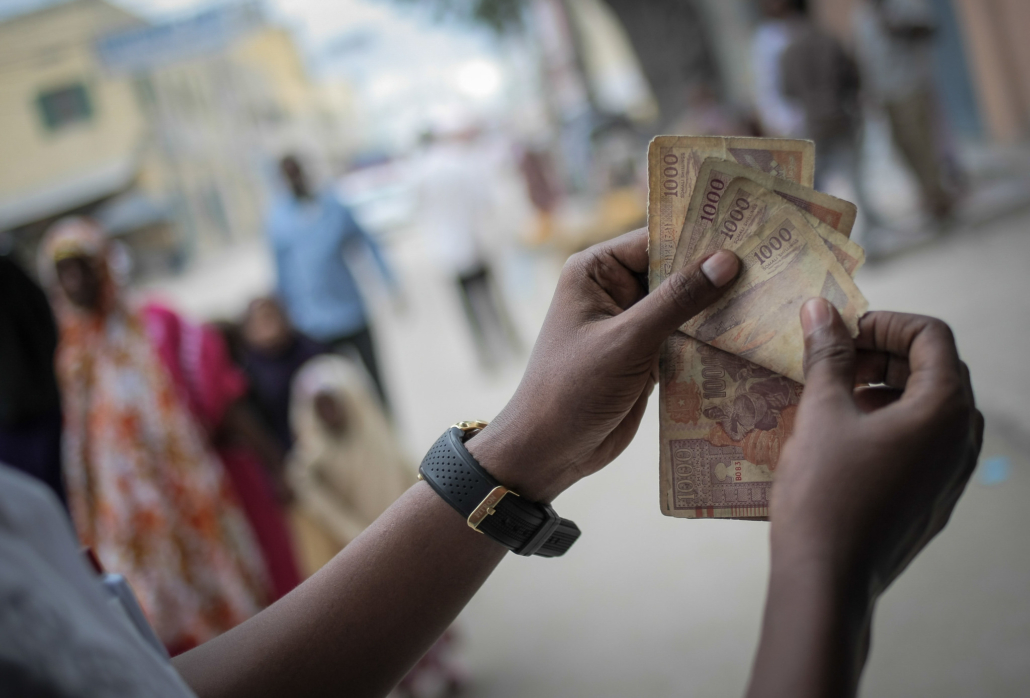
In order to combat poverty in Africa in 2012, the government of Niger began giving monthly payments to more than 100,000 families in poverty. A payment of approximately 9880 XOF ($16 USD) went into their bank accounts every month for two years, which more than doubled each household’s usual budget. The government opted to conduct this experiment based on past trials that proved that receiving sums of money was extremely helpful to households in poverty. The outcome of this experiment was that, when individuals in poverty received free money, they had more time and were able to find productive ways to spend it.
Experiments in Universal Basic Income (UBI)
Today, this experiment has become a precursor to more than 200 trials in 75 countries to provide monetary support to those in poverty. These science-backed trials began in the 1990s, where researchers randomly distributed different types of payment (i.e. credit for a textbook or direct cash) in order to gain a deeper understanding of the effects of each type of payment that every household will find most beneficial. This proposal became “universal basic income” (UBI), where households of a given country consistently receive a set amount of money on top of their current wage. Economist Tavneet Suri explains that this extra income “can [allow individuals to] invest in riskier things because they have their basic needs taken care of.”
These experiments are similarly occurring in Kenya, where the charity GiveDirectly is funding a monthly allowance of 2,250 Kenyan shillings to more than 21,000 people. Each individual receives a phone that dings on the first day of the month to alert them that money went into their account–and it will continue to ding for 12 more years.
GiveDirectly
GiveDirectly is a nonprofit organization that began in 2009 with the purpose of sending money directly to those who need it via their phone, focusing on Kenya, Uganda and Rwanda. It is working to end the stigma that people in poverty use money that they receive for alcohol, and instead provide evidence that this money creates a more productive society. Since its conception, GiveDirectly has given more than $580 million to 1 million individuals in poverty.
Measurable Outcomes of UBI in Africa
Science has proven that providing a steady income for those in poverty is extremely beneficial. Not only do they become more productive, but they are able to work and enjoy their time without worrying about choosing if they will pay rent or eat. Here are some examples of why this tactic has been extremely beneficial when confronting poverty in Africa.
- More children have been able to stay in school because of their eliminated need to work for their family’s income, allowing them to stay in school and complete their education.
- A steadier income allows for more risk and creativity, like opening a business.
- Mental health is improved not only from the lack of stress regarding fulfilling one’s basic needs, but more citizens are also able to afford health insurance.
- Many countries saw a rise in child vaccination following the implementation of UBI, along with healthier babies being born.
UBI could be one of the largest stepping stones to ending poverty if more countries take interest in it, already showing its effect on poverty in Africa in multiple different countries. With the implementation of this proposal, countries could find themselves with a healthier, happier and more educated population.
– Aspen Oblewski
Photo: Flickr
