World Bicycle Relief: Switching Gears on Rural Development
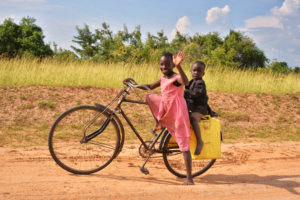
In 2018, sub-Saharan Africa accounted for two-thirds of the global population living in extreme poverty. Although the poverty rate across the region decreased by 1.6% from 2015 to 2018, the benefits of improved infrastructure, education and health care have not reached those living in rural areas without safe and easy transport systems to access essential services and opportunities. World Bicycle Relief works to lessen this disadvantage by providing bicycles to members of rural communities in sub-Saharan Africa. Founded in 2005 by F.K. Day and Leah Missbach Day, the organization empowers millions to pull themselves out of poverty.
Gender Equality
World Bicycle Relief places priority on women and girls, with the organization striving for females to account for 70% of bicycle beneficiaries. Girls in sub-Saharan Africa often find that traditional gender expectations for them to take long walks for water and firewood daily, journeys that are sometimes unsafe and increase the risk of assault and harassment, stunt their personal agency. Riding bicycles not only cuts down on time taken for domestic chores but also allows girls to travel to school safely and quickly.
Over the last 10 years, World Bicycle Relief has worked in partnership with the Ministry of Education in Zambia to provide almost 37,000 rural girls with bicycles. A controlled trial found that the bicycles reduced the likelihood of girls dropping out of school by 19%, decreased school absenteeism rates by 28% and reduced school commute times by 33%. Furthermore, experiences of sexual harassment while journeying to school decreased by 22%.
In Kenya, health care workers using World Bicycle Relief-provided bicycles served “88% more patients,” highlighting the importance of effective transport in health and well-being in rural communities.
In a USAID-funded project from 2006-2009, World Bicycle Relief partnered with RAPIDS (Reaching HIV/AIDS Affected People with Integrated Development and Support) to tackle the AIDS crisis in Zambia. The organization gave more than 18,000 bicycles to RAPIDS caregivers, allowing RAPIDS to reach more people and deliver higher quality care due to more frequent visits. Since World Bicycle Relief’s participation in RAPIDS, caregiver retention has risen to 66%, a marked increase from earlier stages.
Rural Economic Development
To ensure that users utilize the bicycles to their best potential, World Bicycle Relief gives each community the responsibility to design and adapt its own bicycle program. The organization’s “field team also helps local leaders establish a Bicycle Supervisory Committee,” which selects each individual bicycle recipient based on factors such as commute time and potential for improved service with a bicycle. Each bicycle recipient “enters into a time-bound term agreement” with the Committee and officially owns the bike upon attainment of specific requirements, such as completing their education, helping to further community development or supplying health or financial services.
In October 2021, USAID announced an allocation of funding of $3.5 million to the Bicycles for Growth Initiative, helping J.E Austin Associates and World Bicycle Relief expand mobility in rural sub-Saharan Africa by facilitating transport through bicycles.
The initiative will support research on “access to bicycles in Ghana, Malawi, Rwanda, Uganda and Zambia,” giving more people the chance to access education, health care services and opportunities for income generation.
– Imogen Scott
Photo: Flickr
