• Link to X
  • Link to Facebook
  • Link to Instagram
  • Link to TikTok
  • Link to Youtube
  • About
    • About Us
      • President
      • Board of Directors
      • Board of Advisors
      • Financials
      • Our Methodology
      • Success Tracker
      • Contact
  • Act Now
    • 30 Ways to Help
      • Email Congress
      • Call Congress
      • Volunteer
      • Courses & Certificates
      • Be a Donor
    • Internships
      • In-Office Internships
      • Remote Internships
    • Legislation
      • Politics 101
  • The Blog
  • The Podcast
  • Magazine
  • Donate
  • Click to open the search input field Click to open the search input field Search
  • Menu Menu
Blog - Latest News
Global Poverty

Examining Poverty in Argentina 
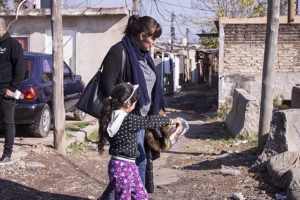
Poverty in Argentina
Currently, 37% of people live below the poverty line in Argentina and are struggling due to the inconsistency of prices and jobs from inflation and changes in unemployment. Poverty in Argentina affects over 17 million people in the country, learn more about the unique struggles in Argentina.

Historic Inflation and Recent Economic Disaster

Argentina has felt the effects of intense inflation since the 1980s, but in recent months has seen record increases in these rates. The year-on-year inflation rate is the highest it has been in the past 30 years, exceeding 60 points, according to Peoples Dispatch. This increase has hurt those in the lowest income bracket the most, but the poverty rate is on the rise. It is estimated that 2,800 people are forced into poverty every day.

Despite that alarming amount, economists predict more could be hurt as the inflation rate could reach 90% by the end of 2022. The instability of inflation has made prices different on a variety of items that change weekly. This hurts those struggling to afford groceries and other necessities. The recent economic instability is a huge threat to those living in Argentina.

Unemployment, the Working Poor and the COVID-19 Pandemic

World events, such as the COVID-19 pandemic further impacted poverty in Argentina. The poverty rate hit between 46% and 47% towards the end of June 2020, at the height of the COVID-19-induced shutdown. The high poverty rate was due in part to the 3.5 million jobs lost during the pandemic. In 2020, the poverty rate related to an income of 14,718 pesos, or $193, per month.

The unemployment rate dropped to 7% at the beginning of 2022, however, the poverty rate includes 28% of Argentinians who hold jobs. The research found that from 2018 to 2022 that due to inflation and a combination of currency devaluation wages lost 20% of their purchasing power. The increase in unemployment during the pandemic increased the poverty rate, but as the unemployment rate decreased, the poverty rate did not.

The effects of outside events, like war or pandemics are global, but Argentina’s sensitive economy sees drastic changes easily. Changes in habitable actions and consumption also show the increase in poverty. For example, in 2021, Argentinians consumed the lowest amount of beef per capita (47.8 kilos) since the 1920s, Peoples Dispatch reported. The changes in unemployment and the increase in the working poor are changing poverty in Argentina.

The Future of Poverty in Argentina

The IMF began working with the Argentinian government in May 2018 and has a plan to help those most at risk. This calls for actions like the central banks to be independent and protect social spending. Those in poverty in Argentina need help since they are sinking even deeper into poverty.

Additionally, in May 2022, the Total Basic Food Basket increased by 4.6%. This means that a family of two adults and two children in Greater Buenos Aires must require an income of 99,677 pesos (or $796) per month to stay above the poverty line, according to Peoples Dispatch. This increase shows how difficult it is to survive in Argentina due to the fickle movements of the economy.

Changing economy and the socioeconomic inequalities that often affect employment rates further complicate poverty in Argentina. The recent increase in inflation implies there is a strong need for stability to save those falling below the poverty line every day.

– Ann Shick
Photo: Wikipedia Commons

September 11, 2022
Share this entry
  • Share on Facebook
  • Share on X
  • Share on WhatsApp
  • Share on Pinterest
  • Share on LinkedIn
  • Share on Tumblr
  • Share on Vk
  • Share on Reddit
  • Share by Mail
https://borgenproject.org/wp-content/uploads/borgen-project-logo.svg 0 0 Jennifer Philipp https://borgenproject.org/wp-content/uploads/borgen-project-logo.svg Jennifer Philipp2022-09-11 07:30:312022-09-08 10:06:48Examining Poverty in Argentina 

Get Smarter

  • Global Poverty 101
  • Global Poverty… The Good News
  • Global Poverty & U.S. Jobs
  • Global Poverty and National Security
  • Innovative Solutions to Poverty
  • Global Poverty & Aid FAQ’s
Search Search

Take Action

  • Call Congress
  • Email Congress
  • Donate
  • 30 Ways to Help
  • Volunteer Ops
  • Internships
  • Courses & Certificates
  • The Podcast
Borgen Project

“The Borgen Project is an incredible nonprofit organization that is addressing poverty and hunger and working towards ending them.”

-The Huffington Post

Inside The Borgen Project

  • Contact
  • About
  • Financials
  • President
  • Board of Directors
  • Board of Advisors

International Links

  • UK Email Parliament
  • UK Donate
  • Canada Email Parliament

Get Smarter

  • Global Poverty 101
  • Global Poverty… The Good News
  • Global Poverty & U.S. Jobs
  • Global Poverty and National Security
  • Innovative Solutions to Poverty
  • Global Poverty & Aid FAQ’s

Ways to Help

  • Call Congress
  • Email Congress
  • Donate
  • 30 Ways to Help
  • Volunteer Ops
  • Internships
  • Courses & Certificates
  • The Podcast
Link to: Jal Jeevan Mission Provides Rural India with Clean Water Link to: Jal Jeevan Mission Provides Rural India with Clean Water Jal Jeevan Mission Provides Rural India with Clean Water Link to: Elderly Poverty in India  Link to: Elderly Poverty in India  Elderly Poverty in India 
Scroll to top Scroll to top Scroll to top