How Oxfam is Creating a Fair Fashion Industry
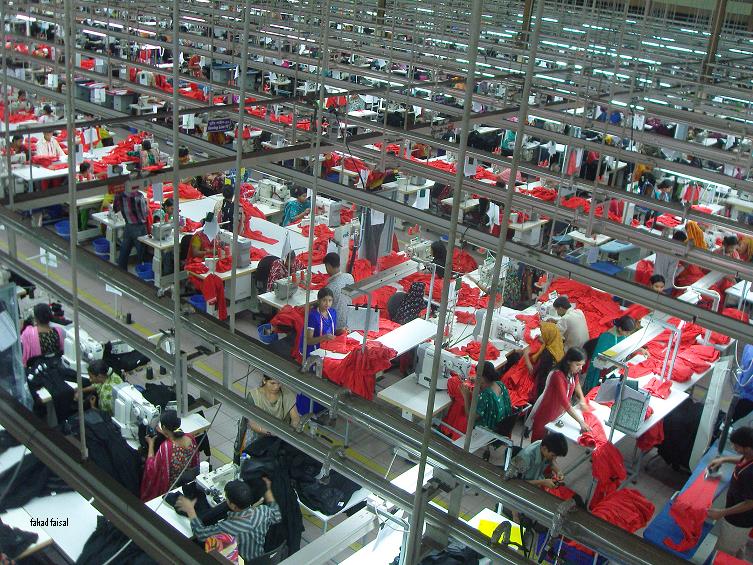
In 2019, an Oxfam report exposed the conditions of workers who were making clothes for the Australian fashion industry. The report showed that these workers, predominantly women in Bangladesh and Vietnam, were making wages as little as 51 cents per hour. Oxfam is taking action to spread awareness, create a fair fashion industry and ensure that these women receive a living wage.
Poor Wages for Workers
The 2019 report interviewed nearly 500 women making clothes for the Australian fashion industry. It concluded that they often do not make enough money to meet their basic needs. Nine of 10 workers in Bangladesh cannot afford to feed themselves and three quarters cannot afford medical treatment.
In Vietnam, more than half of workers cannot afford medical treatment and three-quarters of workers cannot afford to make ends meet in general. The report found that the workers are making clothing for major brands that Australians enjoy wearing.
Oxfam’s Initiatives
As a result, Oxfam is campaigning to create a fair fashion industry. The nonprofit’s campaign, What She Makes, has taken several steps to secure appropriate living wages for those workers making some of the continent’s most beloved brands.
Oxfam Australia spreads awareness by publishing reports detailing the relationship between major brands and their underpaid workers overseas. There have been four reports since 2017. The most recent one is Shopping for a Bargain, which anyone can download for free. It outlines price negotiation, poor management of orders and other practices to help keep wages low.
Another way Oxfam is campaigning to create a fair fashion industry is by publishing its Naughty or Nice List. The list shows how different brands have fared in regards to paying workers. It ranks companies in order, using a sliding scale ranging from being transparent, making a commitment, separating labor costs and ultimately paying a living wage.
The Naughty or Nice List did not list any companies as paying a living wage. However, a number of companies, including fashion giant H&M, have separated labor costs. Even more brands such as Target, Kmart and Cotton On have made commitments to fair pay while others such as Zara have yet to make a commitment.
Oxfam is campaigning to create a fair fashion industry by appealing to private citizens. While the nonprofit does not advocate for boycotting any specific brands, Oxfam involves people by asking them to sign a pledge. This demands that Australia’s major brands pay workers making their products a living wage. The nonprofit reports that because of the public’s push for transparency, 14 major brands have published their factory locations online in the past three years.
Signs of Progress
Oxfam’s campaign is not without adversity. COVID-19 has slowed the global supply chain, cutting employment and leaving many workers without severance pay. However, many companies have made clear commitments to pay workers living wages. In January 2021, H&M’s regional manager for Bangladesh made an argument to increase workers’ minimum wage and stated that the Swedish retailer had paid more for garment items the increase of wages.
In the past, protests over low wages in Bangladesh have resulted in retaliatory dismissals, blacklists and even criminal charges. However, Oxfam’s campaign to create a fair fashion industry, coupled with other nonprofit work and public opinion may be a step in a different direction.
– Richard J. Vieira
Photo: Wikipedia Commons
