The “Great Green Wall” Refugee Camp in Cameroon
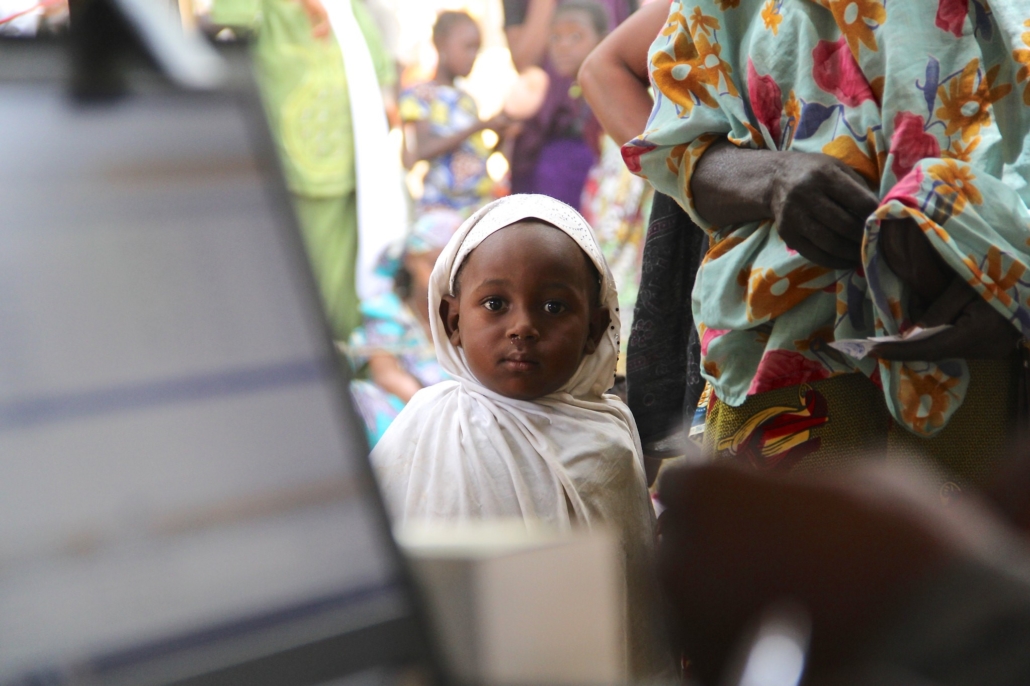
Refugees in Northern Cameroon have “planted 360,000 seedlings” since 2018 to combat desertification in the Minawao refugee camp. The refugees grew the “Great Green Wall” with help from their host communities, the U.N. and the Lutheran World Federation (LWF). The Dutch Postcode Lottery funded the project with $2.7 million as part of an initiative to plant a continent-wide, 8,000-kilometer barrier of trees to prevent desertification, land degradation and drought. The Great Green Wall now provides ample shade to refugee families in Minawao, allowing them to grow crops and support themselves with a sustainable food supply.
Education and Execution
The Great Green Wall project began with educating the refugees in Minawao on how to plant seedlings using “cocoon technology,” which Land Life Company developed to protect seedlings against harsh environments. Cocoon technology functions by burying water tanks made of recycled cartons in donut shapes around plants’ roots. As a result, the plants have steady access to water, which the plants receive through a string that connects to the water tank. Knowledge of how to plant and sustain seedlings allowed the refugees in Minawao to plant trees in the area without relying too heavily on outside coordinators for help. With the assistance of LWF and the United Nations, the Cameroonian refugees were able to plant a thriving forest to support crops and life in an area that was once bare and dry.
The Wall’s Impact
More than 70,000 refugees have fled to Minawao since 2014 to escape violence from the militant group, Boko Haram, in Nigeria. When the large groups of refugees first arrived in Minawao, the area’s desertification worsened, largely because refugees cut down the few remaining trees in order to survive. The Great Green Wall project committed to addressing deforestation, desertification and land degradation in the area by planting more than 100 hectares, the equivalent of 250 football fields, of trees. Trees from the Great Green Wall project now provide shade, improve soil quality and attract water, all of which improve the quality of life for the refugees living in Minawao.
Development and Sustainability
The next step in the Great Green Wall project is to expand upon its growth and sustainability. The U.N. and LWF are working together to address challenges that arise, in part through reforestation and raising awareness about how the project and planting processes work. LWF has also created a strategy to promote more sustainable energy sources, including eco-friendly briquettes. Briquettes are energy-efficient and pollution-reducing alternatives to firewood. Many women have found new sources of income because of the eco-friendly charcoal, which they sell to refugees and surrounding communities.
The Great Green Wall project is still in progress, but so far, it has provided better living conditions to thousands of refugees in Minawao, Cameroon. Other countries may look to the project as an example of the benefits that arise from addressing desertification in refugee camps. Sustainable reforestation does not only benefit the environment — it can transform communities, offer economic opportunities and improve quality of life.
– Cleo Hudson
Photo: Flickr
