5 Facts About International Adoption
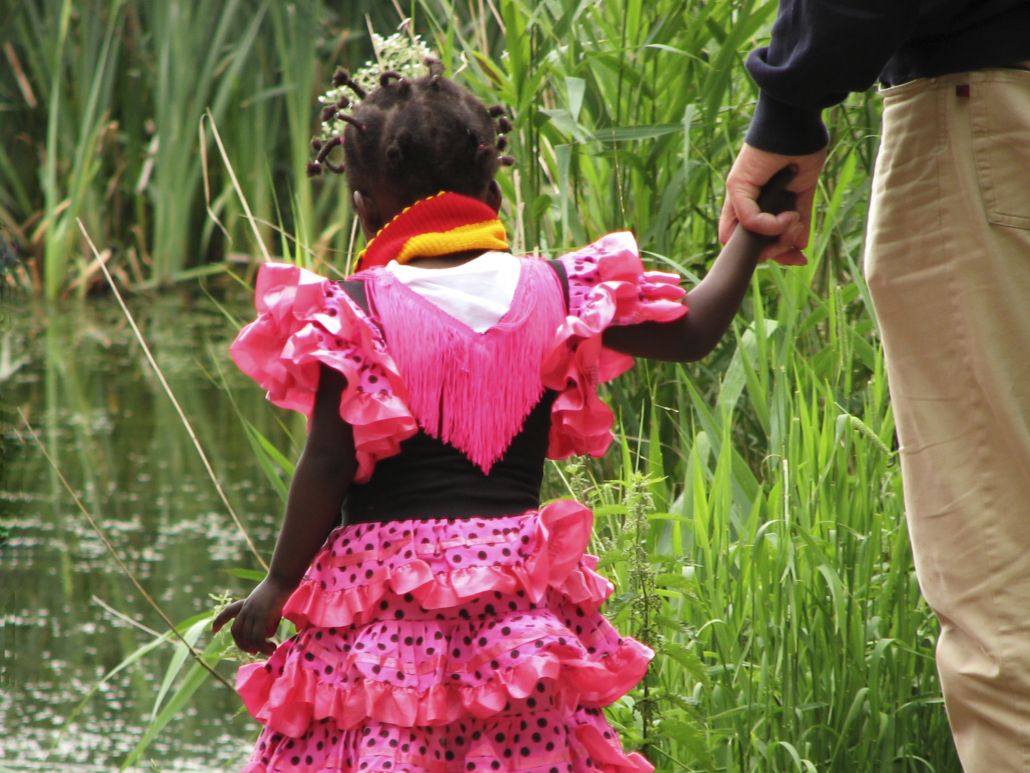
As the U.S. Department of State Bureau of Consular Affairs stated, “Intercountry adoption is the process by which you adopt a child from a country other than your own through permanent legal means and then bring that child to your country of residence to live with you permanently.” International adoption has been an apparent phenomenon between countries since World War I and World War II. This type of adoption developed as an aftereffect of war and migration that made orphaned children more visible to U.S. citizens. The subject of international adoption contains insights arising from scenarios of rooted controversy.
5 Facts About International Adoption
- Intercountry adoption can grant foreign children the chance to escape poverty. It aids small groups of children worldwide to reduce child poverty nationally. Intercountry adoption is a micro-solution for world poverty that primarily affects the adopted child and their community. It is a requirement that countries’ policies and independent agencies respect children’s best interests in regard to adoption.
- International adoption lacks general oversight for children across countries. It exclusively takes place between independent agencies across countries. All agencies have different standards to execute the process of international adoption. Agencies have limited restrictions and additionally do not require accreditation. The lack of efficient governing for this type of adoption opens possibilities including child abuse, homelessness and continued unethical behavior involving a child with adoptive parents.
- Rehoming internationally adopted children is a process that is becoming a commonality surging through the U.S. for unwanted children. It leads children open to becoming once again impoverished or without a parent if there are no other means of adoption. It also puts the child at a disadvantage of being in a foreign country with less familiarity with the culture.
- Some international adoption practices receive classifications as child trafficking. This is because of the exchange of a child from an impoverished country to a rich country. For instance, there are records of children being adopted abroad and stolen from their birth parents. However, often the parents who fall victim to this crime do not have the money nor means to launch an investigation. Practices of this variety vary based on the validity and policies of specific adoption agencies.
- International adoption has declined by over 72% since 2005. Some key reasons are the misrepresentation of impoverished children, child abuse and humiliation. Nearly half of international adoptions happen for parents in the United States. Multiple claims of child abuse and exploitation of impoverished children occur within the United States. As a result, countries have improved ways to execute the process of international adoption. Cost is a significant restriction affecting international adoptions, which reaches at least $20,000 for a child.
What People Know Today
The process of international adoption is currently undergoing a reform that lowers the overall rate of abuse toward those children. More exploitative cases of intercountry adoptions happen where impoverished, kidnapped and orphaned children in their own countries are advertised solely for monetary gain. While the demand for intercountry children is still high, the supply still exists but is significantly more controlled than before 2005.
– Trever Lloyd
Photo: Flickr
