Addressing Period Poverty in New Zealand Schools
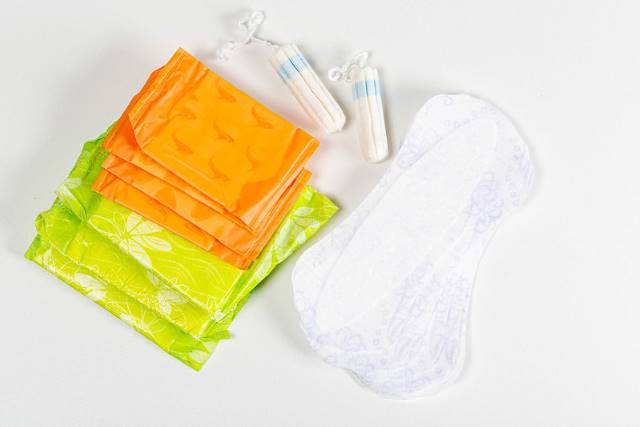 On February 18, 2021, New Zealand prime minister, Jacinda Ardern, and associate education minister, Jan Tinetti, announced that all schools in New Zealand will offer free menstrual products starting in June 2021, expanding on a pilot program that started in 2020. This announcement aligns with the country’s Child and Youth Wellbeing Strategy and is a major step toward eliminating the barriers created by period poverty in New Zealand.
Child and Youth Wellbeing Strategy
The New Zealand government’s Department of the Prime Minister and Cabinet (DPMC) launched the Child and Youth Wellbeing Strategy on August 29, 2019, with the vision of New Zealand becoming “the best place in the world for children and young people” to reach their full potential.
The six expected outcomes of this strategy are for children and young people to feel loved and safe, meet their material needs, be physically and mentally healthy, have access to education, receive acceptance for who they are and develop a sense of autonomy. These outcomes stem from the principle that children and young people are intrinsically valuable human beings with rights that must be respected. Furthermore, individuals and communities should act together as early as possible to promote the multifaceted well-being of children and young people.
Addressing Period Poverty in New Zealand
New Zealand’s free menstrual product program in schools aligns with the Child and Youth Wellbeing Strategy because period poverty is a significant barrier to a young person’s education. Prime Minister Ardern points to research showing that approximately one in 12 young people in New Zealand miss school because of being unable to manage their menstruation. Tinetti notes that many students who have their period while in school face embarrassment, stigma and discomfort and risk missing classes or not having the proper menstrual hygiene products.
Research from the New Zealand charity, KidsCan, found that up to 20,000 students at the primary, intermediate and secondary levels were at risk of period poverty. Globally, the COVID-19 pandemic highlights and exacerbates challenges associated with period poverty, including the lack of access to water, sanitation and hygiene (WASH) infrastructure and inadequate access to menstrual education as well as disrupted access to menstrual products.
The government’s new program expands on a pilot program that started in 2020 in which the government provided free menstrual products to more than 3,000 students in 15 schools in the Waikato region, located in northern New Zealand. Government officials used the feedback from the successful pilot program to inform its approach, with Tinetti noting that students wanted more information about the different kinds of menstrual products and how to manage their periods.
Other Period Poverty Programs
Private sector initiatives are also responding to period poverty in New Zealand by providing free menstrual products. For example, The Warehouse, one of the largest retailers in New Zealand, partnered with The Period Place to set up menstrual product donation boxes in several of its locations and provide free menstrual products in its store restrooms.
The Period Place is a New Zealand-based advocacy group whose vision is for New Zealand to be the first country to achieve period equity by 2030 in alignment with the Sustainable Development Goals.
Positive Periods is a coalition of 25 period poverty advocacy groups in New Zealand that advocate for the provision of free menstrual products in schools. In 2019, it released a discussion paper highlighting period poverty in New Zealand and its effect on educational outcomes. It also circulated a petition calling for free menstrual products in schools, which received more than 3,000 signatures.
The Road Ahead
Period poverty in New Zealand is an issue that affects the health and well-being of thousands of girls and women. The government’s free menstrual product program in schools is an important step toward ensuring that all girls and women can pursue an education and manage their menstruation with dignity.
– Sydney Thiroux
Photo: Flickr
