The Benefits of the AfCFTA for the African Economy
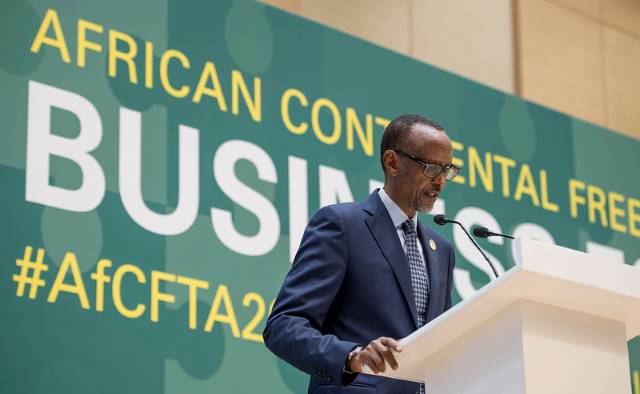 Trading within the African Continental Free Trade Area (AfCFTA) finally took effect on January 1, 2021. The AfCFTA is the world’s largest trading area since the establishment of the World Trade Organization with 54 of the 55 countries of the African Union (AU). The AfCFTA was established by the African Continental Free Trade Agreement signed in March 2018 by 44 AU countries. Over time, other AU countries signed on as the official start of trading under the provisions of the agreement approached. The AfCTFA is projected to create opportunities and boost the African economy. By facilitating this intra-African trade area, the international community expects sustainable growth and increased economic development.
The Implementation and Benefits of the AfCFTA
- Creating a Single Market. The main objective is to create a single market for goods and services to increase trading among African nations. The AfCFTA is tasked to implement protocols to eliminate trade barriers and cooperate with member states on investment and competition policies, intellectual property rights, settlement of disputes and other trade-liberating strategies.
- Expected Economic Boost and Trade Diversity. UNECA estimates that AfCFTA will boost intra-African trade by 52.3% once import duties and non-tariff barriers are eliminated. The AfCFTA will cover a GDP of $2.5 trillion of the market. The trade initiative will also diversify intra-African trade as it would encourage more industrial goods as opposed to extractive goods and natural resources. Historically, more than 75% of African exports outside of the continent consisted of extractive commodities whereas only 40% of intra-African trade were extractive.
- Collaborative Structure and Enforcement. All decisions of the AfCFTA institutions are reached by a simple majority vote. There are several key AfCFTA institutions. The AU Assembly provides oversight, guidance and interpretations of the Agreement. The Council of Ministers is designated by state parties and report to the Assembly. The Council makes the decisions that pertain to the Agreement. The Committee of Senior Trade Officials implements the decisions of the Council and monitors the development of the provisions of the AfCFTA. The Secretariat is established as an autonomous institution whose roles and responsibilities are determined by the Council.
- Eliminating Tariffs. State parties will progressively eliminate import duties and apply preferential tariffs to imports from other state parties. If state parties are a part of regional trade arrangements that have preferential tariffs already in place, state parties must maintain and improve on them.
- Settling Trade Disputes. Multilateral trading systems can bring about disputes when a state party implements a trade policy that another state party considers a breach of the Agreement. The AfCFTA has the Dispute Settlement Mechanism in place for such occasions which offers mediated consultations between disputing parties. The mechanism is only available to state parties, not private enterprises.
- Protecting Women Traders. According to UNECA and the African Trade Policy Centre, women are estimated to account for around 70% of informal cross-border traders. Informal trading can make women vulnerable to harassment and violence. With the reduced tariffs, it will be more affordable for women to trade through formal channels where women traders will not have to put themselves in dangerous situations.
- Growing Small and Medium-Sized Businesses. The elimination of import duties also opens up trading activities to small businesses in the regional markets. Small and medium-sized businesses make up 80% of the region’s businesses. Increased trading also facilitates small business products to be traded as inputs for larger enterprises in the region.
- Encouraging Industrialization. The AfCFTA fosters competitive manufacturing. With a successful implementation of this new trade initiative, there is potential for Africa’s manufacturing sector to double in size from $500 billion in 2015 to $1 trillion in 2025, creating 14 million stable jobs.
- Contributing to Sustainable Growth. The United Nations 2030 Agenda for Sustainable Development includes goals that the AfCFTA contributes to. For example, Goal 8 of the Agenda is decent work and economic growth and Goal 9 is the promotion of industry. The AfCFTA initiative also contributes to Goal 17 of the Agenda as it reduces the continent’s reliance on external resources, encouraging independent financing and development.
AfCFTA: A Trade Milestone for Reducing Poverty in Africa
The establishment of the AfCFTA marks a key milestone for Africa’s continental trade system. The size of the trade area presents promising economic development and sustainable growth that reaches all market sectors and participants. Additionally, the timing of the initiative launch is expected to contribute to the alleviation of the pandemic’s economic damages.
– Malala Raharisoa Lin
Photo: Flickr
