• Link to X
  • Link to Facebook
  • Link to Instagram
  • Link to TikTok
  • Link to Youtube
  • About
    • About Us
      • President
      • Board of Directors
      • Board of Advisors
      • Financials
      • Our Methodology
      • Success Tracker
      • Contact
  • Act Now
    • 30 Ways to Help
      • Email Congress
      • Call Congress
      • Volunteer
      • Courses & Certificates
      • Be a Donor
    • Internships
      • In-Office Internships
      • Remote Internships
    • Legislation
      • Politics 101
  • The Blog
  • The Podcast
  • Magazine
  • Donate
  • Click to open the search input field Click to open the search input field Search
  • Menu Menu
Blog - Latest News
Global Poverty

Virginity Tests: Gender Inequality in Pakistan
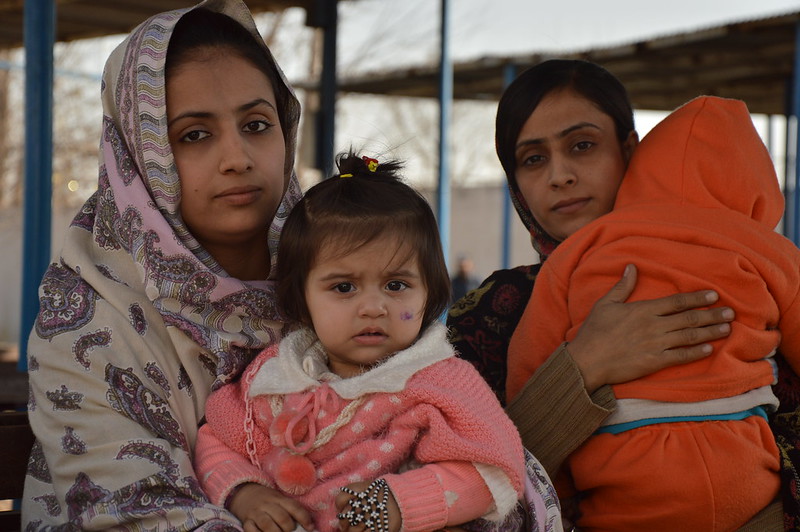
Virginity tests
On January 5, 2021, the Punjab province of Pakistan voted to outlaw the common tradition of virginity tests. The tests involve those conducting them to manually insert two fingers into a woman’s vagina to check for an intact hymen. In the case of victims of rape, a court-appointed medical examiner conducts these tests. Some also refer to virginity tests as the “two-finger test.” According to the World Health Organization (WHO), the test has no scientific basis and is both painful and traumatic. The eradication of these tests marks a momentous advancement towards gender equality in Pakistan.

Pakistan Law

Justice Ayesha A Malik of the Lahore High Court is the first person to order the immediate suspension of these tests. While the procedure is not legally mandated, it was a routine practice in rape cases. According to The News International, reports occur of at least 11 rape cases in Pakistan each day, and victims do not report cases in many instances. Of the 22,000 reports of rape in Pakistan in the last six years, only 0.3% of the perpetrators have received a conviction.

Premarital sex is a crime in Pakistan. As a result, the purpose of the test is to discredit victims based on their suspected sexual history. According to the Humanitarian Response, the procedure tests the laxity of the vagina to determine whether a woman was sexually active before the rape occurred. Furthermore, the outcome of virginity tests has a significant impact on judicial proceedings, with the results often leading to acquittals and a loss of credibility to victims.

Justice Malik states that women suspected of indulging in sexual activities habitually received harsh judgment before the courts, and the courts often discounted their abuse. These tests often have physical, mental and social repercussions. Virginity tests often aggravate injuries that women sustain during the rape. Women undergo exposure to the harmful stigma of dishonor and shame that this trauma brings onto their families.

Gender Inequality

Sahar Bandial, a lawyer in Pakistan, advocated for the establishment of new protocols to protect women from legal abuse and discrimination. The banishment of virginity tests as a means to control women is only the first step in achieving gender equality. Women often have to take a virginity test before marriage and employment. Historically, virginity tests have never had scientific justification. The color of urine, shaping of the nipples or the circumference of a women’s forehead are examples that have forced the taking of such tests.

Gender inequality has been a significant challenge in South Asian countries, with families continuing to commit honor killings throughout these regions. Justice Malik hopes that other provinces will follow the Punjab province in advocating for gender equality throughout Pakistan.

According to the United Nations, the practice of virginity tests has persisted in at least 20 countries today. However, significant developments in the banishment of this invasive practice have occurred. In 2013, India outlawed these tests, followed by Bangladesh in 2018. Although many nations have banned virginity tests, it is still common practice in many regions.

Similar petitions to outlaw virginity tests are pending in other regions. Many people hope that establishing the invalidity of the tests will set precedents in other areas. As more South Asian countries take note of the Lahore case, the gap in gender equality should begin to close.

– Nina Eddinger
Photo: Flickr

January 31, 2021
Share this entry
  • Share on Facebook
  • Share on X
  • Share on WhatsApp
  • Share on Pinterest
  • Share on LinkedIn
  • Share on Tumblr
  • Share on Vk
  • Share on Reddit
  • Share by Mail
https://borgenproject.org/wp-content/uploads/borgen-project-logo.svg 0 0 Yuki https://borgenproject.org/wp-content/uploads/borgen-project-logo.svg Yuki2021-01-31 20:00:112021-04-28 20:00:31Virginity Tests: Gender Inequality in Pakistan

Get Smarter

  • Global Poverty 101
  • Global Poverty… The Good News
  • Global Poverty & U.S. Jobs
  • Global Poverty and National Security
  • Innovative Solutions to Poverty
  • Global Poverty & Aid FAQ’s
Search Search

Take Action

  • Call Congress
  • Email Congress
  • Donate
  • 30 Ways to Help
  • Volunteer Ops
  • Internships
  • Courses & Certificates
  • The Podcast
Borgen Project

“The Borgen Project is an incredible nonprofit organization that is addressing poverty and hunger and working towards ending them.”

-The Huffington Post

Inside The Borgen Project

  • Contact
  • About
  • Financials
  • President
  • Board of Directors
  • Board of Advisors

International Links

  • UK Email Parliament
  • UK Donate
  • Canada Email Parliament

Get Smarter

  • Global Poverty 101
  • Global Poverty… The Good News
  • Global Poverty & U.S. Jobs
  • Global Poverty and National Security
  • Innovative Solutions to Poverty
  • Global Poverty & Aid FAQ’s

Ways to Help

  • Call Congress
  • Email Congress
  • Donate
  • 30 Ways to Help
  • Volunteer Ops
  • Internships
  • Courses & Certificates
  • The Podcast
Link to: The Supportive Work of the European Union in the DRC Link to: The Supportive Work of the European Union in the DRC The Supportive Work of the European Union in the DRC Link to: Affordable Housing In India Is Aiding the Poor  Link to: Affordable Housing In India Is Aiding the Poor  Affordable Housing In India Is Aiding the Poor 
Scroll to top Scroll to top Scroll to top