Mental Health in Palestine: The Hidden Plague
Palestinian refugees and citizens in the Occupied Territories are exposed to a great amount of violence and terror as a result of the Israeli occupation. This exposure has increased the prevalence of mental health disorders such as PTSD, insomnia and even schizophrenia. This article will provide some insight into the mental health issues that are prevalent among Palestinians, the healthcare system and the possible solutions to help facilitate a better mental health response.
The Conditions
Palestinians in the Occupied Territories live in a very volatile and unstable region. Recently, there has been an increase in the awareness of the effects that living through decades of continuous political aggression and violence have on mental health. Mental health disorders amount to one of the largest – but the least acknowledged – health problems in Occupied Palestine. Almost a third of Palestinians are in dire need of mental health interventions. However, mental health services in Occupied Palestine are amidst the most under-resourced fields of healthcare provision.
Palestinians have experienced a series of traumatic events that range from imprisonment and torture to unemployment, house demolitions and land confiscation. All these experiences foster an environment of continuous instability, stress, uncertainty and anxiety, which can dangerously affect mental health.
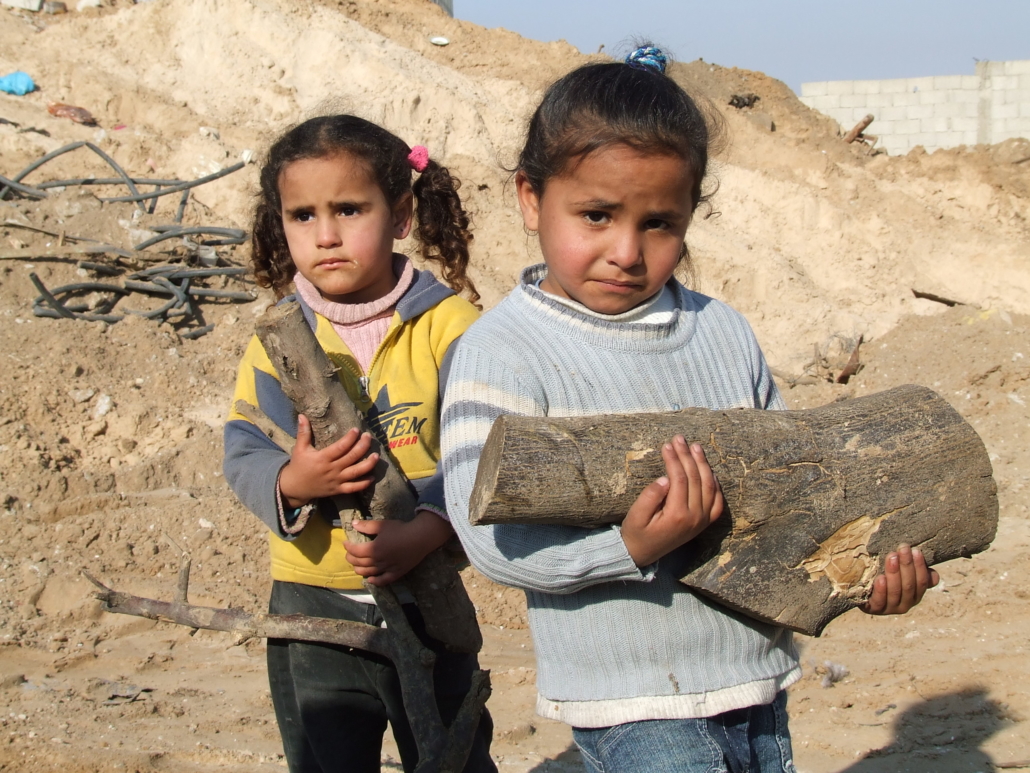
Mental health is a concern for both adults and children in the Occupied Territories. Adults who are exposed to house demolitions exhibit a higher level of anxiety, depression and paranoia. However, the psychological effects of the conditions in Occupied Palestine are especially traumatizing for children. Many injured children have developed severe psychological impairments. The prevalence of behavioral issues and psychopathic symptoms among children is incredibly high. About 32.7% of children in the Gaza Strip suffer from severe levels of PTSD, 49% of children suffer through moderate levels of PTSD and 16% of children suffer from low levels of PTSD.
The Healthcare System
As of now, mental health services in the West Bank and East Jerusalem are provided by both the government and the non-governmental sector. General services are provided by the Ministry of Health but the majority of the system is operated under and funded by humanitarian organizations like UNRWA. There are only 13 community mental health clinics in the West Bank, and one psychiatric hospital in Bethlehem. In 2013, the clinics with outpatient facilities treated over 2400 patients. Of the 2,400 patients, 24.2% were diagnosed with neurotic disorders (PTSD, generalized anxiety disorder and clinical depression) and 12.2 % were diagnosed with schizophrenia.
Generally, mental health services in Gaza and the West Bank are difficult to come by and inconsistent in quality. There is no legislation that addresses mental health and no budget allocated by the Ministry of Health. The region does not have mental health policies or an overview plan to address ongoing care and services for the severely mentally ill and those directly affected by trauma and loss.
What Needs to Be Done
The healthcare system in Palestine relies heavily on humanitarian aid and assistance. However, this funding and aid could easily be subjected to budget cuts from countries like the United States. Currently, the Ministry of Health does not allocate any funds to mental health services.
To effectively address mental health in Palestine, the government must create a fund for mental health services. The government should also promote legislation that addresses mental health. This legislation could include the protection of employment rights for those mentally ill, the integration of mental illness within the education system as well as civil legislation to address the rights to vote or own property.
It is also important for the Ministry of Health and NGOs to work together to create a comprehensive plan that addresses mental health. In collaboration, these organizations can acquire more hospital beds and help hospitals accommodate a greater number of patients. If mental health is made a priority, it can be effectively addressed in the coming years.
– Nada Abuasi
Photo: Flickr
