Disability and Poverty in Bolivia
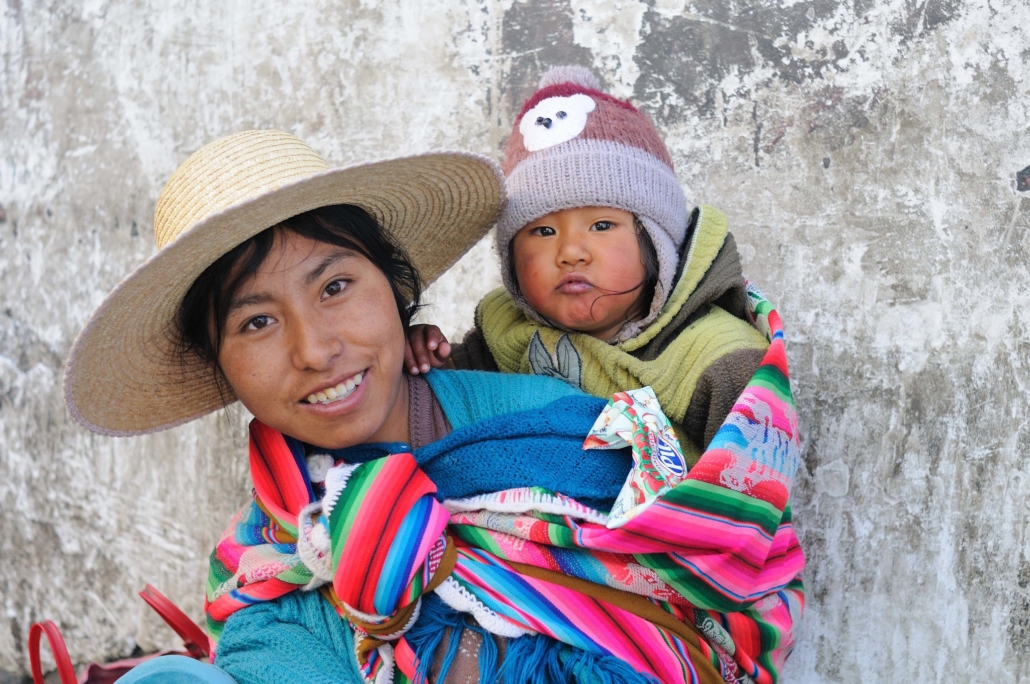
A disability can take many forms; it can impair the senses, inhibit daily routines or completely change one’s quality of life. Although many can be born with a disability, people in impoverished countries may face the issue of developing disabilities later in life due to disease and sickness that do not undergo treatment because treatment is unaffordable. Whether the disability is physical or mental, having a disability can often correlate with future poverty due to difficulty in schooling and an inability to gain employment. Here is some information about disability and poverty in Bolivia.
The Correlation Between Disability and Poverty in Bolivia
In 2018, 10.6% of Bolivia’s population lived on $3.20 USD a day or less. With a population of more than 11 million, a significant number of Bolivians live in poverty. Meanwhile, an estimated 15% of the population has some type of disability.
The term disability is broad due to its application to either physical or mental problems; the 15% of the population covers both since mental and physical disabilities can affect labor force and schooling participation. More than 75% of those with a disability do not participate in schooling in Bolivia. Employers are hesitant to hire given the extensive training and exceptions necessary; a lack of schooling hurts hiring opportunities further. Those with disabilities face lacking or rejected health care and unforgiving employers, and others often misunderstand them in classrooms. Nonetheless, if they cannot find a job, a life in poverty is almost a guarantee. While impairments are quite a struggle individually, those who aim to care for their loved ones struggle too.
The Progress
The Bolivian education system introduced a project called Fe y Alegría Bolivia in 2012 geared towards helping special needs students by creating a more inclusive environment to influence greater school participation in the disabled community. The main issue with this project is funding. While the issue of funding can apply to almost any project, what is missing in the structure of the program is the socialization and conditioning to function not only in the classroom but in society as well.
For instance, as a social experiment, a program referred to as the Accelerated Benefits Demonstration and Evaluation Project emerged in the U.S. for disabled individuals from 2007 to 2009. It offered Medicare as well as counseling to create a smooth transition for disabled individuals into a working society. During its time, the project had notable successes by granting those with disabilities the ability to pay for necessities, a greater inclination to work and increased preparation to work. This project is an excellent model for countries like Bolivia.
Although the project occurred for only a short amount of time, the Accelerated Benefits Demonstration and Evaluation Project demonstrated positives that could apply to foreign countries like Bolivia. A program like this has the potential to significantly reduce the gap in labor participation and increase school attendance in a similar way. Preparing these individuals for daily work would greatly improve their ability to obtain employment, hopefully reducing the correlation between disability and poverty in Bolivia.
– Angela Munoz
Photo: Flickr
