Understanding Fragility, Conflict and Violence
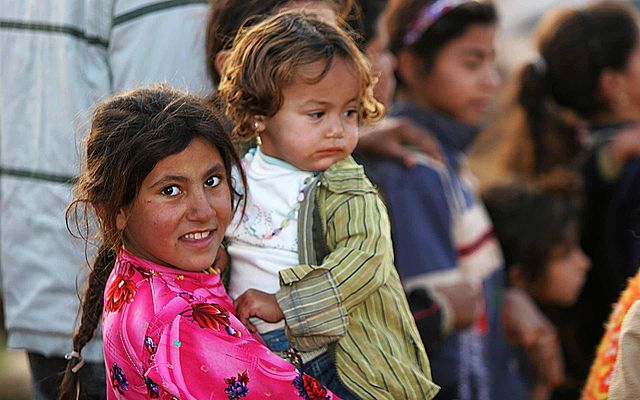 Fragility, conflict and violence (FCV) is among the largest threats to development, continuously putting both low-income and middle-income countries in danger of inescapable poverty. Addressing FCV is a top priority for the World Bank specifically, as the organization considers it an essential problem to solve in order to both end extreme poverty and promote collective prosperity. Alongside other global organizations working towards peace, the World Bank looks to address FCV in the hopes of achieving Sustainable Development Goal 16 for peace, justice and strong institutions.
Understanding Through Numbers
The World Bank estimates that as many as two-thirds of those in extreme poverty could live in FCV environments by the year 2030. Even today, conflict accounts for almost 80% of the world’s humanitarian needs and conflict is estimated to worsen gross domestic product (GDP) growth by two percentage points annually. Sadly, the number of people living close to conflict, which includes those within 60 kilometers of at least 25 conflict-related deaths, has more than doubled since 2007.
As of 2019, almost 80 million people were forcibly displaced as a result of FCV settings. Of that 79.5 million, four out of five of those displaced have been in those conditions for at least five years. And, startlingly, more than two-thirds of all refugees come from just five countries: Syria, Afghanistan, South Sudan, Myanmar and Somalia. Today, all five of these countries face significant fragility, conflict and violence, sparking refugee crises and general instability.
What is Being Done
The World Bank has developed a Fragility, Conflict and Violence Strategy in its IDA19 Special Theme documents. The proposed four pillars in the strategy involve: “pivoting to prevention, remaining engaged in conflict, escaping the fragility trap and mitigating FCV externalities.” Given that the World Bank has tried to reduce FCV conditions in the past, this newly developed strategy is focusing on improving the organization’s response to mitigating risks and is focusing on partnering with a more diverse group of stakeholders.
So far, the World Bank has found mixed success in its efforts to reduce fragility, conflict and violence. In Cameroon, the World Bank shaped the policy of the government to better protect refugees, using its reputation and finances to leverage a stronger policy. In Lebanon, its cash transfer program focused on host communities, making the program more inclusive to even the communities that feel excluded by humanitarian organizations providing aid to refugees. However, while the emergency cash transfer program implemented in Yemen was successful in that it helped millions buy food, the approach was unorganized and many humanitarian efforts overlapped, resulting in duplication and inefficiency.
In today’s world, fragility, conflict and violence stand as one of the largest threats to global peace and stability, for not just low-income countries but middle-income countries as well. The efforts on behalf of the World Bank prove not only that this is an urgent humanitarian issue, but if solved well, these efforts can work to end extreme global poverty.
– Olivia Fish
Photo: Wikimedia Commons
