5 Facts about Poverty in Guyana
 With a population of less than 1 million, Guyana is a country located in the northern region of South America. Guyana’s richness in natural resources including gold, timber and sugar, render its economy highly dependent on its exports, a sector that accounts for more than 60% of its GDP. Guyana’s last official poverty measurement was in 2006. According to the results, 36.1% of the population in the country were living in poverty, including 18.6% that were living in extreme poverty. According to the Guyana Poverty Reduction Strategy of 2011 to 2016, the country has made some progress in poverty levels since 1992. Despite progress, Guyana is one of the poorest countries in South America, which indicates that the country continues to struggle with poverty.
5 Facts about Poverty in Guyana
- The poverty rate is high. According to the Inter-Development Bank (IDB), the poverty rate in Guyana measured as the percentage of people living on less than $5.50, reached 41.2% in 2017. The IDB has also shown that poverty disproportionately affects the country’s rural non-coastal areas where it amounts to more than 50%. The latter statistic denotes significant disparities in poverty concentration along ethnic lines since approximately two-thirds of the Guyanese population living in the rural interior communities are indigenous.
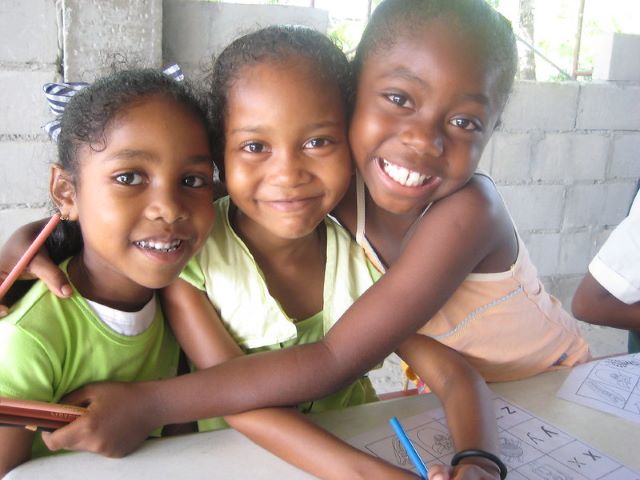
- Poverty greatly affects children and young adults. In terms of age group, Guyanese children are the poorest. Children aged 16 or younger in Guyana face a high poverty rate of 47.5%, while for young adults between the ages of 16 and 25, that figure exceeds 33%. This data potentially indicates the country’s troubled economic standing.
- The emigration of trained or skilled people is problematic. The brain drain of skilled workers in Guyana hinders necessary contributions to developments in various economic sectors such as healthcare. Guyana’s unemployment rate stands at 12%, while the percentage of unemployed youth exceeds 20%, according to a 2017 study. This factor makes it difficult to keep trained professionals in the country.
- Environmental instability affects economic growth. An additional challenge against economic growth in Guyana is related to fluctuations in climate and weather conditions. In addition to gold, sugar and timber, the export of bauxite, shrimp and rice is also a major source of income to this Latin-American nation. Natural disasters such as floods, to which it is highly susceptible, have been responsible for nearly 94% of the negative impact on Guyana’s economy, according to a 2016 UNICEF study.
- Malnutrition seriously affects the indigenous population. Statistics indicate that 25% of indigenous children are stunted, a figure much higher than the national average. Estimates have also determined that 16% of newborn indigenous children in Guyana are underweight (below 2500g at birth).
Although data shows that the moderate poverty rate (people living on $2 per day) had slightly declined, poverty in Guyana continues to cripple the country in vital areas, leaving much to be done to improve the situation. In spite of the country’s natural resources, Guyana does not meet its economic potential. To alleviate the long-term implications of poverty, it is imperative that poverty in Guyana continues to be a focal point of international aid and developmental endeavors.
– Oumaima Jaayfer
Photo: Flickr
