Maternal Healthcare in Algeria: 4 Facts Everyone Should Know
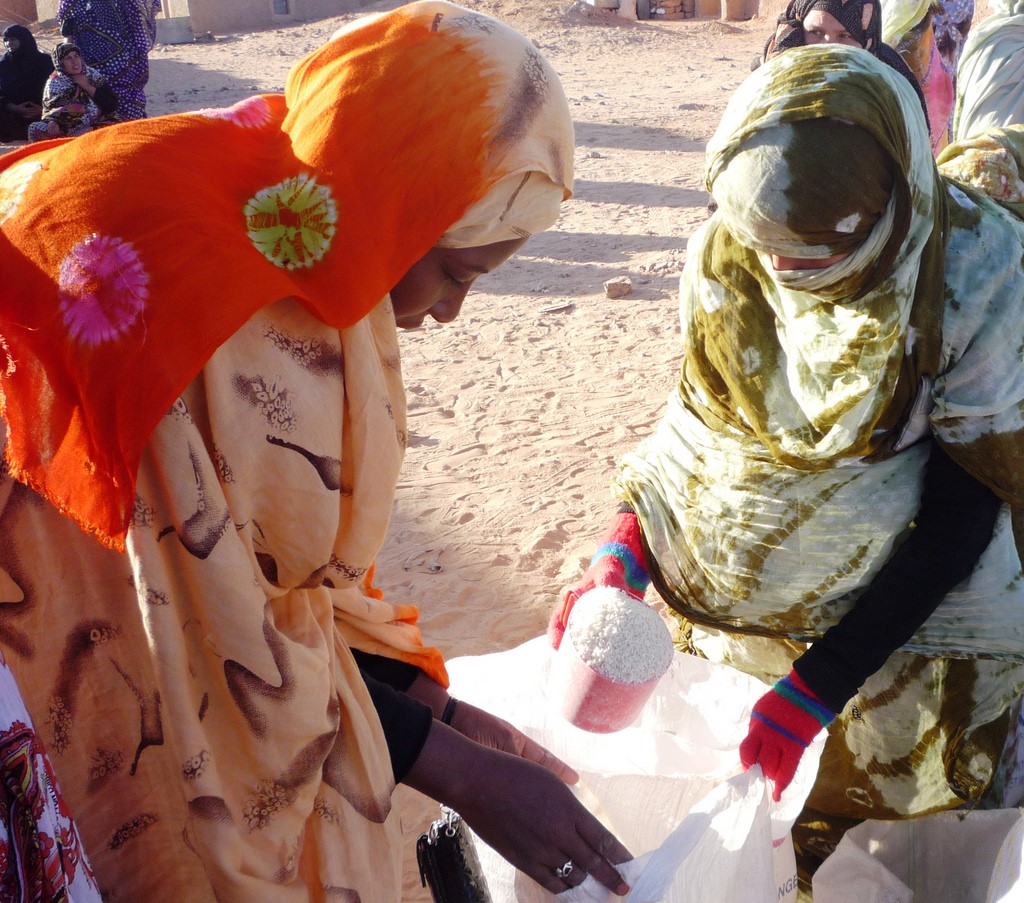
Algeria, a large country in North Africa, bordering the Mediterranean Sea. The country is known for its rich history and culture, as well as its scorching temperatures. Like many nations in Africa, Algeria struggles to combat maternal mortality – a long-standing, persistent issue for many women in the country. However, in the last several years, Algeria has taken numerous steps to expand maternal healthcare and reduce pregnancy and labor complications. Here are four facts about maternal healthcare in Algeria.
4 Facts About Maternal Healthcare in Algeria
- According to recent updates on the maternal mortality ratio in Algeria — it has gradually dropped from 179 deaths per 100,000 live births in 1998 to 112 deaths per 100,000 live births in 2017. Much of the success in lowering the number of deaths is attributed to a multitude of factors such as increased medical training, investments in healthcare and specific government initiatives aimed at reducing maternal deaths. During the years 2009–2017, Algeria trained about 900 professionals from university hospitals such as, Benni Messous, Kouba, Oran and Bab El Oued on multidisciplinary management of pregnancy.
- Within the last couple of years, Algeria has managed to make major investments in healthcare. Algeria managed to increase expenditures in healthcare as a share of GDP from 3.6 % in 2003 to 6.4 % in 2017 — growing at an average annual rate of 4.57%. This is an impressive number when compared with Algeria’s neighboring countries. Moreover, these investments have also helped to establish successful disease detection programs and allowed for improved medical facilities.
- In 2015, the Ministry of Health in Algeria began to work in collaboration with UNICEF in an attempt to implement a neonatal and maternal mortality reduction plan. This plan was implemented with the intention of reducing as many preventable, maternal deaths as possible, with a target of 50 deaths per 100,000 live births by 2019. Additionally, in 2016 the Ministry of Health put forward an emergency maternal mortality rate (MMR) reduction plan. “The goals set by the plan relate to strengthening family planning, improving the quality of healthcare during pregnancy, birth and postpartum.”
- In order to continue the reduction of the maternal mortality rate, the Health Ministry of Algeria held a survey to consolidate the maternal death rate with the technical and financial collaboration of the three U.N. agencies: (UNFPA, UNICEF and the WHO). The objectives of this survey were to reach a consensus on connections between frequent causes of maternal death, update the maternal death rate and cultivate reliable data “for the readjustment of national programs on maternal health and the reduction of preventable maternal deaths for the implementation of Algeria’s ICPD commitments.”
A Leader in Maternal Healthcare
Much work remains in order for Algeria to be able to effectively put an end to preventable, maternal deaths. However, the measures put into practice within the last several years have already proven to be a success. Thanks to these policies, Algeria has become known as a leader in maternal healthcare in North Africa and the country continues to build a strong momentum and infrastructure to fight this problem.
– Shreeya Sharma
Photo: Flickr
