5 Facts About Women’s Rights in Sudan
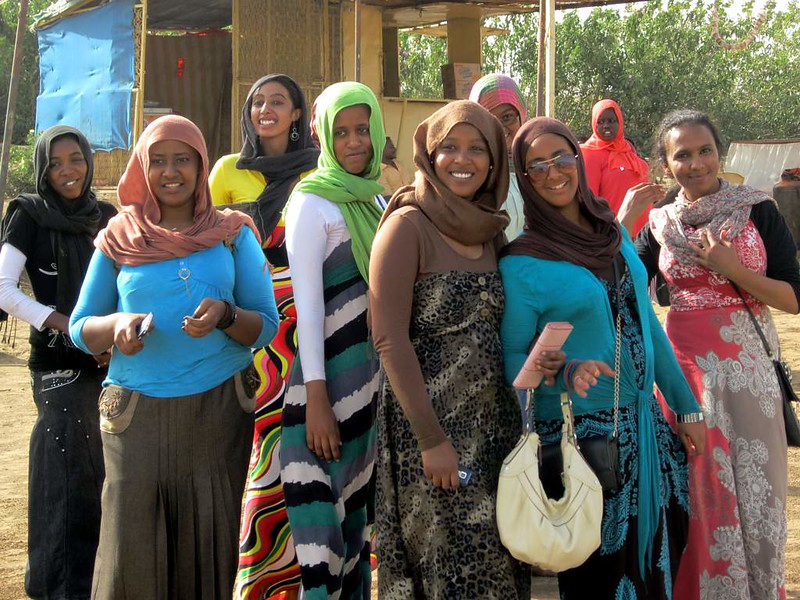
For decades, the subject of women’s rights has been at the forefront of media and politics. While progress has been made, women’s rights in Sudan still lag behind other countries. Women in Sudan are fighting for equal rights amid new legislation such as the Personal Status Law of 1991, which allows child marriages and states that women can only marry if they have consent from a father or male guardian. Here are five facts about the women’s rights movement in Sudan.
5 Facts About Women’s Rights in Sudan
- Women make up 70% of protesters. As women band together to protest against laws and government officials that want to limit women rights, Global Fund for Women estimates that women account for nearly 70% of protesters in Sudan. The women taking part in these protests have labeled their movement “the women’s revolution.” Although many women have been beaten or flogged, they stand strong and continue to protest.
- Many of the laws women are protesting stem from long-lasting traditions. Tradition is important in Sudan’s culture — but tradition does not justify oppressive laws. Laws in Sudan restrict women from wearing pants, enjoying equality and representation in government and escaping child marriage. Modern women demand equal rights; however, rights are difficult to attain when women have a limited voice within government and law.
- Women in Sudan have been fighting for their rights for over 30 years. Under the oppressive rule of dictator Omar al-Bashir, women in Sudan have had to fight for basic equal rights since 1989. While inequality did not start with Al-Bashir, he did support and enforce laws that limit women’s rights. Military and government officials beat, rape and murder women for speaking out against years of abuse and inequality.
- The women’s revolution movement helped overthrow Al-Bashir. In 2019, women refused to stay silent as Sudan began to rise up against Al-Bashir. Even though they had to deal with persecution from the military, women continued to rise up against their oppressors. According to Harvard International Review, protesters such as Alaa Salah and Lina Marwan stood strong to tell their stories of inequality, continuing to protest even after being harassed by Sudanese military officials.
- The “No to Women Oppression Initiative” promises a better future for women in Sudan. As of January 2020, West Kordofan started its first “No to Women Oppression Initiative.” Though currently the only initiative of its kind, this may spark further collaborations between women’s rights organizations across Sudan. These organizations are also continuing to discuss violence against women with Sudan’s government, in hopes of attaining equal rights.
These five facts about women’s rights in Sudan indicate that the country has a long way to go in achieving equal rights for women. But as protests continue and women persist in fighting for their rights, this country can hope for a stronger, more equitable future. Moving forward, it is essential that women in Sudan receive international support for their protests. By working together, conditions for women in Sudan can improve.
– Olivia Eaker
Photo: Flickr
