The Key to HIV Prevention in Sub-Saharan Africa
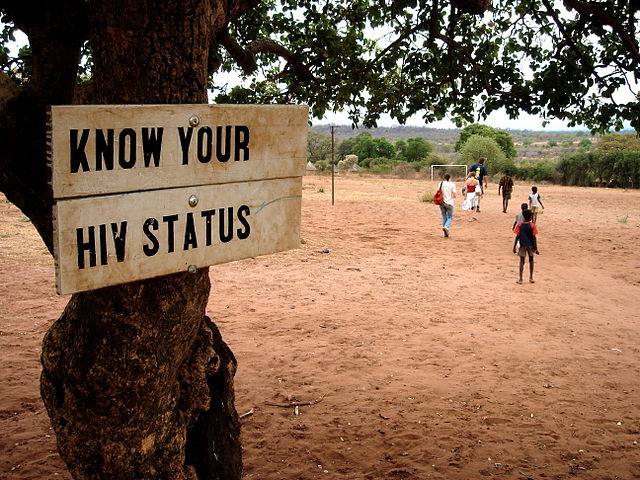 Human Immunodeficiency Virus (HIV) is known to have impacted the world for approximately 40 years. Considering the fact that the virus was equally as aggressive as it was untreatable, first world countries like the United States and France were more able to provide for their citizens. Doctors could properly and continually perform research in order to educate citizens on the virus. Additionally, they could hastily link HIV prevention and methods of protection and treatment. Unfortunately, in sub-Saharan African countries, accomplishing the same feats proves more difficult. Therefore, 66% of newly diagnosed HIV cases worldwide come from sub-Saharan African countries.
HIV/AIDS’s Effect on Africa
Eswatini, Lesotho, Mozambique, parts of South Africa, regions in Zambia, Namibia, Southern Malawi and Kenya are the countries in Africa whose populations have the highest rates of being infected or affected by HIV. In Kenya, only about 30% of sexually active individuals practice safe sex methods. Additionally, only 47.5% of adolescent women could properly identify methods that would prevent them from contracting HIV sexually. With that said, women are at an extremely high risk of contracting HIV in sub-Saharan Africa.
An Increased HIV/AIDS Risk Factor for Women
One of the main factors contributing to women being at a higher risk of contracting HIV in sub-Saharan Africa is that the rate of school attendance is extremely low for girls in sub-Saharan Africa. Girls are more likely to be exposed to social and economic scenarios that could potentially threaten their survival and put them at an increased risk of contracting HIV. Therefore, it is important to increase both the school attendance rate for girls and the amount of sex education offered at school. This would include information on HIV and STI prevention.
Sex Education’s Impact on Adolescent Health and Choices
UNAIDS analyzed a series of studies in order to determine whether or not sex education makes a significant impact on school-aged children’s sexually based decisions. Out of a total of 53 studies, 22 studies showed that, after sex education was implemented, three things changed– individuals waited a longer amount of time to initially have sex, the number of sexual partners per person decreased and the number of unplanned pregnancies and STI diagnoses decreased. Additionally, 27 studies showed that HIV/AIDS rates, alongside overall sexual health, did not improve or worsen the amount of sexual activity, pregnancies or STI rates.
Overall, the results of these studies support the claim that implementing sex education in schools’ curricula is an efficient way to reduce practices that could result in the spread and contraction of HIV/AIDS and other STIs in school-aged children.
Africa’s Implementation of Sexual Education
South Africa has taken the initiative to create and implement a plan for discussing HIV prevention in the school setting. The priorities of this plan include generating attention toward HIV/AIDS for both students and teachers, including information on HIV/AIDS in the school’s curriculum and creating models that display the effects of HIV/AIDS on the school district. This initiative also ensures the protection of students’ and teachers’ constitutional rights and confidentiality about HIV/AIDS status.
Due to these precautions, HIV-positive individuals will not be discriminated against. In order to ensure that the students are learning the best methods of HIV-AIDS prevention, the curriculum will remain up-to-date and teachers will be trained accordingly.
Comprehensive Sexuality Education
Eleven sub-Saharan countries have introduced various courses into their schools’ curricula to educate them on sex education in varying degrees. Rwanda and Zambia adhere to what the United Nations has deemed necessary for students to learn through sex education. These classes fall under the category of “Comprehensive Sexuality Education” (CSE). These classes discuss healthy relationships between genders and how to decrease sexual violence; in addition to sex education in a way that is appropriate for younger children and adolescents. The main objectives of CSE are to teach children:
- to acknowledge their “health, well-being and dignity”
- to create considerate relationships, both sexually and socially
- to analyze their choices and consider how the potential consequences will affect themselves and others
- how to comprehend and protect their rights throughout their lives
Various projects and initiatives throughout the world have provided crucial information pinpointing which countries need HIV prevention through sexual education implementation. The collaboration between many organizations has allowed third world countries to access resources that would be more difficult to achieve independently. Fortunately, the difficult challenges that impoverished countries have faced to prevent the spread of HIV in sub-Saharan Africa are becoming more attainable.
– Amanda Kuras
Photo: Wikimedia Commons
