5 Facts About Natural Disasters and Hunger in Nepal
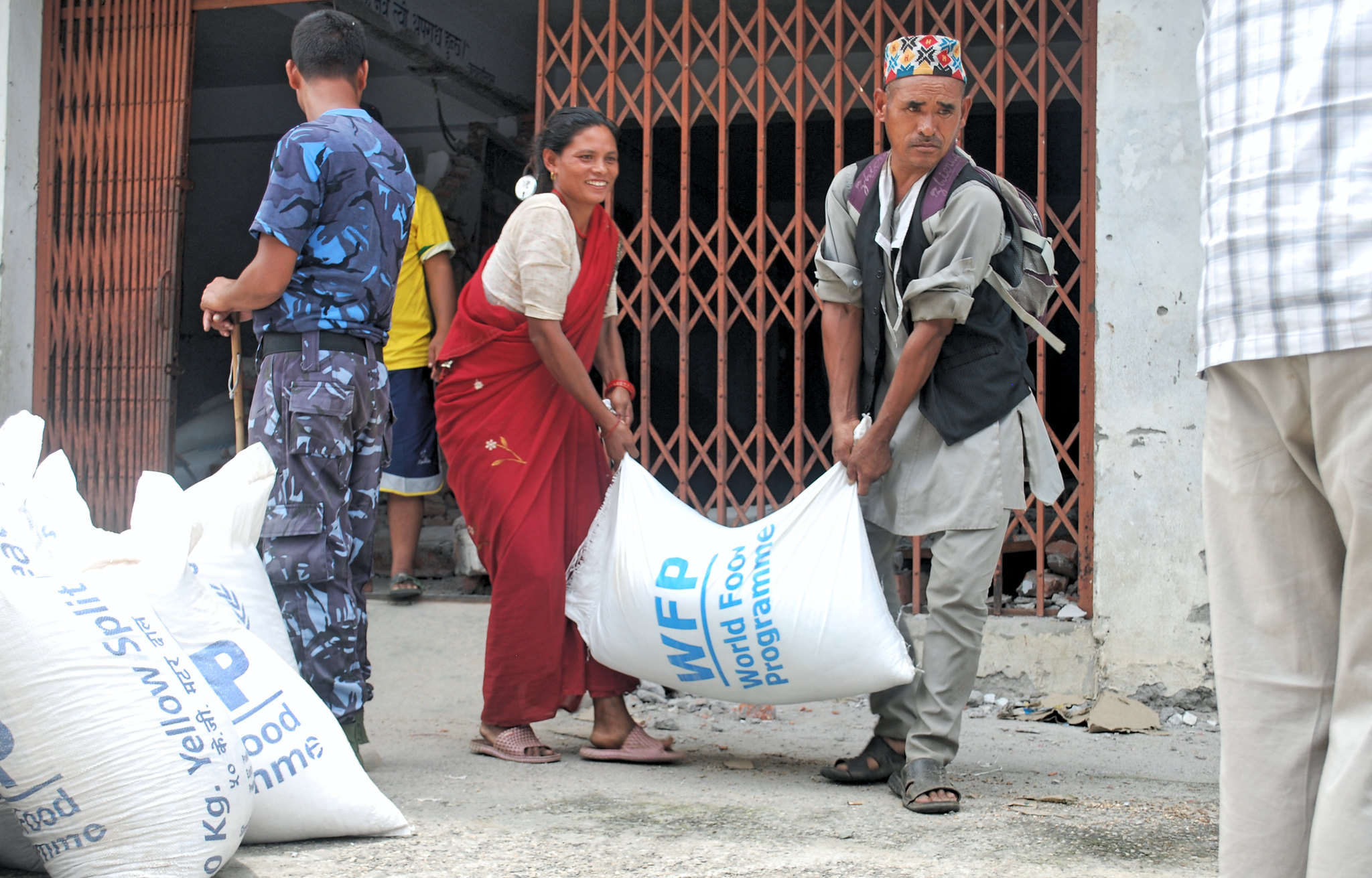 Nepal has spent many years suffering from the political turmoil that has both created and fueled much of the country’s long struggle with hunger and nutrition. Hunger in Nepal can be understood through heartbreaking statistics. Approximately 8% of the population is currently undernourished. In addition, 36% of Nepali children under the age of five suffering from severe malnutrition.
On April 15, 2015, the Gorkha earthquake struck central Nepal. The initial shock was measured at magnitude 7.8 while the aftershock was magnitude 7.3. This event decimated more than 600,000 buildings and killed approximately 9,000 civilians. The quake destroyed Nepal’s food supplies, further exasperating the country’s endeavors against hunger. Many different nations from around the globe offered relief assistance with much of the focus placed on providing medical aid and food resources. Since then, there has been an increased effort to lower the country’s hunger and malnutrition rates by both Nepal’s government and foreign organizations. These are five facts about hunger in Nepal and what has been done to address it since the Gorkha Earthquake.
5 Facts About Natural Disasters and Hunger in Nepal
- Nepal sits in the Himalayas, a high-risk earthquake zone. Because of this, the country is highly susceptible to natural disasters. Frequent floods, storms, landslides and other events destroy farmlands and threaten the safety of the people. In July of 2019, monsoon season floods and landslides killed 64 people while over 3,000 were displaced from their homes.
- The destruction of farmland due to natural disasters leads to heightened prices for the surviving crops. Food transportation in Nepal is also expensive due to the country’s mountainous terrain; the crop prices are greatly raised in rural zones where it is difficult for vehicles to maneuver safely. Around 25% of Nepal’s population live on less than $0.50 a day, making it impossible for them to afford adequate nutrition amid the price hikes.
- Approximately 70% of Nepal’s population works in agriculture. Despite the vastness of the sector, farmers lack access to new seeds and technologies. Because of this, rural economies have succumbed to declining production rates and urban migration. Subsequently, the country struggles to produce enough food to sustain a healthy lifestyle for the majority of residents.
- In 2015, Nepal ratified a new constitution that made it into a federal democratic republic. By ending the 25-year-long political turmoil, Nepal’s government was able to dedicate itself to addressing the country’s essential issues. In 2018, this new government passed the Right to Food Act; this act proclaims that food is a fundamental right for every citizen and aims to get rid of malnutrition and hunger in Nepal.
- Nepal joined other United Nations member states in striving to achieve 17 Sustainable Development Goals (SDGs) by 2030. SDG 2 tackles the issue of hunger, nutrition and agriculture. In order to properly address SDG 2, Nepal’s National Planning Commission determined that it would have to focus on addressing the country’s underlying issues with migration, energy, resources and climate change. The Commission has initiated the Multi-Sector Nutrition Plan (MSNP-II). The focus of MSNP-II is to provide nutrition education, improve health and population management and implement sustainable agriculture practices.
There is still a lot of work to do, but hunger in Nepal continues to decline due to the efforts of those who care. While there are still many who go without, there are also many who can now properly eat and feed their families. With careful planning, Nepal will not only be able to provide for its people but change the course of its agricultural plans to protect against the risks of future natural disasters.
– Nicolette Schneiderman
Photo: Flickr
