Poverty in Xinjiang Province, China
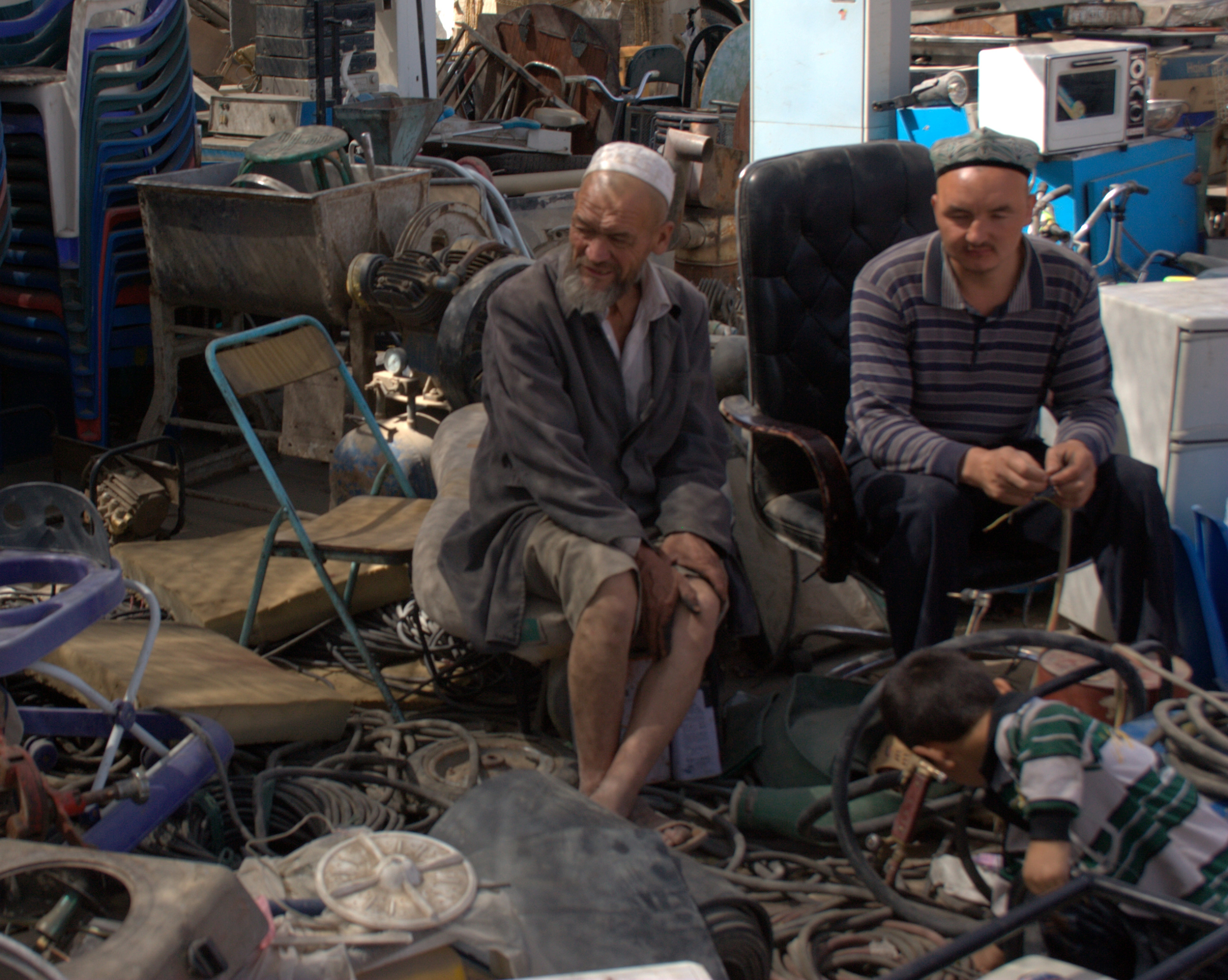 Xinjiang is a remote autonomous region in northwest China. While Xinjiang had periods of independence, the province became part of communist China in 1949. There are 40 different ethnic groups in Xinjiang, but the Uighurs, who are the traditional inhabitants of the area, and the Hans Chinese compose the ethnic majority of the region. While the economic disparity between the Hans and Uighurs gave rise to a certain amount of ethnic tension, the Chinese government’s recent treatment of the Uighurs in Xinjiang led to many human rights violations and poverty in Xinjiang.
Poverty in China’s Xinjiang Province
The historic racial tension between the Uighurs and Hans seems to be the root cause of poverty in Xinjiang. The Uighurs are a Turkic-speaking Sunni Muslim minority in China. In general, the Hans Chinese and the Uighurs disagree on who has the historic claim to Xinjiang. Since 1949, and centuries before, the Uighurs resisted the Chinese control over Xinjiang. After the collapse of the Soviet Union in 1991, there was a surge of support for the Uighur separatist groups within Xinjiang. The Chinese government feared that this Uighur support for separatism might lead to the region declaring itself as a separate state called the East Turkestan. Due to this fear, the Chinese government started to characterize the Muslim traditions, practices and activities of the Uighurs as a national security threat.
The Chinese government’s hostile stance against the Uighurs had a wide-reaching effect throughout Chinese society. After years of the Chinese government’s repression of Uighurs’ religious practices and culture, it has presented the Uighurs as terrorist sympathizers to the general Chinese public. This perception of the Uighurs is a further cause of poverty in Xinjiang. According to The Guardian’s reporter Gene A. Bunin, it is common for businesses to deny service to a Uighur person. Due to the Chinese government’s crackdown on the Uighurs, many Uighurs are losing their rights, livelihoods and potentially their lives. Bunin reported that Uighur restaurants in inner-China are the only ones on their street that Chinese flags and posters about the determined struggle against terrorism cover.
China’s Strike Hard Campaign
In 2014, the Chinese government launched the Strike Hard campaign, which aimed to quell these Uighur separatist sentiments. While the government presented this campaign as a campaign to eradicate terrorism within China, the Strike Hard campaign justified the establishment of political reeducation camps throughout Xinjiang. An estimated 800,000 to 2 million detainees are Uighurs and other Muslims. Reports suggest that Chinese authorities arrested these detainees for trivial reasons such as traveling to a Muslim country, attending services at mosques and sending texts containing Quranic verses. While official reports about the detention camps are scarce, some have made allegations against the Chinese government for torture, sexual abuse and mistreatment of the detainees.
The Xinjiang Economy
While Xinjiang’s economy largely depends on agriculture, there is a recent push to develop the region’s mineral resource harvesting and heavy industries. The recent growth in China’s energy needs further increased the importance of the region to the Chinese government. Some estimations state that Xinjiang has 38 percent of coal reserves, 30 percent of crude oil output and 30 percent of natural gas output in China. During China’s economic boom in the 1990s, the Chinese government invested heavily in Xinjiang’s industrial and energy projects. This, however, meant the mass migration of the Hans Chinese into Xinjiang. The Chinese government stated that this mass migration of the Hans to Xinjiang happens in the name of national unity and inter-ethnic mingling. However, many Uighurs protested that the Hans Chinese were taking their jobs, making it difficult for the Uighurs to support themselves.
In 2018, the Chinese government launched a three-year plan to eradicate poverty in Xinjiang. While people do not know the exact amount of money the Chinese government will spend on its poverty relief program, the $960 million the Chinese government spent in 2017 gives hope to many people in Xinjiang. In addition, many think that the forced detention of the Uighurs, which caused poverty in Xinjiang, is the result of the Chinese government’s desire to secure Xinjiang in its Belt and Road Initiative. Since Xinjiang will play a big part in the project, many think that the Chinese government is trying to eradicate any possibility of separatist activity in Xinjiang.
Poverty in Xinjiang presents a bleak picture. More specifically, poverty in Xinjiang is the story of the Uighurs. The picture of Uighurs forcefully detained against their will is reminiscent of the Orwellian dystopia that many are familiar with. While the Chinese government’s heavy investment in Xinjiang might have improved the economic conditions in the region, many are still doubtful that this improved economy is benefiting the already marginalized Uighurs. The international community still looks to China, hoping that China will improve its human rights abuses in Xinjiang.
– YongJin Yi
Photo: Flickr
