Telemedicine In Bangladesh: The Way Forward
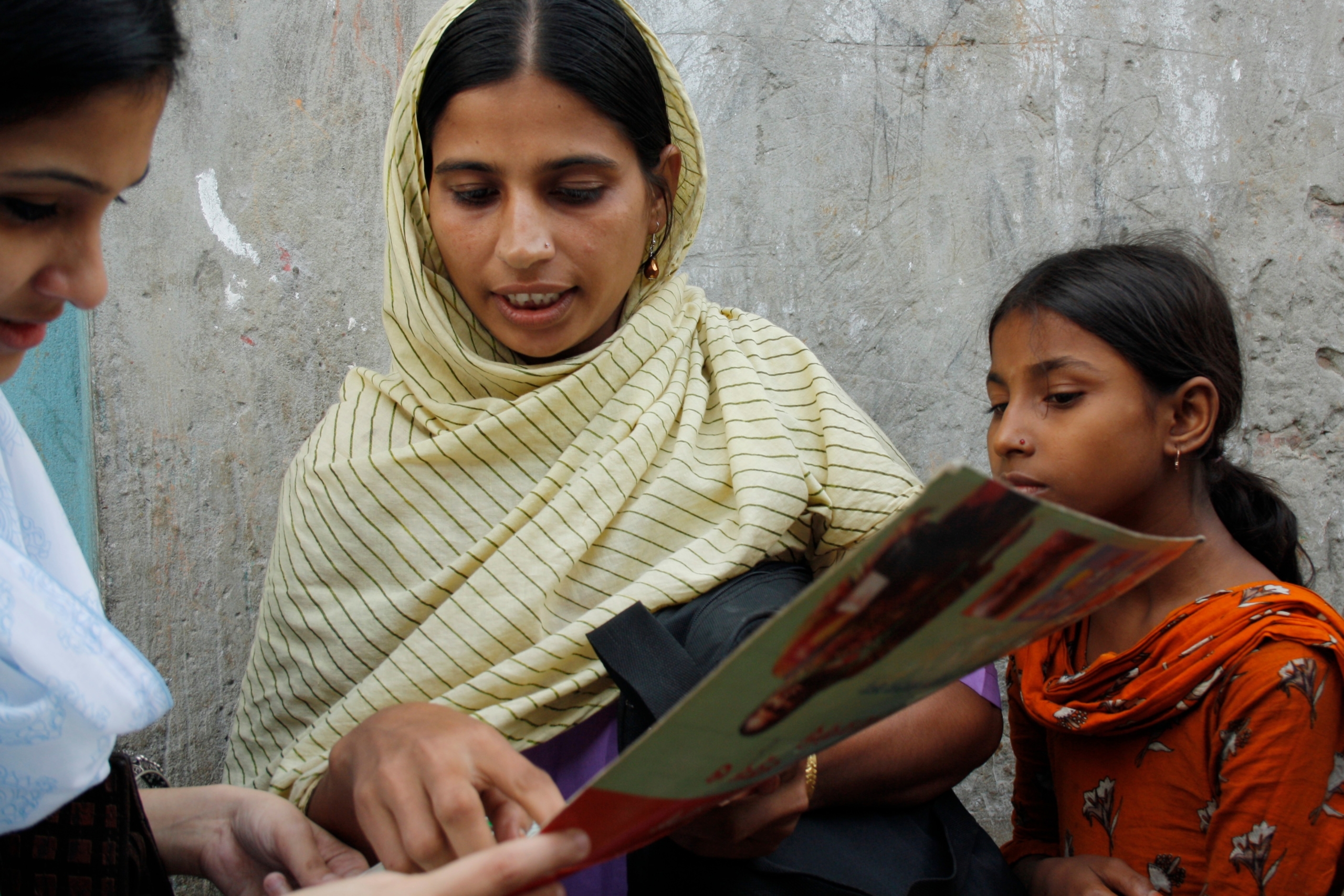 Bangladesh, a South Asian country known for its river deltas and coastal regions, has faced rapid urbanization and environmental degradation due to large-scale flooding across the country. Increasing population density and environmental erosion have made many Bangladeshis the subjects of devastating poverty. In 2018, The World Bank reported that, while the situation in Bangladesh has drastically improved since the 1990s, 22 million people still fall below the poverty line. For many, this means their health is in jeopardy, health care education suffers compromise and access to medical services is nearly impossible.
Today, there is still a stigma surrounding the need for health care in certain rural regions of Bangladesh. One common saying is “rog pushai rakha.” In Bengali, the phrase translates to “stockpiling their diseases.” This refers to the lack of importance Bangladeshis have placed on their health care. In some cases, portrayals still show medicine as inaccessible and unnecessary. This mindset can spell trouble for those living in rural Bangladesh where medicine was not always widely available.
However, the emergence of new medical communication technology, known as telemedicine, is changing the outlook for health care in Bangladesh.
What Telemedicine is and How it Works
Telemedicine, sometimes called telehealth, is “a direct line — whether it’s a phone call, video chat or text message — to a physician or care provider via telecommunication.” It is a rapidly growing technology in the health care field around the world as it ensures easier access to those who may not otherwise receive medical care.
While the technology initially focused on elderly patients and those with disabilities, telemedicine is now helping people in countries with critical health care gaps caused by geography, limited numbers of physicians and financial restraints.
Telemedicine in Bangladesh
In Bangladesh, access to health care largely concentrates in urban areas. This means there is a large gap in health care between rural and urban areas. Seventy percent of Bangladeshis live in rural areas, according to the World Health Organization.
Telemedicine in Bangladesh is a recent advancement. In 1999, it first entered rural regions of Bangladesh that did not have easy access to medical care. While the initial care lacked critical technology infrastructure, the recent expansion of bandwidths and networks into rural areas has made telemedicine more accessible for Bangladeshis.
Moreover, the Bangladeshi government has taken steps to facilitate health care needs by establishing new telemedicine programs. In 2001, the government established a cooperative known as the Bangladesh Telemedicine Association to promote telemedicine organizations. In 2003, the Sustainable Development Network Program emerged to promote cooperation between different providers.
A boat delivers laptops, medical tools and prescription printing devices each week to rural areas in Bangladesh. Individuals in need of care can travel to temporary medical centers where they receive access to physician care through the internet. These checkups are similar to checkups that established medical centers offer where patients can describe their condition, ask questions and obtain prescription drugs.
Telemedicine in Bangladesh is beneficial for more than sickness. This new technology also allows individuals to ask questions concerning their personal development, their child’s development and their nutritional needs. For many, this is a life-changing experience that not only helps with illness but also expands the general knowledge and understanding of people who did not previously have access to such education.
Nonprofits Helping the Cause
The introduction of telemedicine in Bangladesh would not be possible without local cooperation. One non-governmental organization (NGO) helping the cause is Friendship Bangladesh. Friendship Bangladesh, an NGO started in 1994, emerged to “help poor people in remote and unaddressed communities in Bangladesh.” Its aid includes a variety of programs, including those focused on education, economic development, disaster management, citizenship and cultural preservation. The organization’s special emphasis on health care has led to the emergence of telehealth solutions.
The development of mHealth, an app that can diagnose up to 32 common illnesses, and SATMED, a satellite service that allows local NGOs to share patient information using the internet, are innovative solutions to the health care problems in Bangladesh. These programs, developed by Friendship Bangladesh, have dramatically increased access and improved the efficiency of health care.
In 2017, Friendship Bangladesh provided a total of 4.2 million people with access to Friendship’s health care, including 48,000 who garnered access to the mHealth app. Friendship also employed three floating hospitals with access to satellite communication and conducted 1,392 nutrition demonstrations to help educate people on nutritional needs.
In 2020, Friendship aims to increase the number of satellite clinic days, strengthen the nutritional demonstration sessions and maintain the current floating hospitals.
The Future of Medicine in Bangladesh
Most recently, in 2018, a new telemedicine technology entered Bangladesh. Teledaktar (TD) is the newest virtual medical service that is helping expand access to medical care, according to NPR. By creating makeshift medical centers in rural regions with little access to health care, TD is further closing the gap between doctors and patients in the most rural areas of the country.
Despite the challenges in Bangladesh, access to adequate health care is possible. The inclusion of telemedicine into common health care practices is one development in improving health care. An increase in trained physicians, along with an increase in rural health facilities, are among the recent successes to Bangladeshi health care. Moreover, the government initiation of a stakeholder dialogue with the U.N. Human Resource for Health (HRH) has created more effective dialogues that advocate for the expansion of health care across the country. With new programs, new partners and new technologies, the future of medicine in Bangladesh is hopeful.
– Aly Hill
Photo: Flickr
