• Link to X
  • Link to Facebook
  • Link to Instagram
  • Link to TikTok
  • Link to Youtube
  • About
    • About Us
      • President
      • Board of Directors
      • Board of Advisors
      • Financials
      • Our Methodology
      • Success Tracker
      • Contact
  • Act Now
    • 30 Ways to Help
      • Email Congress
      • Call Congress
      • Volunteer
      • Courses & Certificates
      • Be a Donor
    • Internships
      • In-Office Internships
      • Remote Internships
    • Legislation
      • Politics 101
  • The Blog
  • The Podcast
  • Magazine
  • Donate
  • Click to open the search input field Click to open the search input field Search
  • Menu Menu
Blog - Latest News
Water

Improving Water Access in Namibia
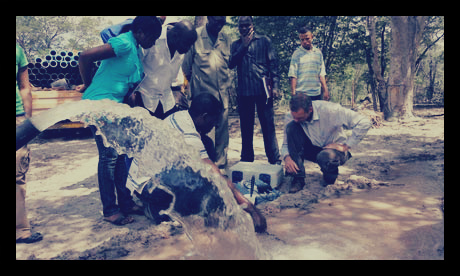
namibia
According to a recent Namibia Population and Housing Census Basic report, approximately 80 percent of all Namibian households have access to clean drinking water. However, a great disparity is seen when urban and rural areas of Namibia are separated. Access to clean drinking water in urban areas rises to about 98 percent whereas the percentage of households with such water access drops to about 59 percent in rural areas.

The government of Namibia is now working on bridging this disparity, spending 2.6 billion Namibian dollars, which is approximately 283 million USD, to improve rural water access and sanitation. This will be done by providing households in rural areas access to toilet facilities (like flush toilets), as well as building a second desalination plant along the coast. A desalination plant removes the salt from seawater making it a useable water source.

As of now, approximately 16 percent of rural households utilize unsafe water from local water supplies, such as streams and rivers, while another 13 percent utilize unsafe water from wells. Lowering or eliminating these percentages is the goal and primary subject of the $2.6 billion Namibian investment into improving rural sanitation and water supplies. Through improving access to safe water, improvements in health and the decrease in the spread of disease will also occur. Eliminating these conditions will lead to major improvements in health, even helping combat the prominence of diseases such as diarrhea and cholera.

– Angela Hooks

Source: AllAfrica
Photo: Guardian

April 7, 2013
Share this entry
  • Share on Facebook
  • Share on X
  • Share on WhatsApp
  • Share on Pinterest
  • Share on LinkedIn
  • Share on Tumblr
  • Share on Vk
  • Share on Reddit
  • Share by Mail
https://borgenproject.org/wp-content/uploads/borgen-project-logo.svg 0 0 Borgen Project https://borgenproject.org/wp-content/uploads/borgen-project-logo.svg Borgen Project2013-04-07 09:04:102020-05-12 06:49:13Improving Water Access in Namibia

Get Smarter

  • Global Poverty 101
  • Global Poverty… The Good News
  • Global Poverty & U.S. Jobs
  • Global Poverty and National Security
  • Innovative Solutions to Poverty
  • Global Poverty & Aid FAQ’s
Search Search

Take Action

  • Call Congress
  • Email Congress
  • Donate
  • 30 Ways to Help
  • Volunteer Ops
  • Internships
  • Courses & Certificates
  • The Podcast
Borgen Project

“The Borgen Project is an incredible nonprofit organization that is addressing poverty and hunger and working towards ending them.”

-The Huffington Post

Inside The Borgen Project

  • Contact
  • About
  • Financials
  • President
  • Board of Directors
  • Board of Advisors

International Links

  • UK Email Parliament
  • UK Donate
  • Canada Email Parliament

Get Smarter

  • Global Poverty 101
  • Global Poverty… The Good News
  • Global Poverty & U.S. Jobs
  • Global Poverty and National Security
  • Innovative Solutions to Poverty
  • Global Poverty & Aid FAQ’s

Ways to Help

  • Call Congress
  • Email Congress
  • Donate
  • 30 Ways to Help
  • Volunteer Ops
  • Internships
  • Courses & Certificates
  • The Podcast
Link to: World Poverty: Three Big Questions and Three Simple Answers Link to: World Poverty: Three Big Questions and Three Simple Answers World Poverty: Three Big Questions and Three Simple Answers Link to: Syrian Children Fed and Educated in Refugee Camps Link to: Syrian Children Fed and Educated in Refugee Camps Syrian Children Fed and Educated in Refugee Camps
Scroll to top Scroll to top Scroll to top