• Link to X
  • Link to Facebook
  • Link to Instagram
  • Link to TikTok
  • Link to Youtube
  • About
    • About Us
      • President
      • Board of Directors
      • Board of Advisors
      • Financials
      • Our Methodology
      • Success Tracker
      • Contact
  • Act Now
    • 30 Ways to Help
      • Email Congress
      • Call Congress
      • Volunteer
      • Courses & Certificates
      • Be a Donor
    • Internships
      • In-Office Internships
      • Remote Internships
    • Legislation
      • Politics 101
  • The Blog
  • The Podcast
  • Magazine
  • Donate
  • Click to open the search input field Click to open the search input field Search
  • Menu Menu
Blog - Latest News
Developing Countries, Development, Global Poverty, Health

Examining the Health Care System in Zambia
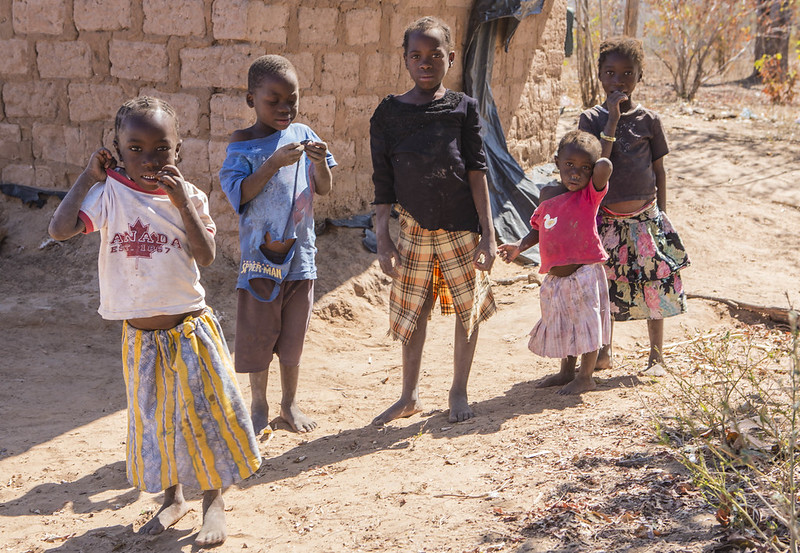
Health care system in Zambia
Zambia’s healthcare system is decentralized, therefore it is broken up into three different levels: hospitals, health centers and health posts. Hospitals are separated into primary (district), secondary (provincial) and tertiary (central). It offers universal healthcare for its citizens, yet the health care system in Zambia remains one of the most inadequate in the world.

Universal Health Care

Zambia is working on implementing universal health care coverage for its citizens to diminish the burden of accessing life-saving treatments. At the moment, Zambia’s government-run health facilities offer basic healthcare packages at the primary (district)level free-of-charge. Their services are under the National Health Care Package (NHCP). With this being said, due to “capacity constraints” and limited funding, the services sometimes do not reach those who need it most. Luckily, the Ministry of Health (MoH) of Zambia and Japan International Cooperation Agency (JICA) have come together in order to help restore the health care system in Zambia. They are investigating ways to effectively set priorities so that processes in health facilities can run faster and smoother.

Private vs Public Healthcare

Even though there are a good number of public and private health facilities, a lot of the public hospitals are chronically underfunded. Another major problem in the public healthcare sector is that there is inequality in the order that doctors meet with patients. As mentioned above, the public sector is divided into three divisions, level one hospitals are in charge of provision of services and level two and three hospitals are referral or specialized hospitals.

District Health Offices (DHOs) are staffed by community health assistants (CHAs). Over the course of their one-year training, they are prepared to improve the management of malaria, child and maternal health and common preventable health conditions. DHOs spend 80 percent of their time on disease prevention and health promotion and another 20 percent “at the health post.”

There are good private hospitals in Zambia’s big cities, for example, Lusaka. They offer their services to everyone with the majority of people that participate in the private sector being foreigners or affluent Zambians. Over 50 percent of formal health services in rural Zambia are private clinics or hospitals. They also account for 30 percent of all health care in the nation. Even though they offer higher quality services at a faster rate, when a serious medical emergency presents itself, the majority of the time people will be evacuated to South Africa since they are able to provide better medical services.

Pharmacies

Pharmacies are not always stocked with the medications or drugs that most people need when they are sick. Even though they are available in most major cities and towns in Zambia, they do not operate on a 24/7 schedule. Their typical work week is Monday to Saturday. When people are in need of a pharmacy, it is recommended to go to one that is attached to a hospital or a clinic for immediate assistance.

Diseases

Zambia’s top five killer diseases are HIV/AIDS, neonatal disorders, lower respiratory infections, tuberculosis and diarrheal diseases. Zambia also sits in the malaria belt, so it is recommended to have a mosquito net to prevent mosquito bites. Other diseases like cholera and dysentery are common during rainy seasons. The Centers for Disease Control and Prevention (CDC) has been helping Zambia since 2000 after establishing an office in the nation. The CDC “funds and assists international and local organizations” like the Ministry of Health to “provide health services at the national and community level.” In addition, the CDC has performed more than 173,000 medical male circumcisions and has prevented 98 percent of HIV exposed infants from getting HIV in 2018.

– Isabella Gonzalez
Photo: Flickr

November 30, 2019
Share this entry
  • Share on Facebook
  • Share on X
  • Share on WhatsApp
  • Share on Pinterest
  • Share on LinkedIn
  • Share on Tumblr
  • Share on Vk
  • Share on Reddit
  • Share by Mail
https://borgenproject.org/wp-content/uploads/borgen-project-logo.svg 0 0 Lynsey Alexander https://borgenproject.org/wp-content/uploads/borgen-project-logo.svg Lynsey Alexander2019-11-30 07:30:362024-05-29 23:13:26Examining the Health Care System in Zambia

Get Smarter

  • Global Poverty 101
  • Global Poverty… The Good News
  • Global Poverty & U.S. Jobs
  • Global Poverty and National Security
  • Innovative Solutions to Poverty
  • Global Poverty & Aid FAQ’s
Search Search

Take Action

  • Call Congress
  • Email Congress
  • Donate
  • 30 Ways to Help
  • Volunteer Ops
  • Internships
  • Courses & Certificates
  • The Podcast
Borgen Project

“The Borgen Project is an incredible nonprofit organization that is addressing poverty and hunger and working towards ending them.”

-The Huffington Post

Inside The Borgen Project

  • Contact
  • About
  • Financials
  • President
  • Board of Directors
  • Board of Advisors

International Links

  • UK Email Parliament
  • UK Donate
  • Canada Email Parliament

Get Smarter

  • Global Poverty 101
  • Global Poverty… The Good News
  • Global Poverty & U.S. Jobs
  • Global Poverty and National Security
  • Innovative Solutions to Poverty
  • Global Poverty & Aid FAQ’s

Ways to Help

  • Call Congress
  • Email Congress
  • Donate
  • 30 Ways to Help
  • Volunteer Ops
  • Internships
  • Courses & Certificates
  • The Podcast
Link to: Female Weaving Co-op in Mexico Promotes Equality Link to: Female Weaving Co-op in Mexico Promotes Equality Female Weaving Co-op in Mexico Promotes Equality Link to: VisionSpring Supports Women While Spreading Sight Link to: VisionSpring Supports Women While Spreading Sight VisionSpring Supports Women While Spreading Sight
Scroll to top Scroll to top Scroll to top