How Poverty Enforces Patriarchy Worldwide
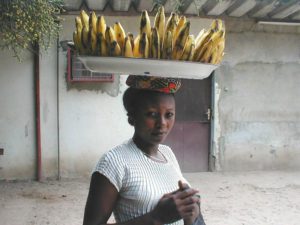
While poverty and patriarchy may seem like separate issues, the two connect deeply. As long as poverty exists, women’s rights and livelihoods will suffer. Likewise, women’s oppression leads to their inability to contribute to the economy and prevents a family’s escape from cycles of poverty. Here are some examples from around the world of poverty and patriarchy reinforcing each other, and some ways humanitarian aid can improve these situations.
Microcredit in Bangladesh Has Left Millions of Women At High Risk For Domestic Violence
From the 1980s to the mid-2000s, people thought that micro-loans would be the future of international development. In Bangladesh, most of these loans went to women on the belief that women could handle money more responsibly than their male counterparts. They received a small amount of money to invest in materials to start a business and earn an independent livelihood in order to bring their families financial stability. Unfortunately, when these women were unsuccessful at lifting their families out of poverty and their families plunged into greater debt as a result of the loans, they often suffered spousal abuse. For other women, as soon as they received the money, the men and their families took it and used it, leaving them to pay off the loans by themselves. As a whole, micro-credit has not had the intended impact on the people of Bangladesh that the international community once hoped for, and rates of violence against women have climbed, increasing the correlation between poverty and patriarchy
Solution: Investing in women’s education will provide them with the knowledge they need to become financially independent and ensure greater legal protection for victims of domestic violence could greatly combat this issue.
Poverty As a Weapon Against Women in the Democratic Republic of the Congo
Sixty-one percent of women living in the Democratic Republic of the Congo live in poverty, compared to only fifty-one percent of men. This is because people have systematically excluded women from peace-building efforts in the country. Because there are no women’s voices at the decision-making table, countries set policies that prioritize men, often at women’s expense. Disturbingly, women’s rights activists in the country are often a target for violence. Many think that those who advocate for women-centered poverty-relief efforts are distracting from larger issues within the country.
Solution: Studies that researchers conducted in the Democratic Republic of the Congo demonstrate that in areas with high levels of poverty, there are high levels of violence against women. Providing food security, as well as funding institutions and organizations to empower women, are important steps in relieving both poverty and oppression in the DRC.
Time Poverty Makes it Nearly Impossible for Indian Women to Contribute to the Economy
In India, the average man works seven hours per day. Although women usually work for nine hours a day, the vast majority of their labor is unpaid housework and childminding. This means that they have little time to earn any outside wages, and therefore, remain financially dependent on the men in their families. The power dynamic that this situation creates is extremely dangerous. Women lose any agency they may have because they depend on their fathers, husbands or brothers for everything. This means that they have no power to go against their male relative’s wills. It also hurts the Indian economy, as women have little ability to contribute to it.
Solution: In rural India, women spend upwards of four hours each day gathering fuel and cleaning utensils to cook with. Providing them with solar or electric cookers could save them three hours of unpaid labor, giving them more time to do what they want to do or contribute to the economy as an untapped workforce.
These examples display just how poverty and patriarchy intertwine and push women and their families into poverty. If women could gain an education, receive food security or use alternative cooking equipment to limit labor, they might be able to improve their situation and lift themselves out of poverty.
– Gillian Buckley
Photo: Wikimedia
