Abuse of Guest Workers in Saudi Arabia
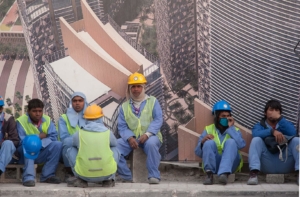
The exploitation of guest workers in Saudi Arabia has been a common occurrence for many years. Eleven million guest workers have come to the Middle Eastern nation in order to find an opportunity to support their families back home. What some meet with is abuse and hardship from their employers for a variety of reasons. These workers are not citizens and they have a limited number of rights to protect them.
Discovery of Oil and the Demand for Workers
When people discovered oil in Saudi Arabia in the 1930s, it was still a very young country having only established in 1932. The country was one of the most underdeveloped and poorest in the world and did not have the means to extract this oil.
To profit from its discovery, the Saudi government brought in guest workers from the West after World War II and they were mostly professionals in the oil industry. After its success, it eventually required workers from neighboring Middle Eastern countries such as Egypt, Yemen and Palestine as well, especially as the gas crisis in 1973 raised the demand for oil.
As the economy of Saudi Arabia grew, there came a need for more workers in other industries of the country besides oil. As a result, guest workers from other Asian nations such as Pakistan, India, the Philippines, Bangladesh, Indonesia and Sri Lanka went to Saudi Arabia for work.
Guest Worker Abuses
Human Rights Watch, an international organization, describes the conditions of the guest workers in Saudi Arabia as being similar to slavery. These workers are beaten, exploited, overworked, underpaid and sometimes not even paid at all. The abuse of these workers is deep-seated in race, gender and religious discriminations.
Over 900,000 Filipinos are working in Saudi Arabia and many of them work in the service industries including hotels. There was an instance where 15 Filipino hotel guest workers had to work more than their scheduled 40 hours a week. When they did not receive overtime pay their employers owed them, they complained to the hotel manager who told them to be quiet or they would have them deported.
Guest workers do not have the convenience of collective bargains or unions to protect them from this type of abuse. Saudi employers can dismiss their guest workers at any time regardless of what employment contracts. An employer dismissed a 26-year-old Bangladesh guest worker named Bachu after only seven months because they did not need him anymore. The unexpected termination forced the now jobless worker to attempt to obtain a job illegally, which resulted in his arrest and deportation back to Bangladesh.
There are very few laws that protect guest workers from abuses in regard to the law. There are instances of workers receiving false accusations of crimes, harsh penalties, unfair trials and random arrests. One such incident occurred in 2005 with the arrest and execution of a Sri Lankan maid named Rizana Nafeek. The 24-year-old housemaid suffered the accusation of murdering the baby that she was in charge of taking care of, but she claimed it died from choking. She did not have a translator during her interrogation and the authorities beat her into signing a confession. She was only one of the 100,000 Sri Lankan maids that are guest workers in Saudi Arabia. Over 100 guest workers are sitting on death row in the country.
Changes for the Workers
Recently, the Saudi Arabian government has taken steps towards protecting its guest workers through a series of legislations. In 2015, the government voted on these laws and will impose hefty fines on businesses that it finds guilty of abuses such as not paying employees on time, violating health and safety and employing children under 15.
The U.N. has adopted resolutions that would protect guest workers in not only Saudi Arabia but around the world. The International Convention on the Protection of the Rights of All Migrant Workers and Members of their Families emerged to protect the human rights of the 164 million guest workers throughout the world.
Saudi Arabia is a young and growing nation. The use of guest workers has helped its economy expand and thrive as a nation. The treatment of these workers has brought much negative attention to the country, though. It is taking steps, however, to ensure that the abuse and exploitation of these workers come to an end.
– Sam Bostwick
Photo: Wikipedia Commons
