10 Facts About Hunger in Algeria
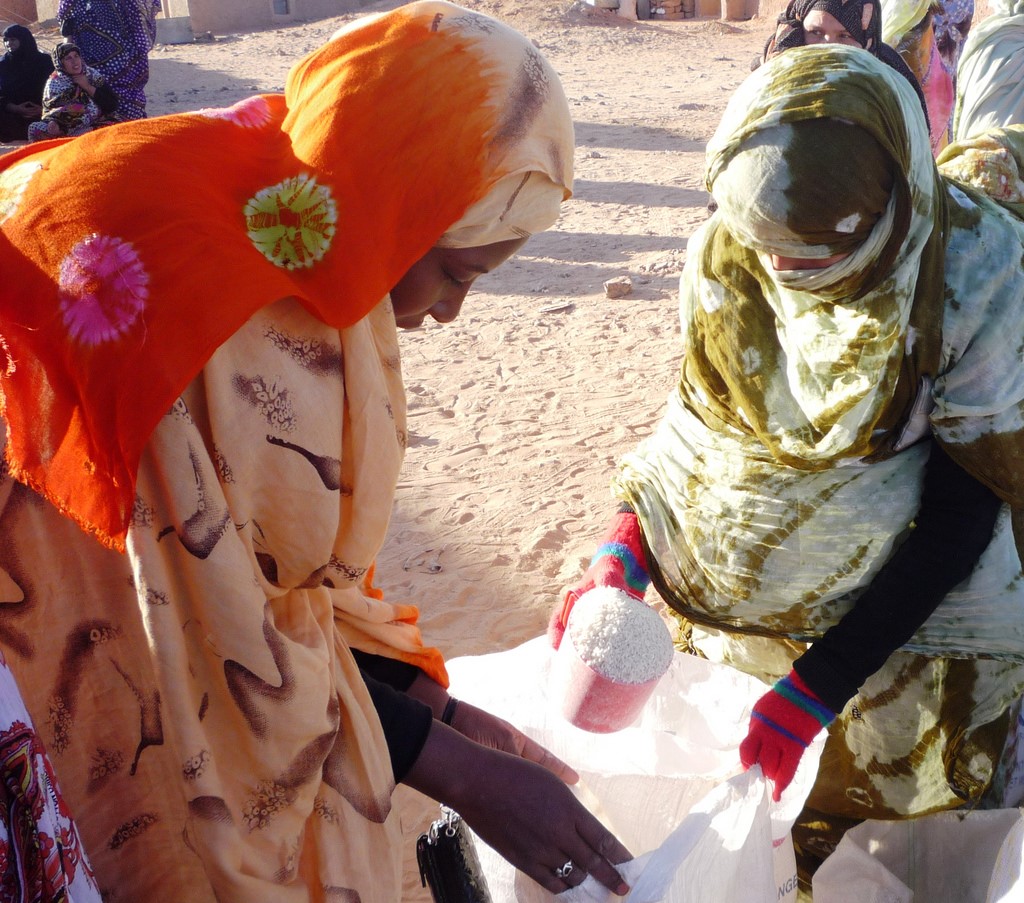 Located in Western Sahara, Algeria is one of the largest countries in the world. Home to around 45 million people in 2022, the French-speaking nation continues to grow in population. The Algerian economy centers around oil exports and that oil has allowed the Algerian economy to become one of the biggest in Africa. Despite this, many Algerians struggle to put food on the table and the main problem lies with the poorest people in the country. The unemployed and Sahrawi refugees struggle to maintain a healthy diet due to a lack of affordable and nutritious food. Here are 10 facts about hunger in Algeria.
10 Facts About Hunger in Algeria
- Only 17% of Algerian land is used for agriculture. The Sahara desert covers a large amount of Algeria. As a result, Algeria is unable to produce enough food for its people which forces it to import a lot of its food.
- Food products and vegetables made up 16.5% of Algerian imports in 2017. At first glance, 16.5% may not seem like a large number, however, Algerian vegetables and food products make up only 1% of its exports. When a country imports more food than it can produce, prices tend to be higher for its people. This may be the reverse for meat, however. In March 2024, Algeria imported “massive amounts of beef and lamb” before Ramadan, to counter the inflated costs of local meat.
- There are 173,600 Sahrawi refugees in Algeria and almost 90% are food insecure or at risk of food insecurity. The refugees are Western Saharans that the Western Saharan War in 1975 displaced. For almost 45 years, the refugees have been living in harsh desert environments with limited access to economic opportunity.
- Fifty-four percent of Sahrawi women of childbearing age and more than half of children under 5 are anemic. Anemia in pregnant women can cause complications with the fetus and mother. Similarly, anemia in young children can cause serious health problems and hurt their growth.
- The World Food Program provides 134,000 food rations to refugees each month. The WFP also created nutrition centers to fight anemia and stunting in children. It also distributes thousands of school meals to refugee children to keep them in school.
- Algeria ranks 33rd out of 125 countries on the Global Hunger Index. With a score of only 6.8, Algeria boasts a low level of hunger. Over the past few years, Algeria moved up two spots in the rankings.
- Between 2000 and 2019, the prevalence of stunting in children under 5 years old has been reduced by almost 60%, to 9.8%.
- The proportion of undernourished in Algeria, which was 8% in 2001, decreased to 3% by 2021.
- Algeria’s infant mortality rate dropped from 36 (per 1,000) in 2000 to 19 in 2022, thanks to better support for infants and easier access to nutritious foods.
- Between 2000 and 2021, Algeria’s life expectancy grew from 72 to 76. This is three years higher than the rest of North Africa.
These 10 facts about hunger in Algeria illustrate that hunger is a problem that the country may overlook. At first glance, the country may appear to be doing well, however, the most impoverished Algerians suffer greatly from food insecurity. Thankfully, the country is making progress in combating this difficult problem, which means there is hope that Algeria will one day eliminate hunger.
– Gaurav Shetty
Photo: Flickr
Updated: July 12, 2024
