Top 10 Facts About Living Conditions in Tokelau
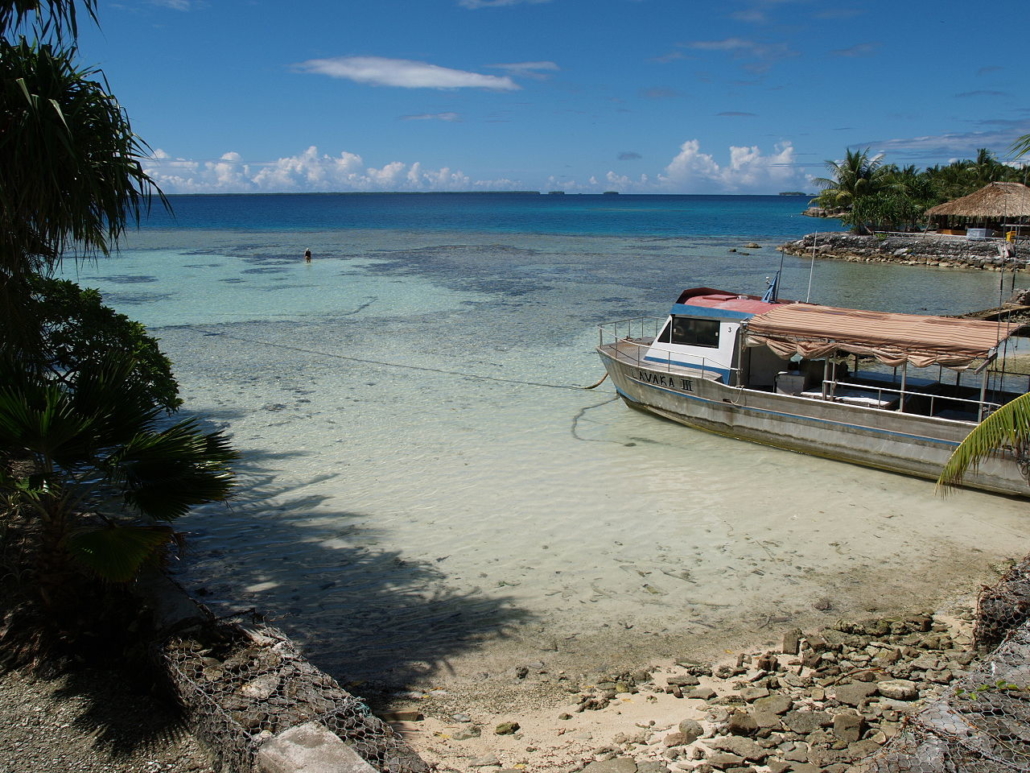
Tokelau, a country between Hawaii and New Zealand, consists of three coral atolls and is home to a population of approximately 1,500 inhabitants. Here are the top 10 facts about living conditions in Tokelau.
Top 10 Facts About Living Conditions in Tokelau
- Tokelau’s culture, maintained through civil unification and tradition, emphasizes language, arts, song and dance. There exists a strong sense of social unity in terms of care and protection among Tokelau’s people.
- The coral atolls which make up this Oceanian nation are a mere one to five meters above the sea level. As such, the global rise in seawater levels is a significant threat to the preservation of Tokelauan lands. As a part of the Tokelau Emergency Plan, the country has tasked villages with the construction and upkeep of seawalls to protect from flooding.
- Emigration to New Zealand, where Tokelauans can travel without restriction, has been largely common among the population since 1962. Additional communities of Tokelauans exist in Samoa and Australia.
- Poor soil quality on the atolls largely restricts the expansion of Tokelau’s agricultural economy. Tokelau successfully cultivates only a handful of tropical crops, including bananas and coconut. Since 2011, the Food and Agriculture Organization of the United Nations (FAO) has assisted Tokelau on how to plan efficient land use to improve agriculture practices.
- The main source of animal protein in the atolls comes from fisheries located in the reefs and deep ocean. Additionally, the fisheries account for the majority of Tokelau’s annual income.
- The long-term health of the Tokelauan people has decreased over generations thus prompting the implementation of public health programs. This worsening health is due to an increase in noncommunicable diseases, particularly obesity. Despite this, the life expectancy in Tokelau, 69.1 years, is of the highest among small pacific locations.
- For international and inter-atoll travel, the people of Tokelau are limited to sea travel by the government ship, Mataliki. The ship travels to Tokelau every two weeks unless cases of medical or environmental emergencies disrupt the schedule. In the event that something disrupts the ship’s schedule, travelers must remain at their current locations until transit resumes.
- The 400 students living in Tokelau study in one of three schools, one on each atoll. The schools offer education from early childhood to year 13 with emphasis on Tokelau language, English, math, social sciences and science.
- Tokelau natives depend on solar panels for almost all electrical needs. In 2013, Tokelau became the first nation to go 100 percent solar. A reduced number of diesel generators remain as a contingency plan, though.
- Tokelauans do not currently have an established cell phone network available for use but landline installation is possible among households. Additionally, in 2017, Tokelau introduced a 4G broadband internet network to improve communication efforts. Education, health, commerce and transportation services have also been able to utilize the network for further efficiency.
As a result of Tokelau’s diminutive size and remoteness, the people of Tokelau live in accordingly interdependent communities. Extreme tropical weather and the effects of rising sea levels present challenges to life in the atolls. As a result, Tokelau has implemented plans for sustainability and preventative measures for emergencies to combat these issues. Recent advances in public services facilitate efforts to modernize the nation. As demonstrated by the top 10 facts about living conditions in Tokelau, the country and its people plan only to prosper.
– Bhavya Girotra
Photo: Wikipedia Commons
