Improving Menstrual Hygiene for Refugees
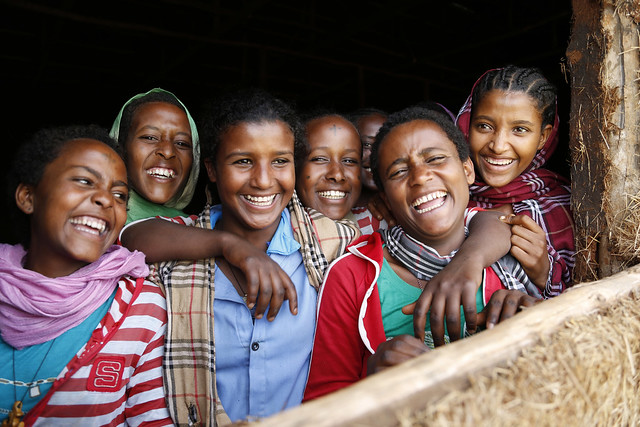 When looking at menstrual hygiene for refugees, imagine for a moment, having a period while fleeing political violence or natural disaster when sanitary products and private sanitation facilities are scarce. In the Syrian refugee crisis alone, there are more than one million girls and women between the ages of 12 and 59 in need of access to menstrual hygiene. This means that 29 percent of the more than four million Syrian refugees are in need of access to menstrual hygiene.
While refugee camps make sure to provide food, shelter and clean water, many personal items are not provided. Too often, menstrual hygiene for refugees such as disposable products and private facilities not given adequate attention. In turn, many women and girls often have to rely on reusing rags or garbage, which can lead to infections. However, there are organizations working to improve access to menstrual hygiene for refugees.
Rwanda
In refugee settlements in Rwanda, more than 10,000 women and girls from Burundi struggle with maintaining menstrual hygiene. Plan International Rwanda is working to improve access to menstrual hygiene for refugees by providing 3,668 women and girls with underwear and sanitary pads. By providing them access to sanitary products, Plan International Rwanda allows girls to go to school, play with other children and feel more confident.
Uganda
The nation of Uganda has been attacking the problem of menstrual hygiene for refugees from multiple angles. The Danish Refugee Council (DRC), for example, has been distributing menstrual hygiene supplies such as reusable pads, buckets, soap, towels and undergarments. In addition, they are building latrines and carrying out community sensitization activities to destigmatize menstruation.
Reusable menstrual hygiene products have proven to be an important option for refugees. Just four reusable pads provided by the DRC can last a refugee a year. Another reusable option that has grown in popularity thanks to the NGO WoMena is the use of menstrual cups. These medical-grade silicone cups can be worn up to 12 hours at a time and are less likely to leak. One cup can also be reused for up to a decade. The organization provides training to teach refugees how to use them. This aids in destigmatizing misconceptions around its use and losing one’s virginity. Of those who decided to try these reusable cups, 81 percent reported satisfaction with the product.
Jordan
In Jordan’s Zaatari Refugee Camp, the U.K.-based non-profit, Loving Humanity has been working to not only provide sanitary products but also job opportunities. Jobs are being created by implementing 12 machines that assemble low-cost sanitary products in 2016. These machines were pioneered in India by Arunachalam Muruganantham after seeing his wife hoarding rags because she could not afford menstrual hygiene supplies. His design creates inexpensive pads by breaking down tree bark cellulose. It is very popular among rural women in India because it costs approximately 30 cents for a 10-pack of pads.
The cost of one machine is $2,000 and a month’s worth of materials is $360. This will produce 30,000 pads. In Zaatari, these machines aim to employ women in the community. This gives them a sense of empowerment and control over their bodies as well as a paycheck.
When it comes to disaster management, it is vital to include menstrual hygiene for refugees. While these methods have helped improve access to menstrual hygiene products, many refugees still have to choose between food and hygiene. Access to these supplies, though, opens a world of opportunities for girls. They can play with other kids and pursue their educations without the anxiety of stigmatization.
– Katharine Hanifen
Photo: Flickr
