A Cure for HIV? It May be Closer Than One Thinks
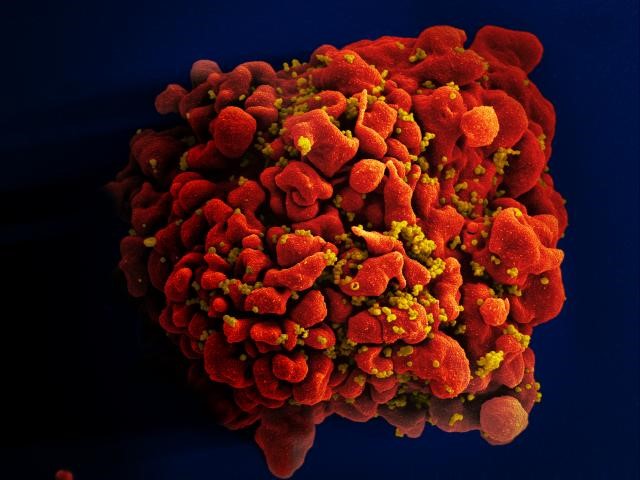
HIV/AIDS affects nearly 37 million individuals around the world every day, with close to 5,000 new infections daily. The virus’ reach extends around the world, affecting individuals in all six habitable continents. However, new research from the University of Nebraska Medical Center indicates that there may now be a cure for HIV. The journal, Nature Communications, published this research on July 2, 2019, and it has major implications; such a cure could bring relief to countless millions of individuals who currently suffer from the virus.
Treatment Development
Using mice as test subjects, researchers utilized a “long-acting, slow-effective release” antiretroviral (referred to as LASER ART) therapeutic strategy in conjunction with gene-editing (done with a tool called CRISPR-Cas9) to remove the HIV DNA from the mice’s cells. The HIV virus replicates by inserting its genome directly into the host cell’s genome. The LASER ART treatment stopped the HIV virus from replicating, while the gene-editing removed the HIV DNA from the infected genomes. Together, the two therapies completely removed HIV in roughly one-third of the mice tested. While that number may seem low, researchers say that there is potential that the treatment could be 100 percent effective on mice within two to three years. These results are a promising step towards a human cure for HIV.
HIV/AIDS Reduction & Potential Roadblocks
HIV affects millions of individuals every day around the world. Over 70 percent of affected individuals reside in Sub-Saharan Africa. Many of these individuals do not have the financial means to purchase HIV/AIDS treatments; given this, it is of the utmost importance to have a cheap, efficient, alternative solution to cure HIV/AIDS.
While the issue of HIV/AIDS is very prevalent in a number of countries, many positive steps have moved towards the reduction of disease prevalence in recent years. Such positive steps have included preventative measures such as educating individuals about HIV transmission as well as on the benefits of using condoms during sexual intercourse. There has also been work done to help increase the availability of health services that can give individuals a proper HIV diagnosis (roughly 50 percent of individuals with HIV do not know that they have the virus). The push for a cure, however, has proved difficult, and while this latest innovation brings great promise, there are some potential roadblocks to implementation. Assuming that humans can use the treatment, researchers must still access whether it will work for those in rural areas where the disease is often most prevalent. Finding an effective treatment is only one part of the problem. There is still a lack of trained individuals and sufficient infrastructure to help administer the treatments currently available and a cure for HIV will not solve that part of the problem.
Potential Impact on Global Poverty
If development goes smoothly, this new treatment has incredible potential to solve one of the biggest problems currently plaguing both the developed and developing world. While the treatment requires a lot of testing and work, researchers have taken an important step towards curing a disease that many previously believed to be incurable. In time, HIV may no longer be a lifelong burden, but rather something that someone can eradicate with two simple injections.
– Kiran Matthias
Photo: Flickr
