The Health System in Malawi
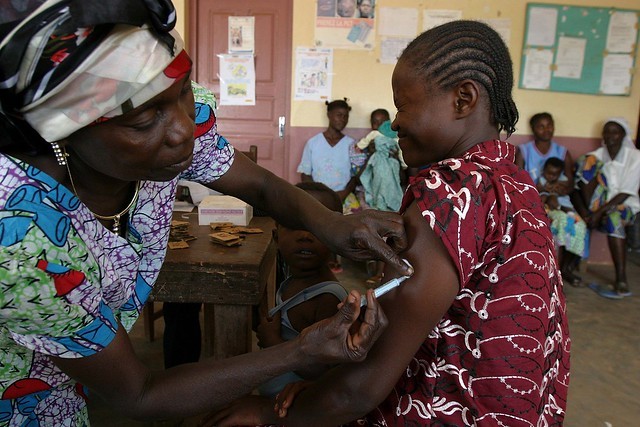
The topic of healthcare has become a worldwide focus in recent years. A push toward government-funded health services has indicated a shift towards the mentality that healthcare is a universal human right. Malawi, one of the smaller countries in southeast Africa, has a low gross domestic product, with 51.5 percent of the population living in poverty. With life expectancy at 64.5 years, the health system in Malawi needs improvement.
The Ouagadougou Declaration
In 2008, the Ouagadougou Declaration on Primary Health Care and Health Systems in Africa was adopted by African Region Member states, which includes Malawi. This declaration focused on nine major issues within healthcare: health governance, service delivery, human resources, health financing, health information systems, new technologies, community ownership and participation, partnerships for development and funding for health research. The Ministry of Health in Malawi is responsible for the implementation and the regulation of these health entities.
Health System in Malawi
Currently, Malawi operates a three-tier health system. The first tier is primary healthcare. This sector is in effect to meet the needs of general medical care, which includes community and rural hospitals and maternity units. The second tier consists of district hospitals. These see patients who receive a referral from their primary care physician to receive specialized services. This includes laboratory work and rehabilitation services. The final tier is tertiary care provided by central hospitals. This tier covers extreme conditions that require highly specialized care such as treatment for specific diseases. The linkage for these services comes through an elaborate referral system that trickles down the health system.
Although the 2008 doctrine worked to lay out different measures to ensure the quality of health service delivery in Malawi, major health concerns still persist. HIV/AIDS continues to be the number one cause of death in Malawi: 21.7 percent of deaths in 2012 were linked to HIV/ AIDS. Acute Respiratory Infections account for 8.6 percent of deaths, while Malaria accounts for 40 percent of hospitalized individuals.
Issues With Funding
A large cause of a lack of quality health services in Malawi comes down to funding. Approximately $93 is spent on each person in Malawi annually, which is around 11.4 percent of the overall GDP. The U.S. spends around $10,000 on healthcare per capita annually.
Due to these issues, the focus for healthcare in Malawi has been working on minimizing the burden of disease, increasing cost effectiveness, providing more widespread access to the poor and implementing proven successful health intervention. Implementation has been laid out through new quality assurance policies, improving standards and accreditation, and improving performance management with the Health Strategic Plan, which was created in 2011. While the government in Malawi works to assure quality health services in Malawi, non-profit organizations are working to help provide those health services. A few of these organizations include Care, which has provided 30.2 million people in Malawi with sexual and reproductive health resources, and the Fistula Foundation, which has given over $300,000 of funding for physician training.
Work being done by the Malawian government and non-profit organizations around the world is helping to improve the health system in Malawi.
– Claire Bryan
Photo: Flickr
